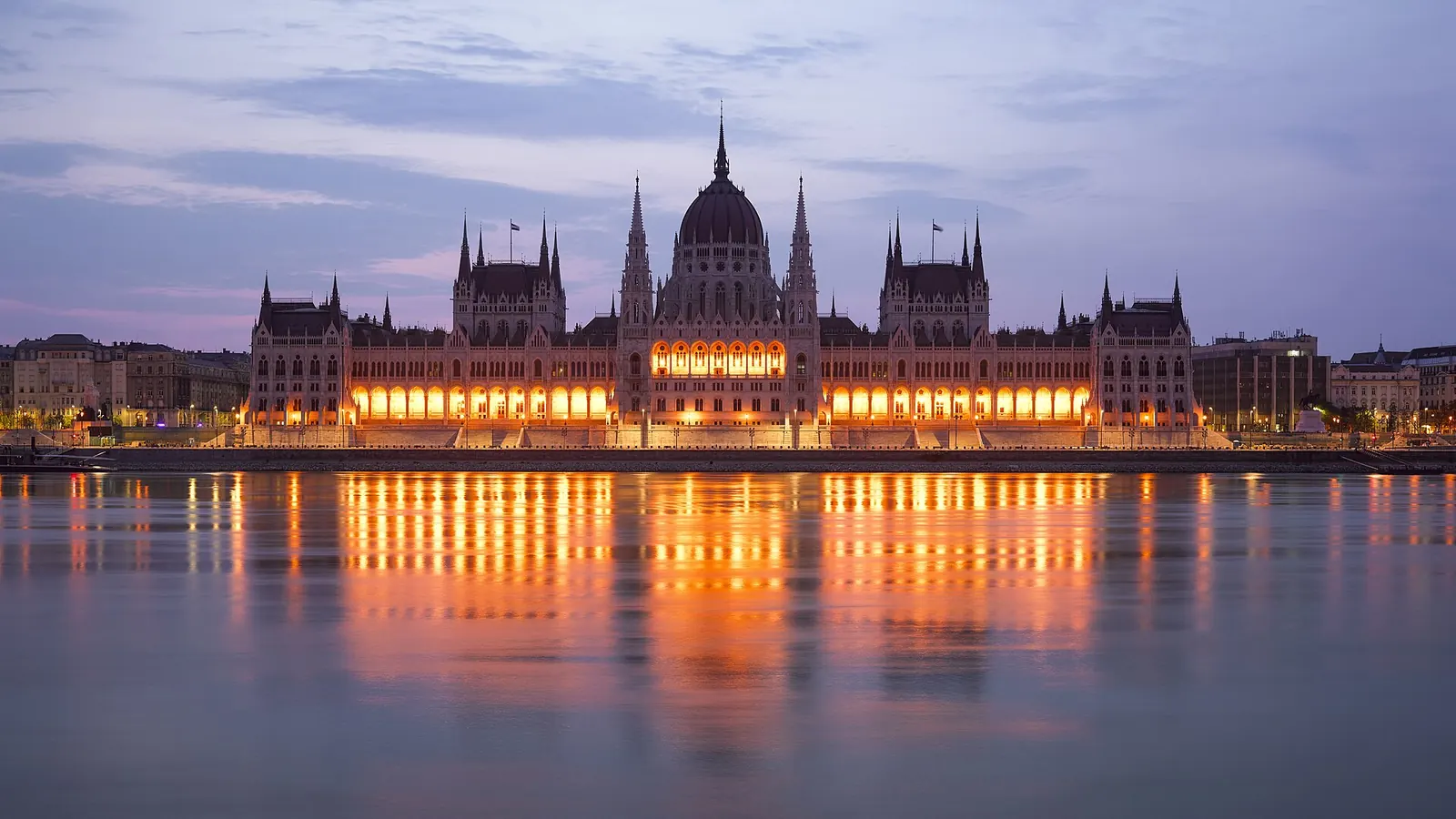
Budapest is two cities facing each other across the Danube: hilly Buda with its castle, and flat, lively Pest. Soak in a steaming thermal bath, admire the Parliament lit up at night, and explore the ruin bars of the old Jewish quarter.
Good to know
- Best time to go
- April, May, June, September, October and December
- Flight from New York
- about 8h 55m nonstop
- Local time
- —
- Currency
- Hungarian Forint (HUF)
- Languages
- Hungarian
Flight time is an estimate based on distance; actual schedules vary by airline and route.
Highlights
- Thermal baths like Széchenyi and Gellért
- Danube views from Fisherman's Bastion
- Ruin bars of the Jewish Quarter
History
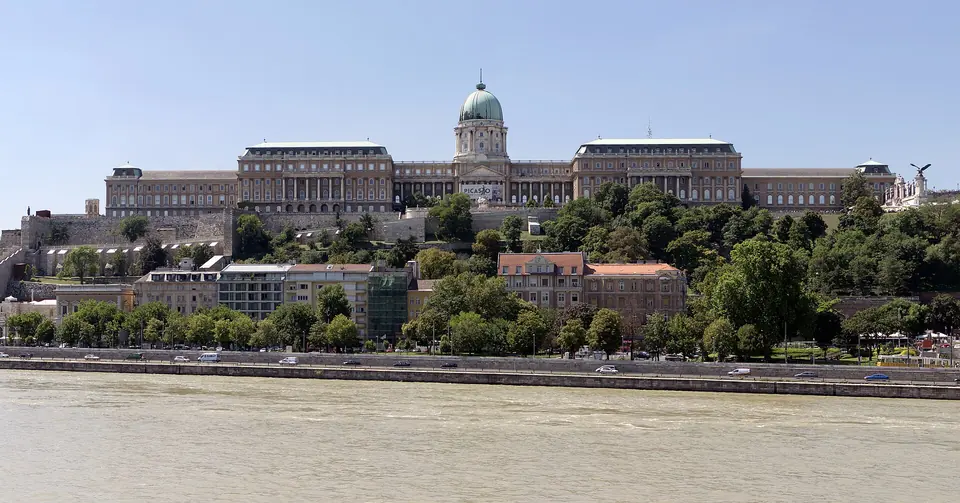
The Romans built the town of Aquincum here, enjoying the area's hot springs. Magyar tribes arrived in the late ninth century, and Hungary became a Christian kingdom under Saint Stephen around 1000. The Mongols sacked the area in 1241, after which King Béla IV fortified Buda's castle hill. The Ottomans ruled for nearly 150 years from 1541 and left behind several bathhouses still in use today. In 1873 the towns of Buda, Óbuda and Pest merged into Budapest, which flourished as the second capital of the Austro-Hungarian Empire. The twentieth century brought war, the Holocaust, and the 1956 uprising against Soviet rule, crushed by tanks. Since 1989, Budapest has become one of Europe's most vibrant capitals.
Culture
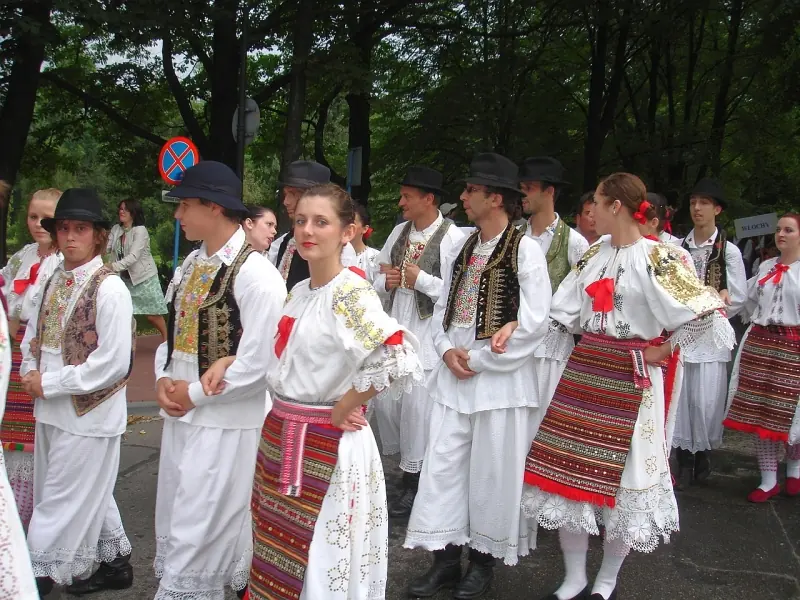
Bathing is a Budapest tradition: locals play chess in the open-air pools of the Széchenyi baths, even in winter. The city's ruin bars, set up in abandoned courtyards and buildings, have become a symbol of its creative energy. Hungarian food is warming and paprika-rich: goulash soup, chicken paprikash, lángos (fried flatbread) and chimney cake. Classical music runs deep, from Liszt to Bartók, and the State Opera House is one of Europe's finest.
Landmarks
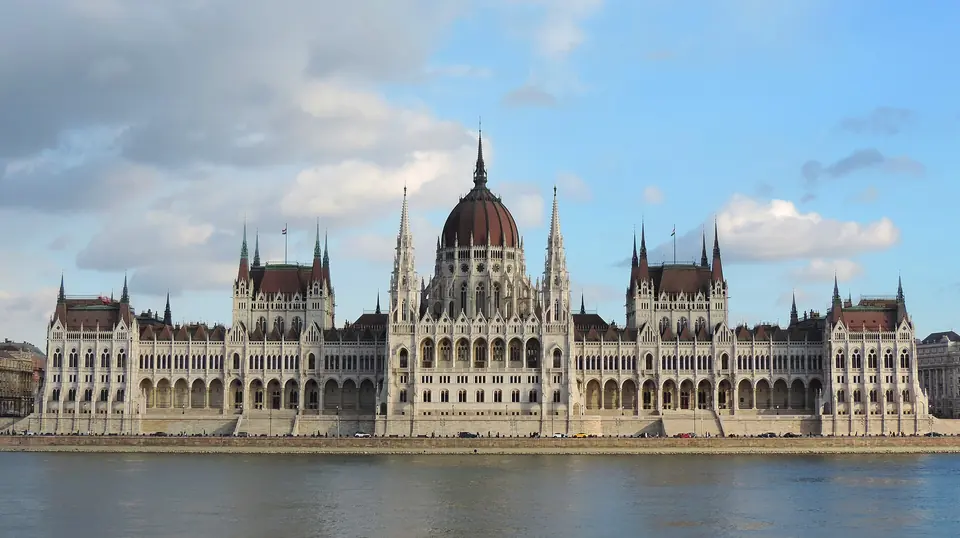
© Kilyann Le Hen · CC BY 4.0 Hungarian Parliament Building
Completed in 1904 on the Pest bank, this Gothic Revival building is one of the largest parliaments in the world. Guided tours show its grand staircase and the Holy Crown of Hungary.
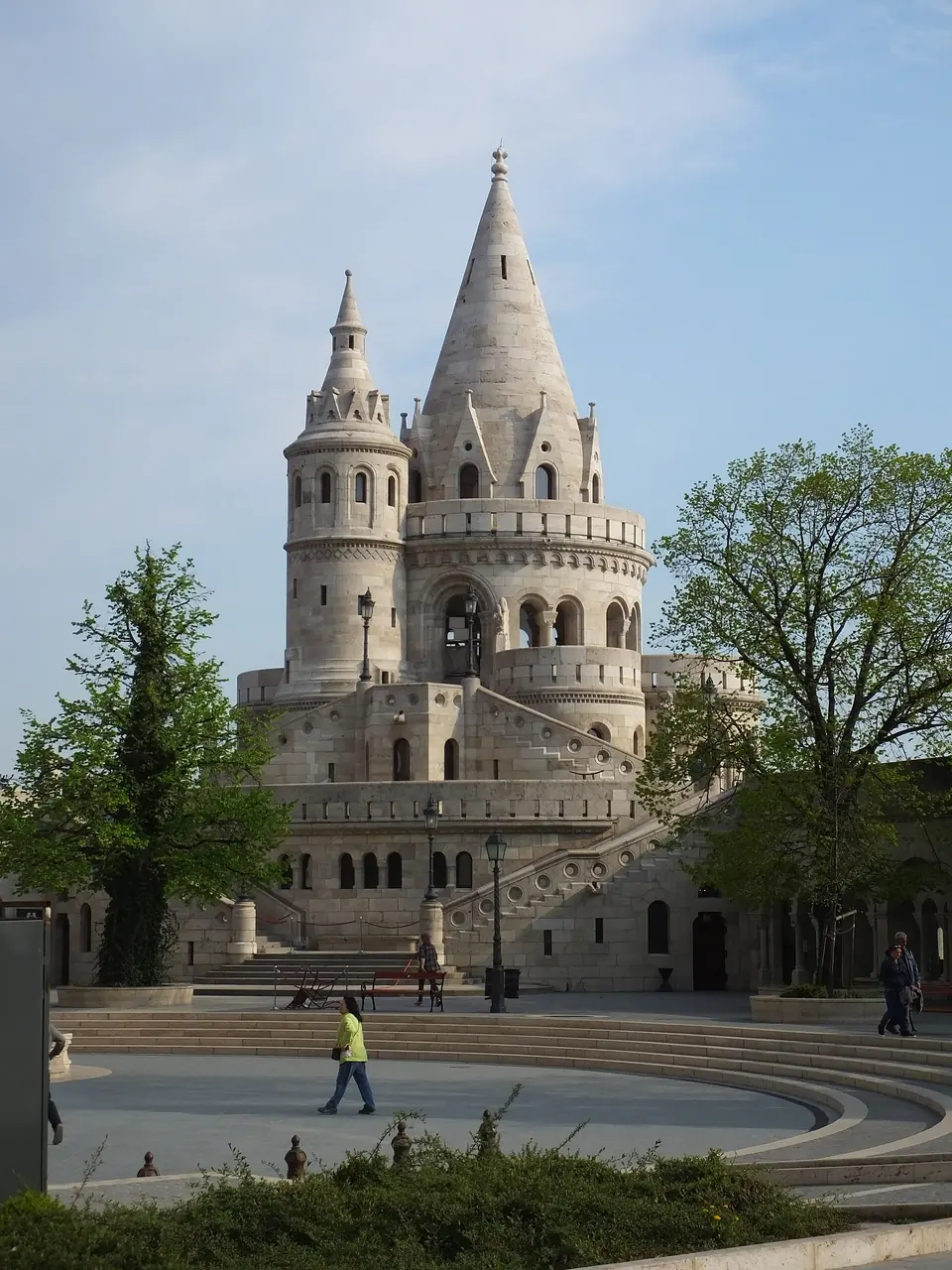
© Brian Adamson · CC BY 2.0 Buda Castle and Fisherman's Bastion
On Castle Hill, the former royal palace now houses the National Gallery. Nearby, the turrets of Fisherman's Bastion frame some of the best views of the Danube and Parliament.
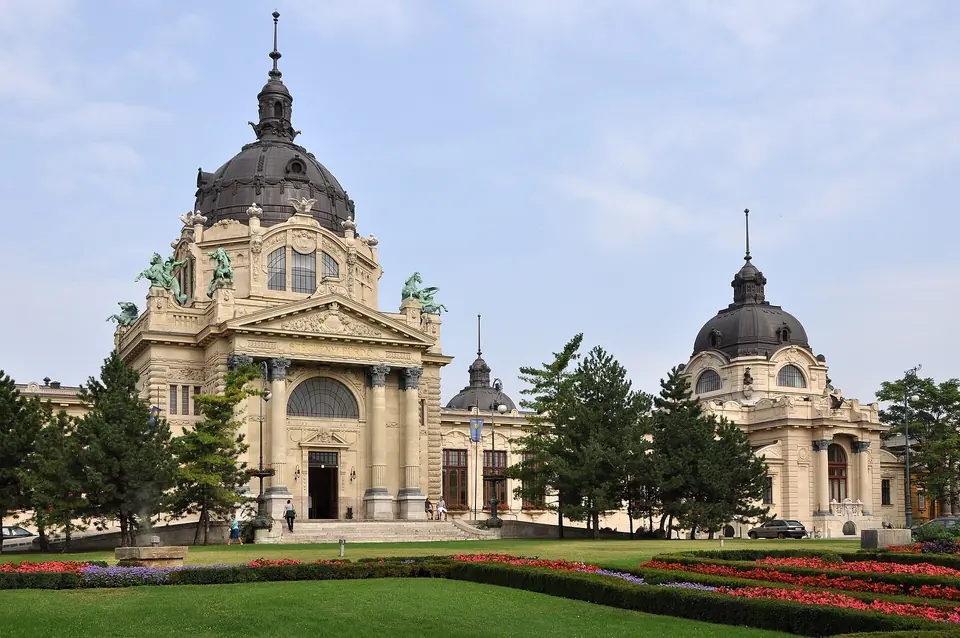
© Marc Ryckaert (MJJR) · CC BY 3.0 Széchenyi Thermal Bath
Opened in 1913 in City Park, this yellow neo-Baroque complex is one of Europe's largest medicinal baths, with indoor pools and three big outdoor pools fed by natural hot springs.