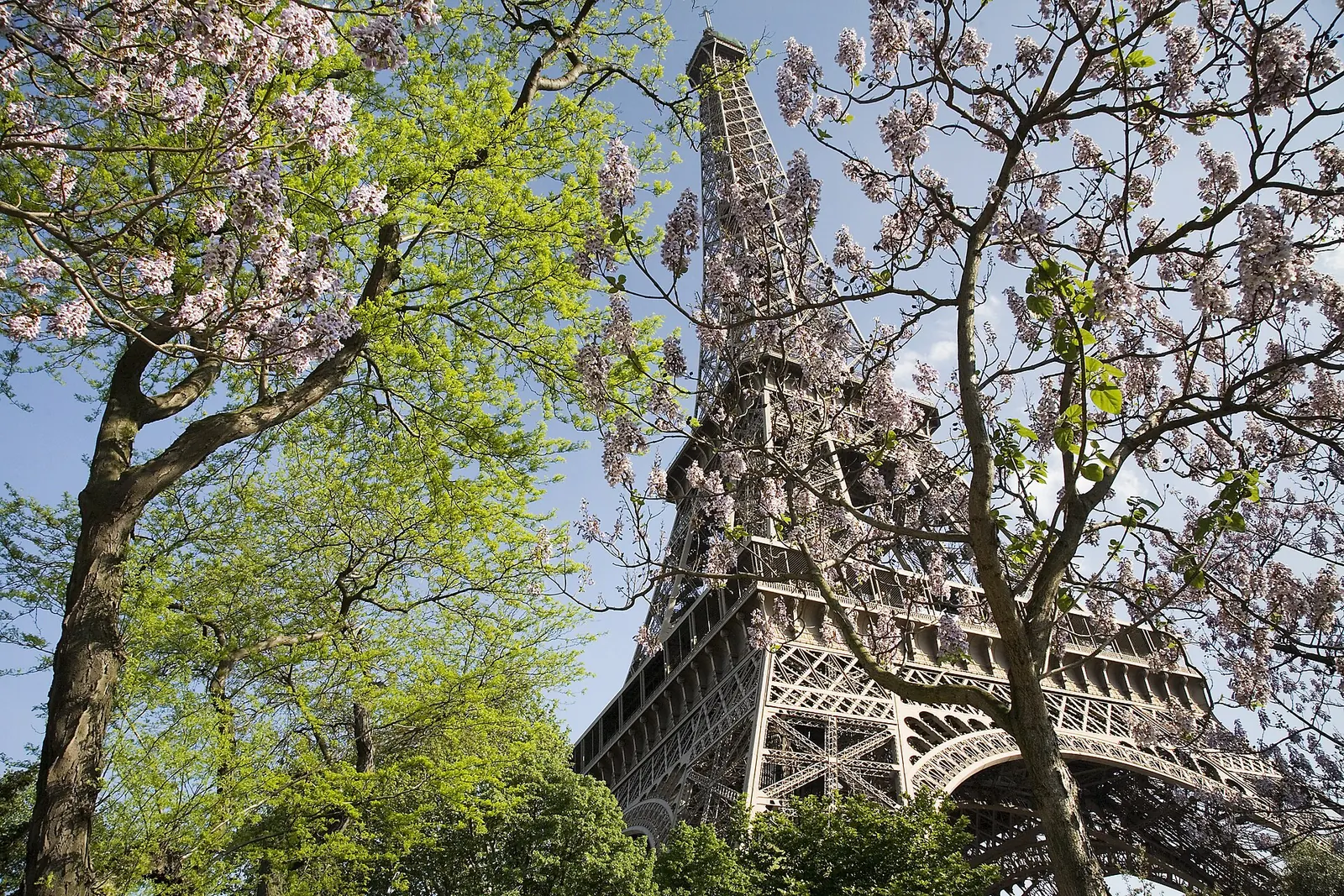
Paris rewards slow wandering: riverside walks along the Seine, neighbourhood markets, and museums that could fill a week on their own. Spring and early autumn bring mild weather and fewer queues.
Good to know
- Best time to go
- April, May, June, September and October
- Flight from New York
- about 7h 30m nonstop
- Local time
- —
- Currency
- Euro (EUR)
- Languages
- French
Flight time is an estimate based on distance; actual schedules vary by airline and route.
Highlights
- Seine riverbanks at sunset
- Neighbourhood food markets
- Art from antiquity to modern
History
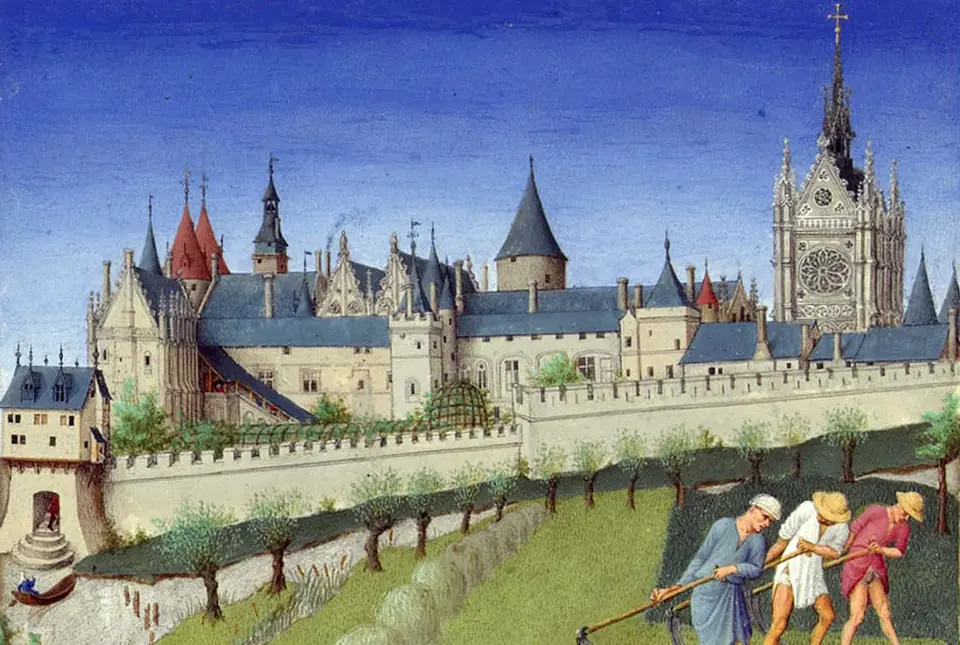
Paris began as Lutetia, a fishing settlement of the Parisii tribe on the marshy islands of the Seine, seized by Julius Caesar's legions in 52 BC. Clovis made it the capital of the Frankish kingdom in 508, and it has rarely looked back. The medieval city raised Notre-Dame from 1163 and founded the Sorbonne in 1257, drawing scholars from across Europe. Philippe Auguste built the first Louvre as a fortress around 1190. Louis XIV moved the court to Versailles in 1682, but the Revolution dragged power back — the Bastille fell on 14 July 1789, and Paris became the stage for the Terror, Napoleon, and three more revolutions. Baron Haussmann's rebuilding under Napoleon III (1853–1870) carved the grand boulevards through medieval lanes and gave the city its limestone face. The Eiffel Tower rose for the 1889 World's Fair. Occupied in 1940 and liberated in August 1944, Paris emerged as the capital of existentialism, cinema's New Wave, and couture. Today you walk it all at once: Roman baths in the Latin Quarter, medieval timber in the Marais, Haussmann's façades everywhere.
Culture
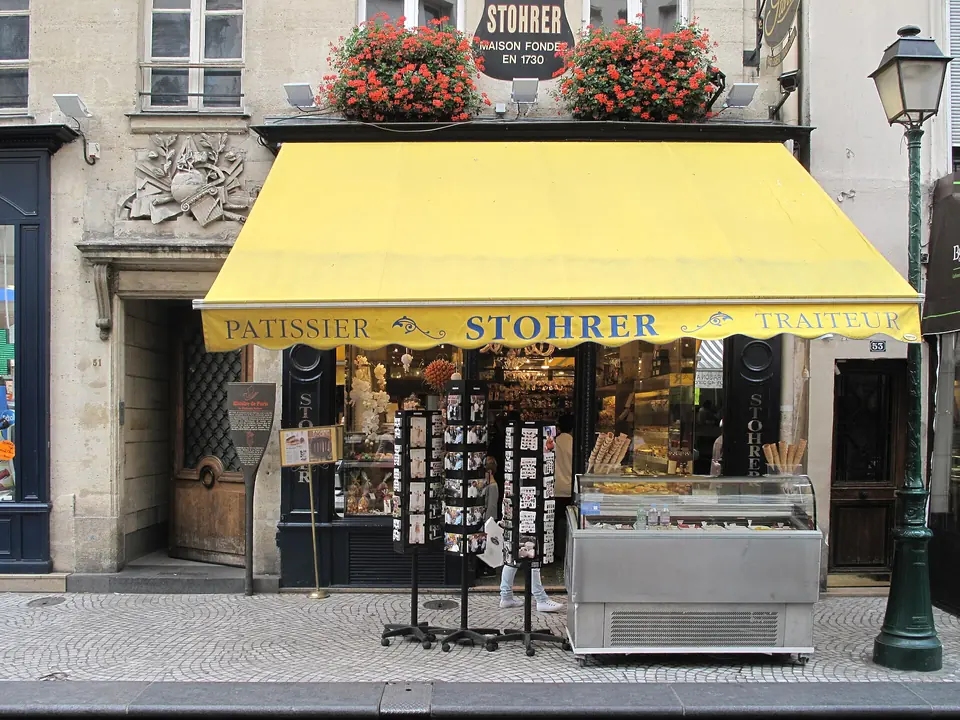
Parisian life runs on ritual. The morning starts at the café counter — espresso taken standing, croissant still warm — because the café is the city's living room. Lunch remains a proper pause, not a sandwich at a desk. Each arrondissement keeps its market street, and on Sundays the parks fill with families while most shops stay shuttered. The flâneur tradition is alive: the Seine's quays, car-free on Sundays in places, belong to walkers, readers and picnickers. Intellectual life still concentrates in Saint-Germain-des-Prés, though the real creative energy has moved east to Belleville and Ménilmontant. Fashion is not an industry here so much as a daily observance — even teenagers dress with intent. Evenings mean the apéro: a glass of wine on a terrace as the light goes gold on the limestone. Museums are not tourist duty but part of the week — Parisians queue for the big retrospectives like everyone else.
Landmarks
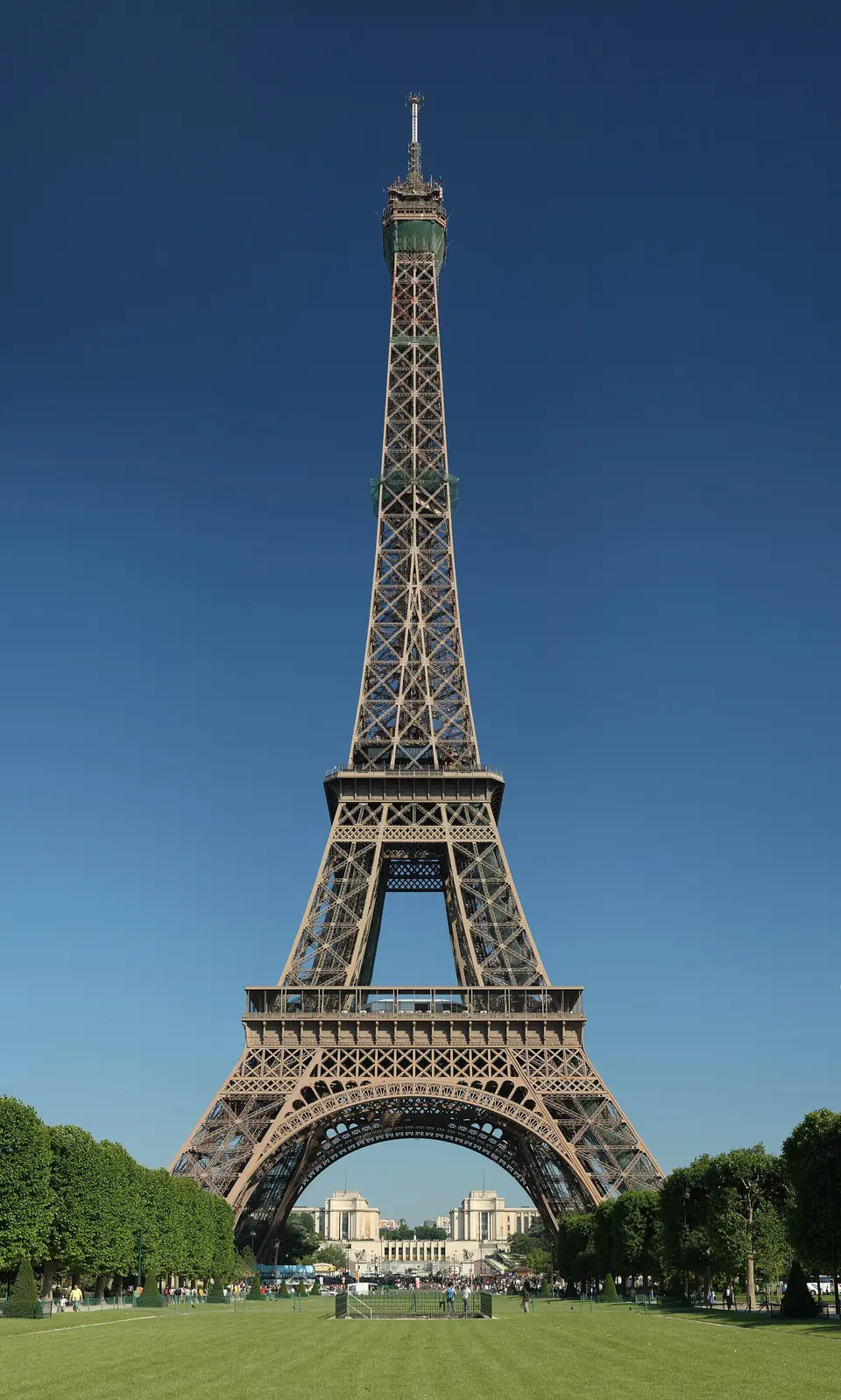
© Benh LIEU SONG · Public domain Eiffel Tower
Built by Gustave Eiffel for the 1889 World's Fair, the 330-metre iron lattice was meant to stand for twenty years — Parisians of the era called it a metal monstrosity. It survived because it made a perfect radio antenna. Repainted every seven years, its puddled-iron frame is now the most visited paid monument on earth.
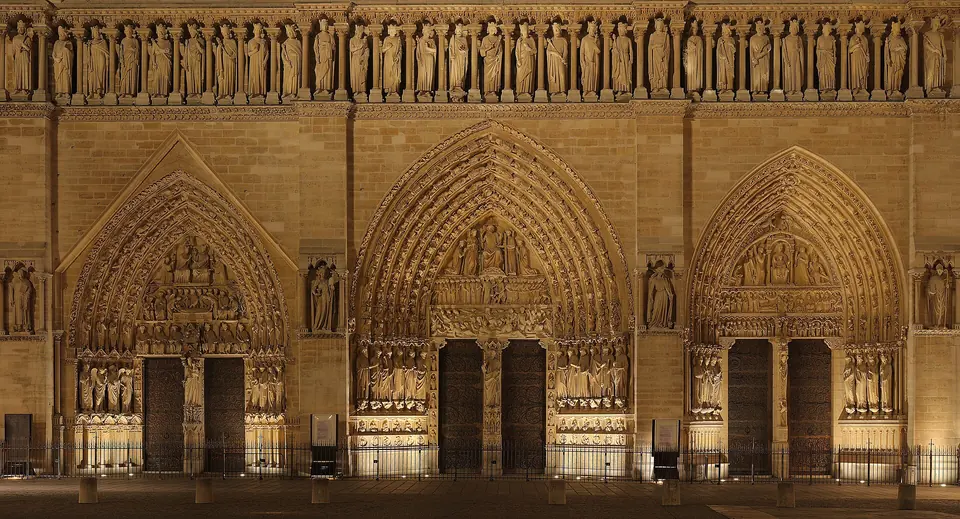
© Benh LIEU SONG · CC BY-SA 3.0 Notre-Dame de Paris
Begun in 1163 on the Île de la Cité, the cathedral took nearly two centuries to complete and defined Gothic architecture for Europe. Victor Hugo's 1831 novel saved it from ruin; Viollet-le-Duc restored it, adding the famous spire. After the 2019 fire it reopened in December 2024, rebuilt by a thousand artisans.
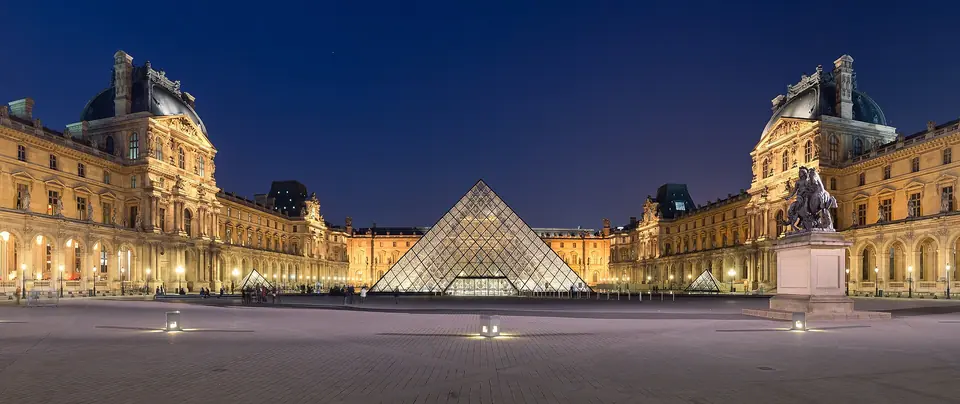
© Benh LIEU SONG (Flickr) · CC BY-SA 3.0 The Louvre
Philippe Auguste's 1190 fortress became a Renaissance palace, then the world's most visited museum when revolutionaries opened the royal collection to the public in 1793. I.M. Pei's glass pyramid (1989) still divides opinion. Beyond the Mona Lisa: the medieval foundations in the basement, and the Denon wing at 9am before the crowds.
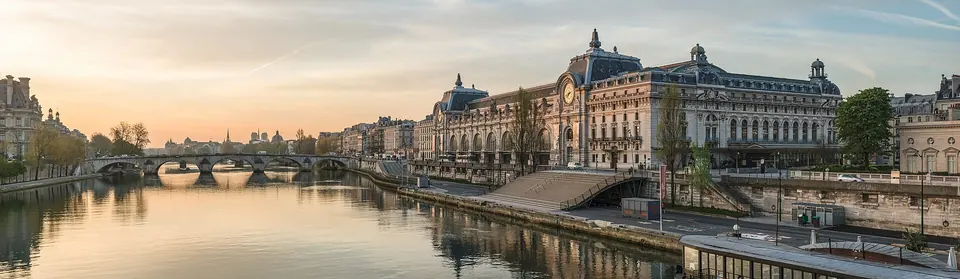
© DXR · CC BY-SA 3.0 Musée d'Orsay
A Beaux-Arts railway station built for the 1900 World's Fair, saved from demolition in the 1970s and reborn as the museum of Impressionism. Monet, Van Gogh and Degas hang under the great glass vault; the giant station clock on the top floor frames the Sacré-Cœur like a painting.
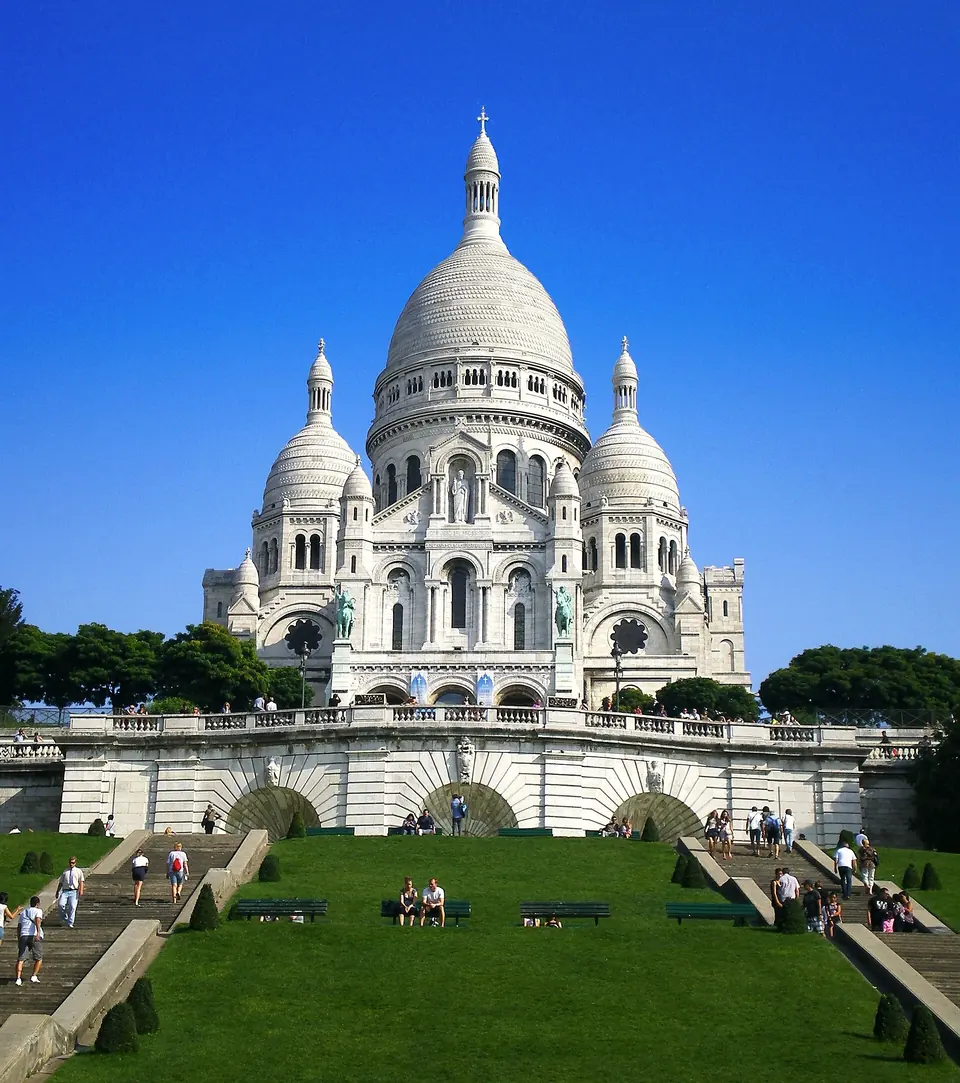
© Tonchino · CC BY-SA 3.0 Sacré-Cœur & Montmartre
The white-domed basilica, consecrated in 1919, was built as national penance after the Franco-Prussian War — radicals have resented it ever since. Climb past the carousel to the parvis for the city's best free view. Behind it, Montmartre's vineyard and artists' square keep the village that housed Picasso and Modigliani.
Official visitor resources
Official tourism boards and visitor bureaus.