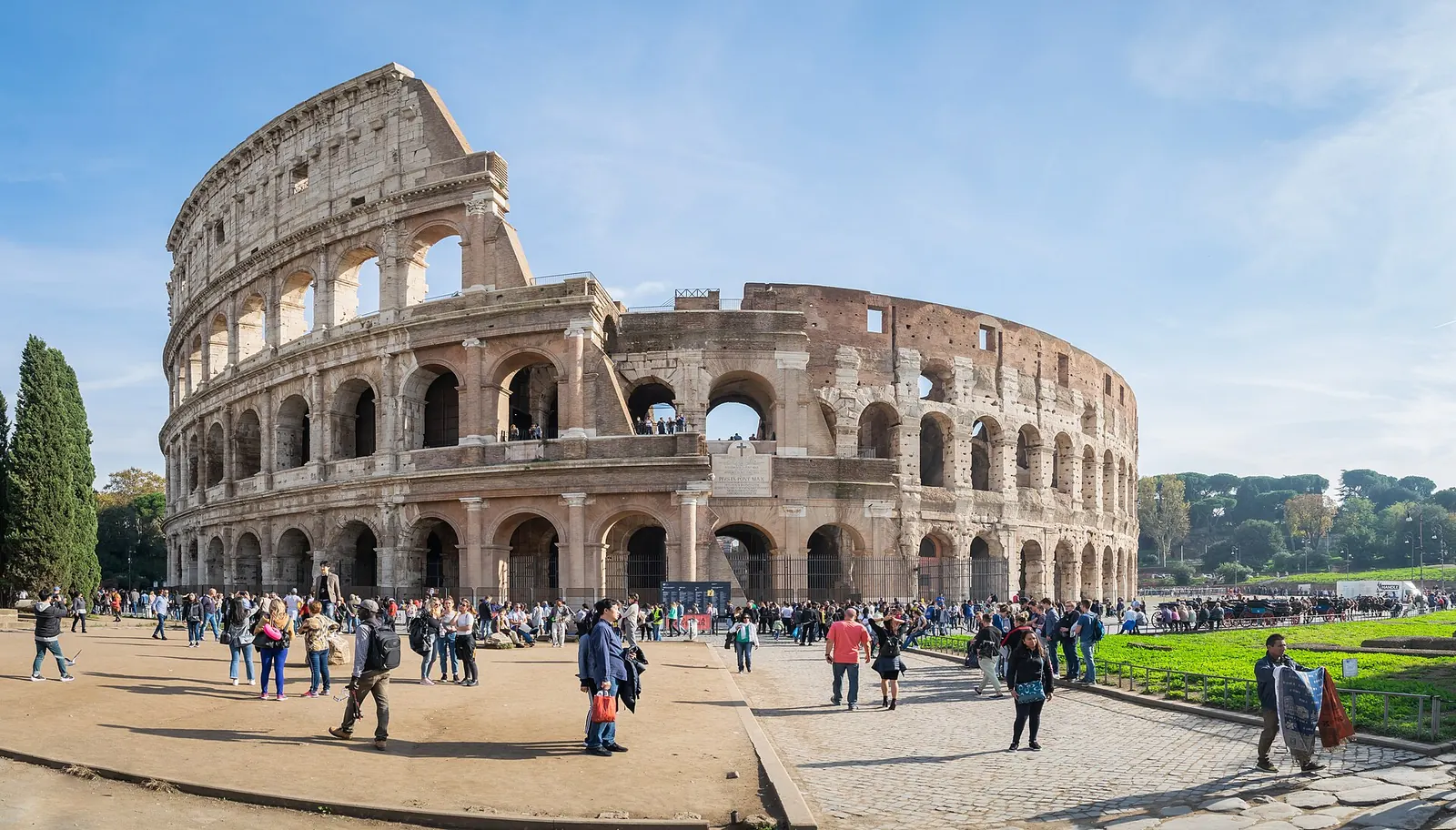
Rome layers thousands of years of history into its streets. Mornings at the ancient sites, afternoons in shaded piazzas and evenings in neighbourhood trattorias.
Good to know
- Best time to go
- April, May, June, September and October
- Flight from New York
- about 8h 45m nonstop
- Local time
- —
- Currency
- Euro (EUR)
- Languages
- Italian
Flight time is an estimate based on distance; actual schedules vary by airline and route.
Highlights
- Ancient forums and ruins
- Fountains and piazzas
- Neighbourhood trattorias
History
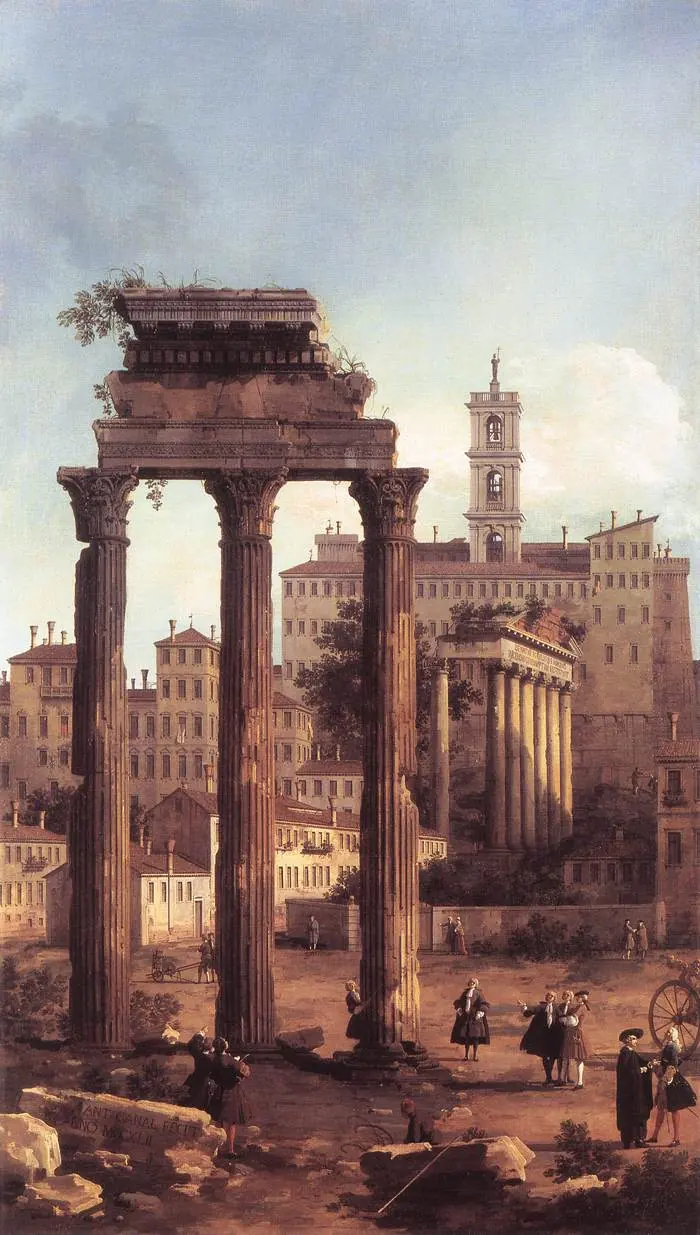
Rome claims 753 BC and the twins Romulus and Remus, raised by a she-wolf — the archaeology says hilltop villages, which is close enough for legend. The Republic (509 BC) conquered the Mediterranean; Augustus then declared he 'found Rome a city of brick and left it a city of marble.' The Colosseum (70–80 AD) seated 50,000. When the Western Empire fell in 476, the popes inherited the city and rebuilt it as Christendom's capital: St Peter's rose over the apostle's tomb, Michelangelo painted the Sistine ceiling between 1508 and 1512, and Bernini gave the Baroque its stage. Rome became capital of unified Italy in 1870, endured Mussolini's bombast, and emerged after the war into Fellini's dolce vita. The past is not behind glass here — a Renaissance palazzo sits on a medieval tower on Roman apartments, and the Metro dig keeps hitting temples.
Culture
Roman life is lived outside. The passeggiata — the unhurried evening stroll — still empties apartments onto the streets at dusk, ending wherever the piazza looks best. Coffee is a precise science: drunk standing at the bar, a cappuccino never after eleven, a caffè that costs double if you sit. Lunch is the day's anchor; dinner starts at eight at the earliest. The trattorias of Testaccio and Trastevere guard recipes like state secrets — carbonara has no cream, and Romans will tell you so at length. Markets set the morning: Campo de' Fiori's produce, Testaccio's tripe stands. Football divides the city between Roma and Lazio with tribal seriousness. Sundays belong to family lunches that run to four courses and no fixed end. And gelato is not dessert but a discipline — the good shops make it daily, pistachio from Bronte, and close when it runs out.
Landmarks
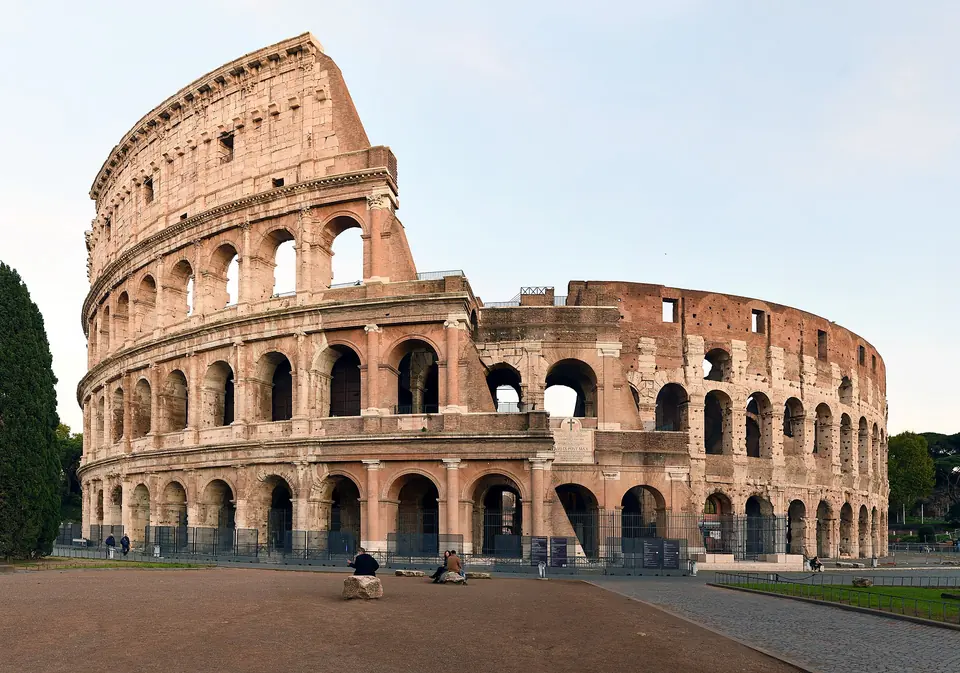
© FeaturedPics · CC BY-SA 4.0 Colosseum
Vespasian's amphitheatre (70–80 AD) staged gladiatorial games for crowds of 50,000, with a canvas awning rigged by sailors to shade them. Christians were not, despite the legend, routinely martyred here. Stand on the arena floor's partial reconstruction and look up — the scale still intimidates, two thousand years on.
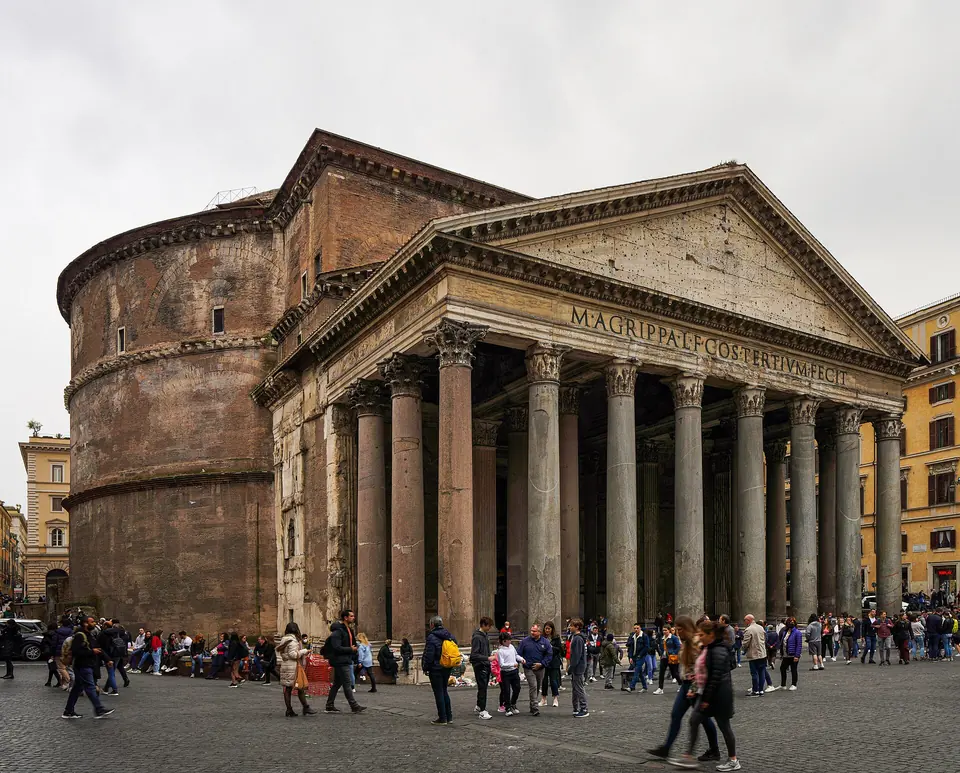
© NikonZ7II · CC BY-SA 4.0 Pantheon
Hadrian's temple to all gods (c. 125 AD) has the largest unreinforced concrete dome ever built — 43 metres across, with an open oculus that turns rain into theatre. It survived because it became a church in 609. Raphael is buried here. Arrive at noon on a bright day and watch the sunbeam move.
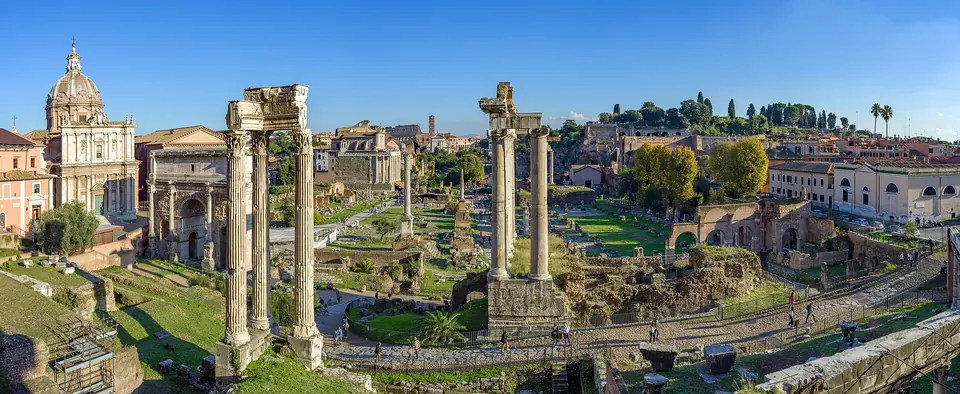
© Wolfgang Moroder · CC BY-SA 3.0 Roman Forum & Palatine Hill
For five centuries this valley was the centre of the Western world — senate, courts, triumphal arches, and the rostra where Cicero spoke. The Palatine above was the emperors' address; our word 'palace' comes from it. Come at opening: the stones are empty and the umbrella pines throw long shadows.
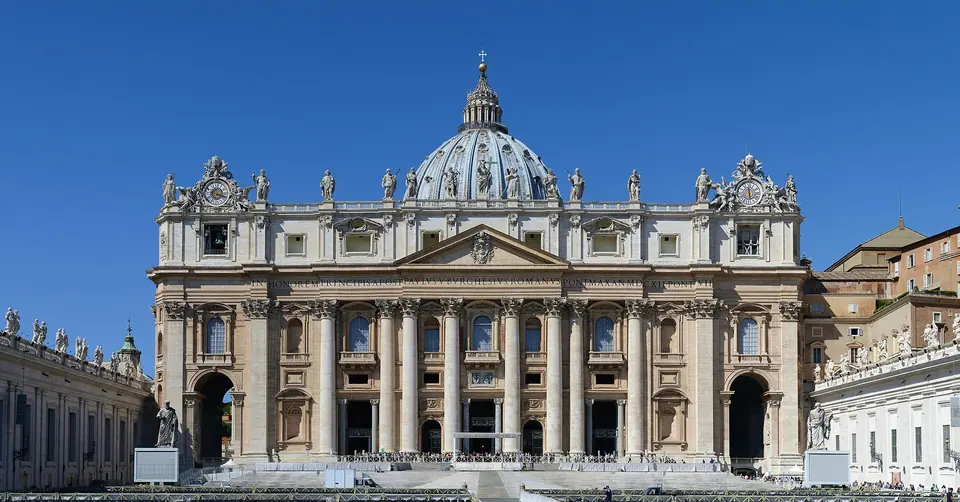
© Alvesgaspar · CC BY-SA 4.0 St Peter's Basilica
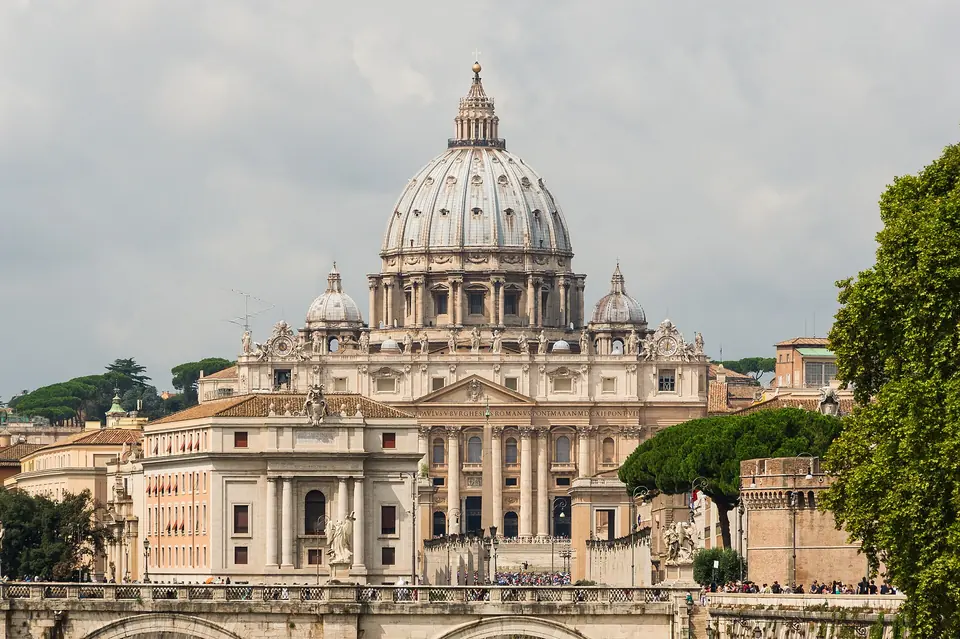
The largest church in Christendom, built over St Peter's tomb between 1506 and 1626 — Bramante, Michelangelo (the dome), Bernini (the colonnade that embraces the square like arms). The Pietà sits behind glass since 1972, when a hammer attack scarred it. Climb the dome: 551 steps, and Rome spreads below.
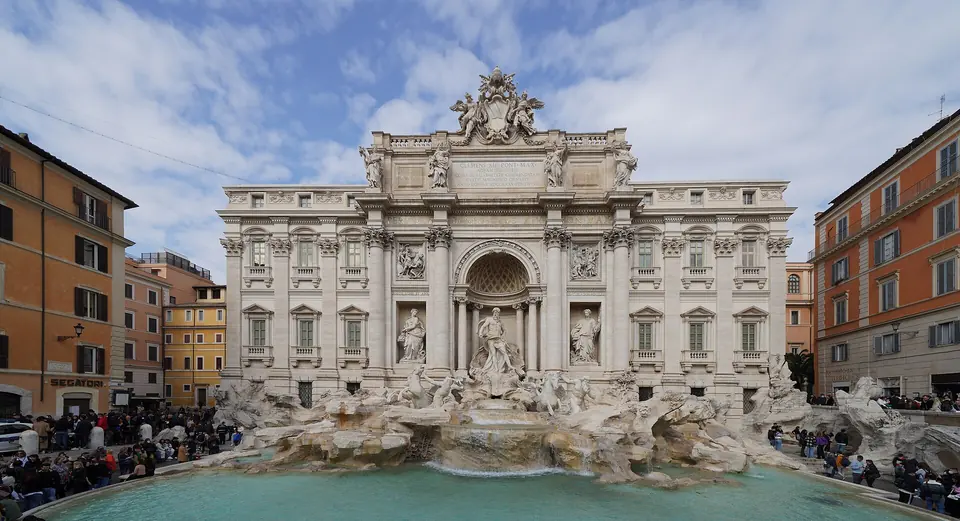
© NikonZ7II · CC BY-SA 4.0 Trevi Fountain
Nicola Salvi's 1732 Baroque cascade — Oceanus driving his shell chariot, water roaring over travertine — was a working aqueduct terminal, fed by the ancient Aqua Virgo. Fellini made it immortal when Anita Ekberg waded in. Toss a coin over your left shoulder: legend says it guarantees your return.
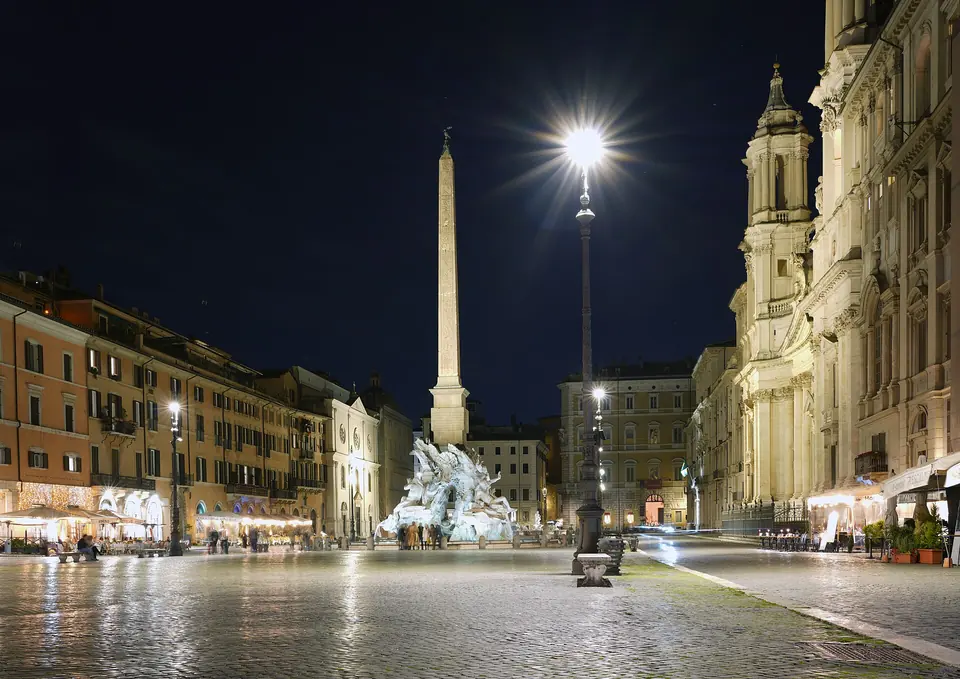
© NikonZ7II · CC BY-SA 4.0 Piazza Navona
Bernini's Fountain of the Four Rivers (1651) crowns a piazza built on Domitian's stadium — the long oval still follows the running track. Street artists and cafés fill it now, but look down: the stadium's entrances survive in the basements of the surrounding buildings.
Official visitor resources
Official tourism boards and visitor bureaus.