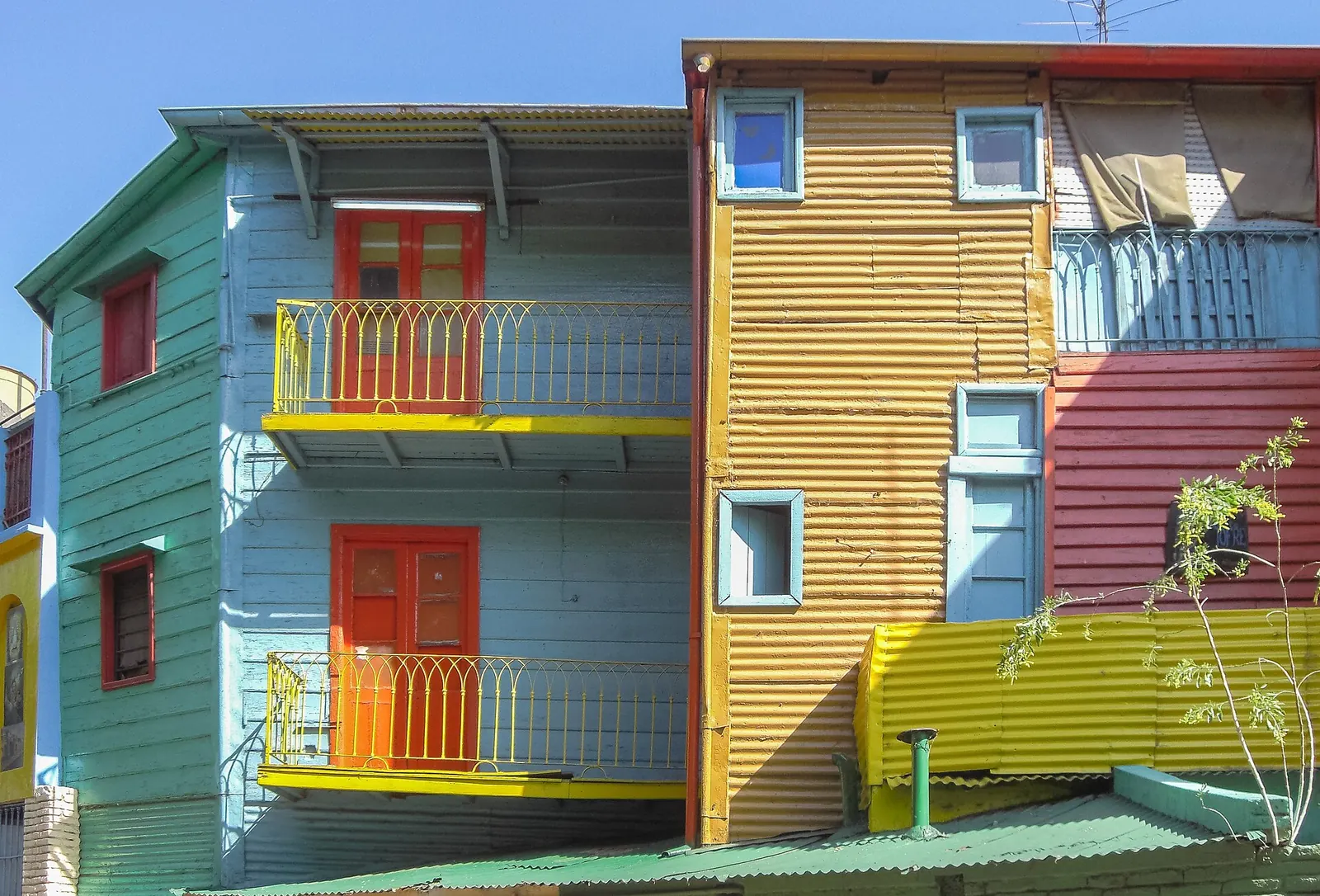
Buenos Aires is elegant, passionate and up all night. Watch tango in San Telmo, feast on steak at a parrilla, wander the colourful streets of La Boca and the leafy cafés of Palermo, and never eat dinner before ten.
Good to know
- Best time to go
- March, April, May, September, October and November
- Flight from New York
- about 10h 45m nonstop
- Local time
- —
- Currency
- Argentine Peso (ARS)
- Languages
- Spanish
Flight time is an estimate based on distance; actual schedules vary by airline and route.
Highlights
- Tango in San Telmo and milongas
- Parrilla steak dinners
- Recoleta and Palermo neighbourhoods
History
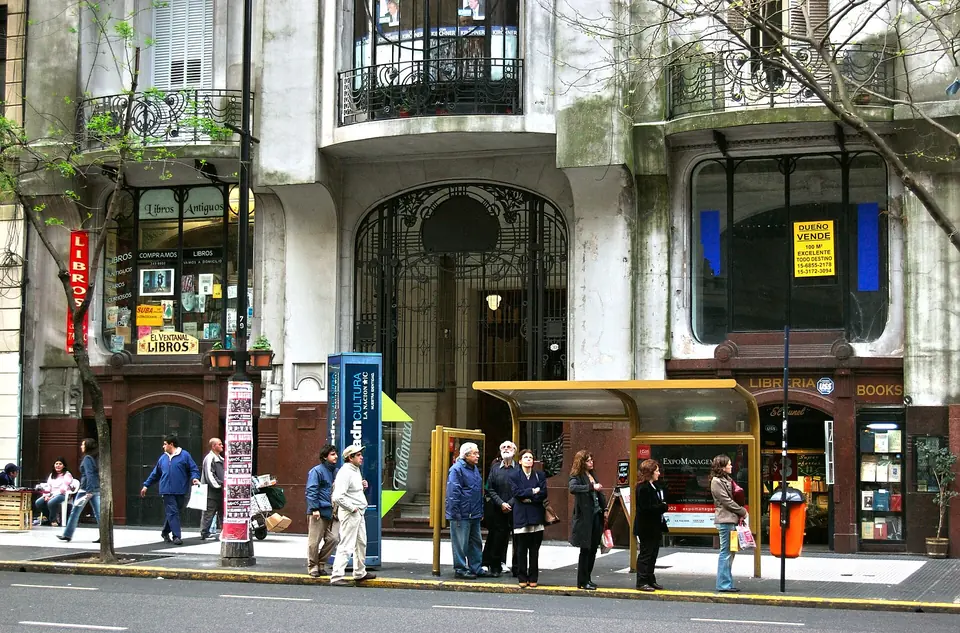
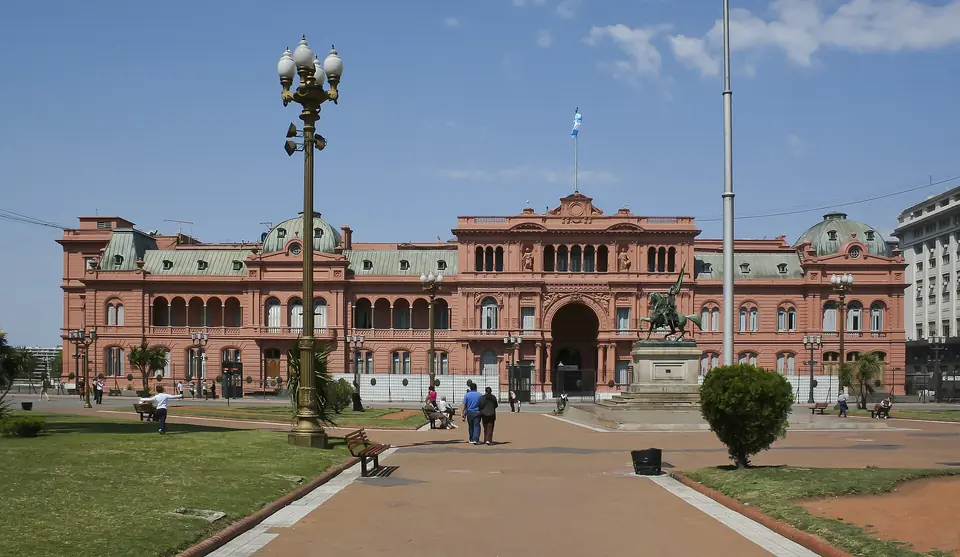
Spanish explorer Pedro de Mendoza first founded a settlement here in 1536, but it was abandoned; Juan de Garay founded the city for good in 1580. For centuries it was a modest port, until in 1776 it became the capital of the new Viceroyalty of the Río de la Plata. The May Revolution of 1810 began Argentina's path to independence, declared in 1816. Between 1880 and 1930, millions of immigrants, mainly from Italy and Spain, arrived, and wealth from beef and grain exports built the city's grand boulevards, theatres and palaces, earning it the nickname 'Paris of South America'. The twentieth century brought the era of Juan and Eva Perón and a military dictatorship from 1976 to 1983, remembered by the Mothers of Plaza de Mayo.
Culture
Porteños, the people of the port, are proud, talkative and passionate about football, with the Boca Juniors and River Plate rivalry splitting the city. Tango was born in its working-class neighbourhoods in the late nineteenth century and is still danced at milongas until dawn. Life runs late: dinner at ten or eleven, clubs after two. Steak cooked over wood at a parrilla, Malbec wine, empanadas and dulce de leche are staples. Sharing mate, a bitter herbal tea passed round in a gourd, is a sign of friendship.
Landmarks
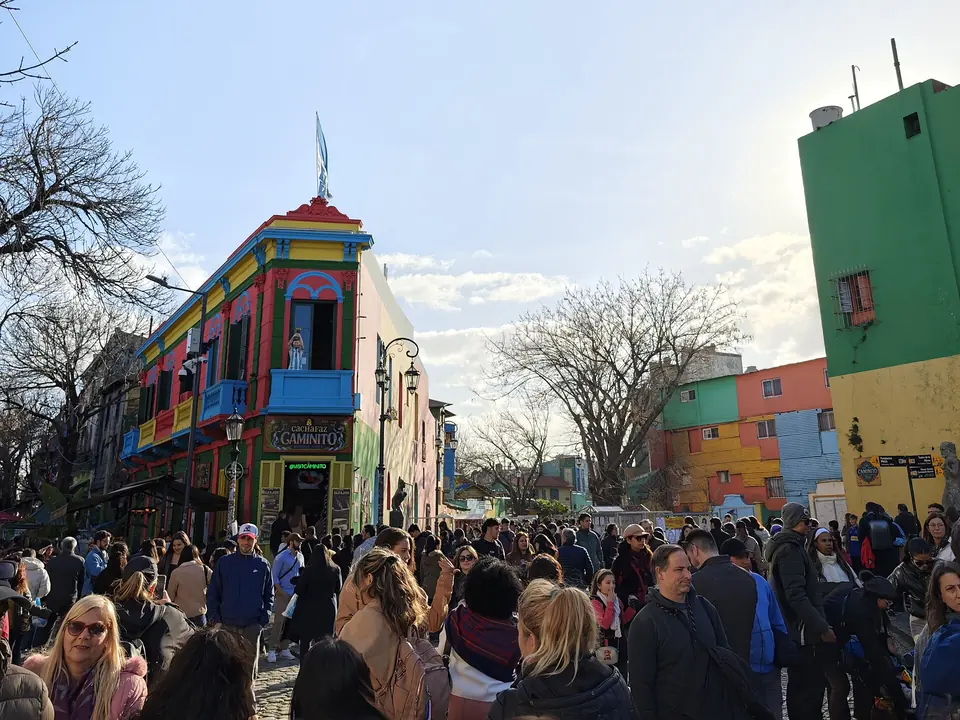
© Gonzabar77 · CC BY 4.0 La Boca and Caminito
This old port neighbourhood, settled by Italian immigrants, is known for its brightly painted metal houses on Caminito street and for La Bombonera, the stadium of the Boca Juniors football club.
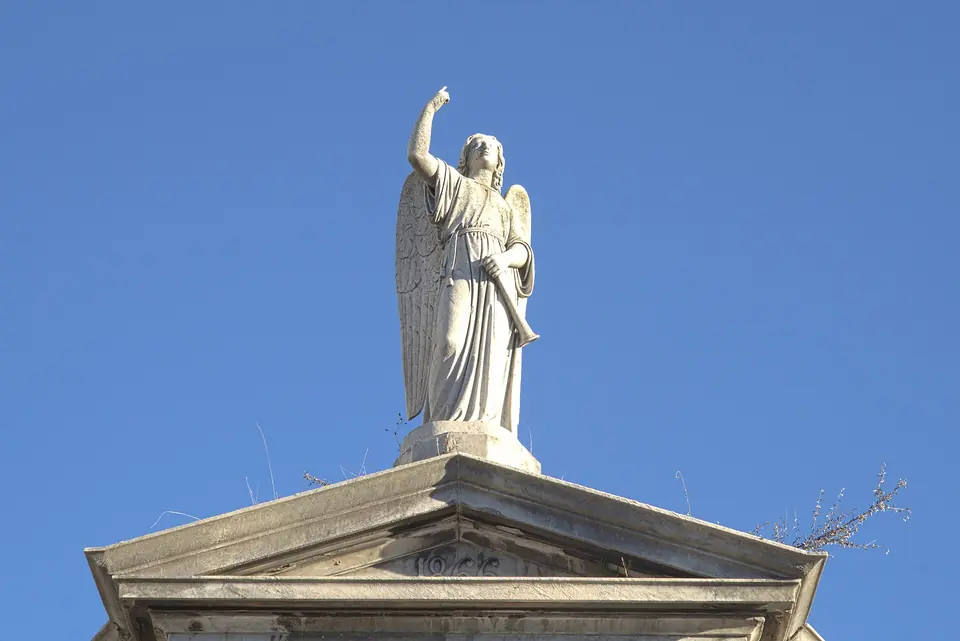
© Ezarate · CC BY-SA 4.0 Recoleta Cemetery
A city of marble mausoleums and statues, where presidents, writers and Eva Perón are buried. Its tree-lined paths and grand tombs make it one of the most remarkable cemeteries in the world.
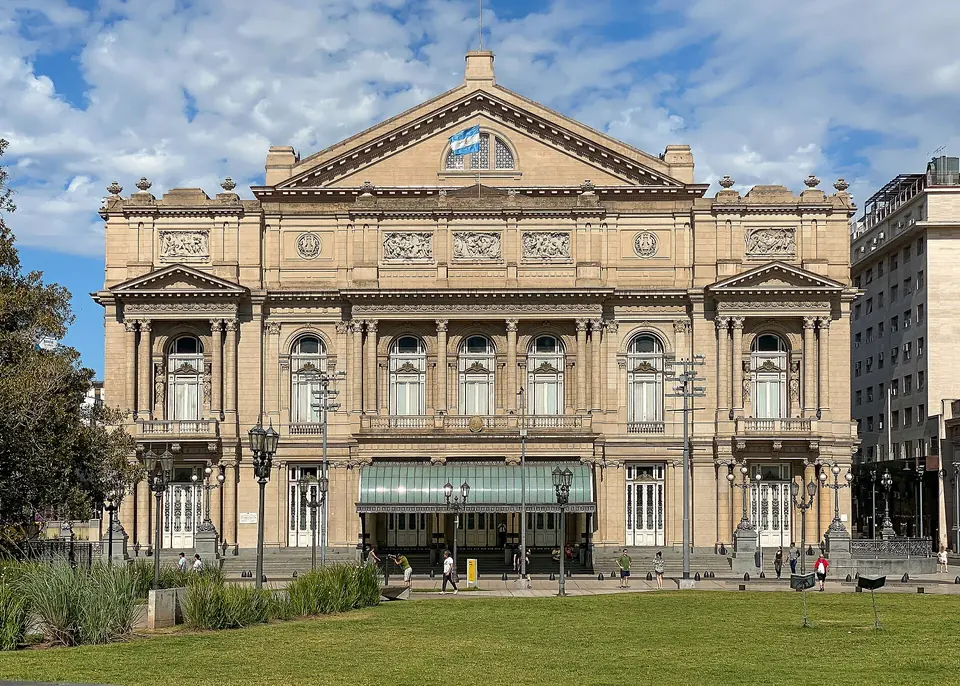
© EEJCC · CC0 Teatro Colón
Opened in 1908, this opera house is famous for its superb acoustics and lavish interior. Guided tours run daily, but the best way to experience it is at a performance.