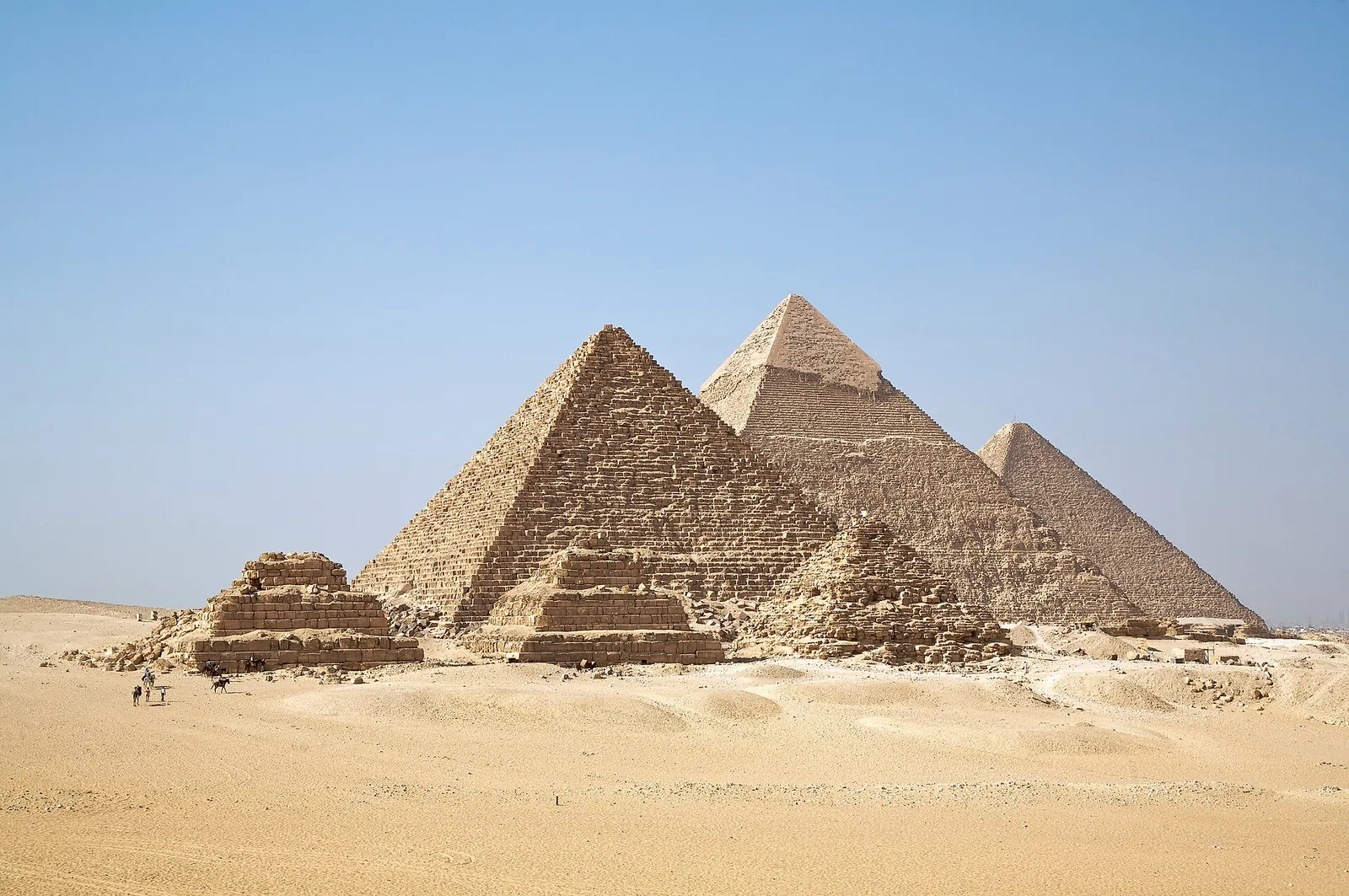
Cairo is where you stand before the last surviving wonder of the ancient world. Beyond the pyramids, explore the medieval lanes of Islamic Cairo, bargain in Khan el-Khalili and take a felucca out on the Nile at dusk.
Good to know
- Best time to go
- October, November, December, January, February, March and April
- Flight from New York
- about 11h 20m nonstop
- Local time
- —
- Currency
- Egyptian Pound (EGP)
- Languages
- Arabic
Flight time is an estimate based on distance; actual schedules vary by airline and route.
Highlights
- Pyramids and Sphinx of Giza
- Islamic Cairo's mosques and souks
- Felucca rides on the Nile
History
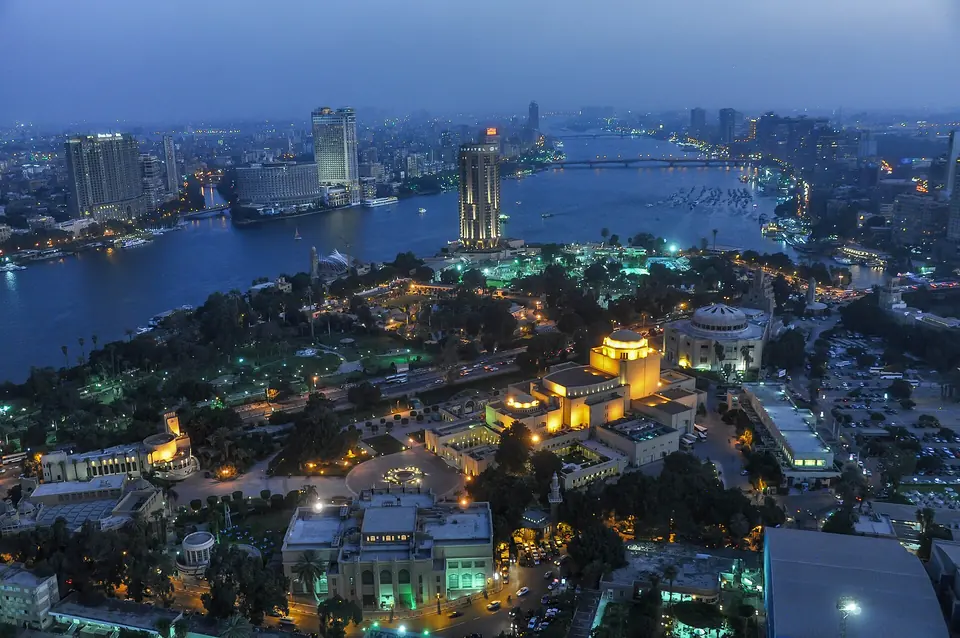
The pyramids on the Giza plateau were built more than 4,500 years ago, near Memphis, capital of the Old Kingdom. Cairo itself grew later: the Romans kept a fortress called Babylon here, and in 641 Arab armies founded Fustat beside it. In 969 the Fatimid dynasty built a new walled city and named it al-Qahira, 'the Victorious'. Under Saladin, who built the Citadel in the 1170s, and the Mamluk sultans who followed, Cairo became one of the largest and richest cities in the world, filled with mosques, madrasas and caravanserais. Ottoman rule began in 1517. In the nineteenth century Khedive Ismail laid out a European-style downtown, and modern Cairo grew into the Arab world's largest city and its cultural heart.
Culture
Cairenes joke that their city never sleeps, and the traffic agrees. Street food is a way of life: koshari, a hearty mix of rice, lentils, pasta and spiced tomato sauce, ful medames for breakfast, and sugarcane juice on every corner. Ahwas, traditional coffee houses, are where people meet to talk, play backgammon and smoke shisha late into the night. Egyptian cinema and music, from Umm Kulthum to modern mahraganat, are loved across the Arab world. Friday is the weekly day of rest.
Landmarks
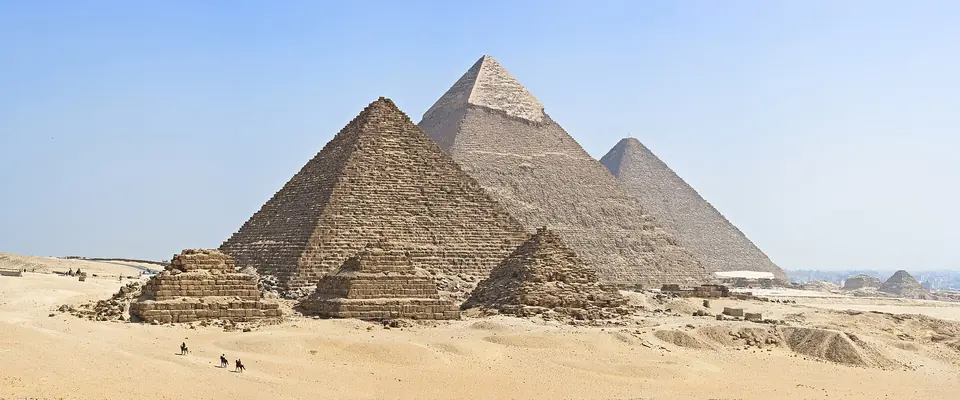
© KennyOMG · CC BY-SA 4.0 Pyramids of Giza
The Great Pyramid of Khufu was the tallest human-made structure on earth for nearly four thousand years. Together with the pyramids of Khafre and Menkaure and the Great Sphinx, it forms the most famous ancient site in the world.
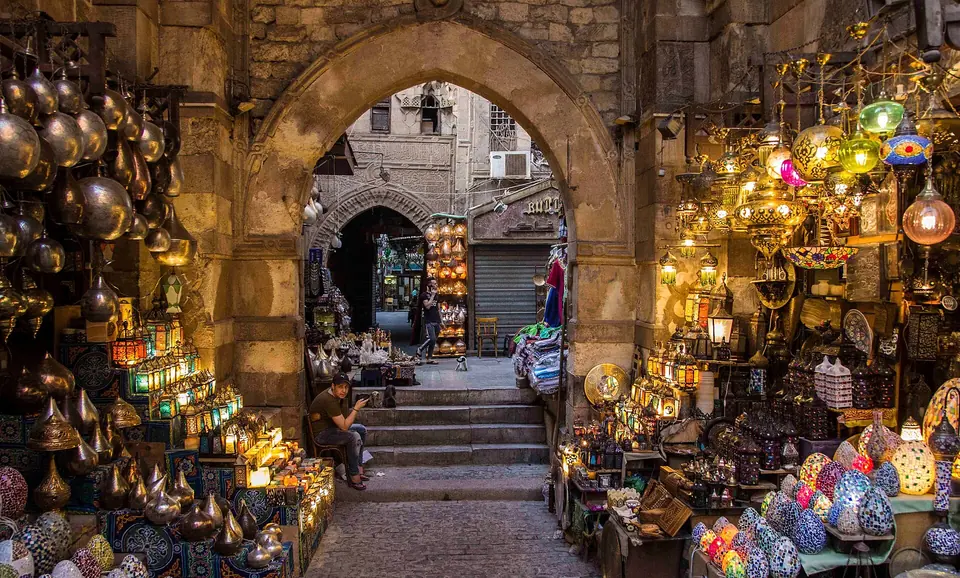
© Heba otefy · CC BY-SA 4.0 Khan el-Khalili
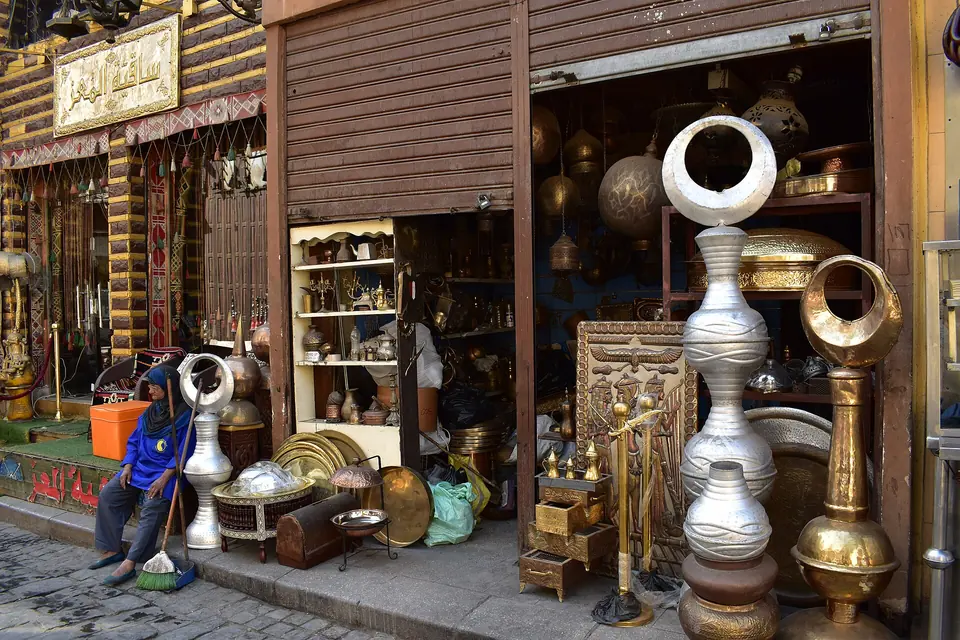
This bazaar dates back to the fourteenth century and still trades in spices, lanterns, perfumes and jewellery. Stop for mint tea at El Fishawy, a café that has been serving customers for more than two hundred years.
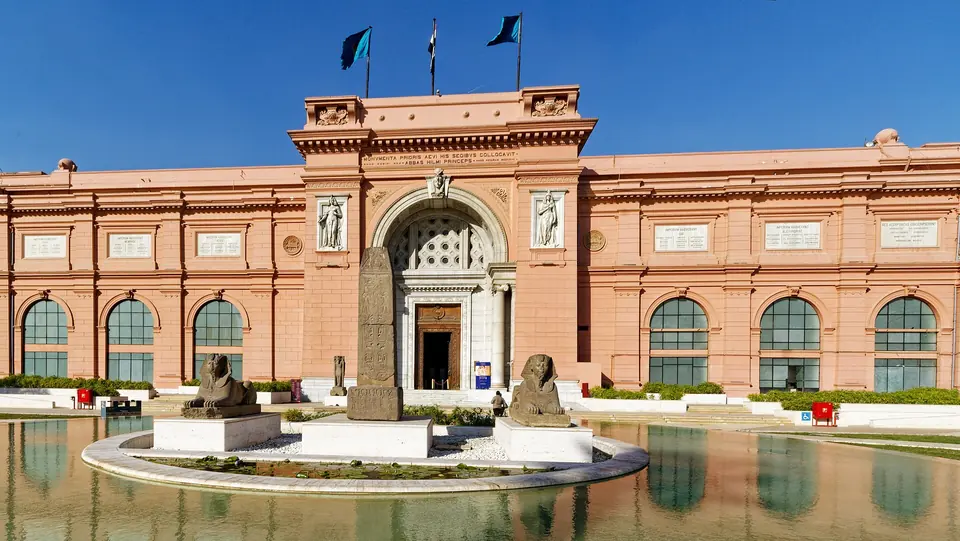
© Holger Uwe Schmitt · CC BY-SA 4.0 Grand Egyptian Museum
Near the pyramids, this vast museum is dedicated to ancient Egypt and displays the complete treasures of Tutankhamun's tomb. A colossal statue of Ramesses II greets visitors in the atrium.