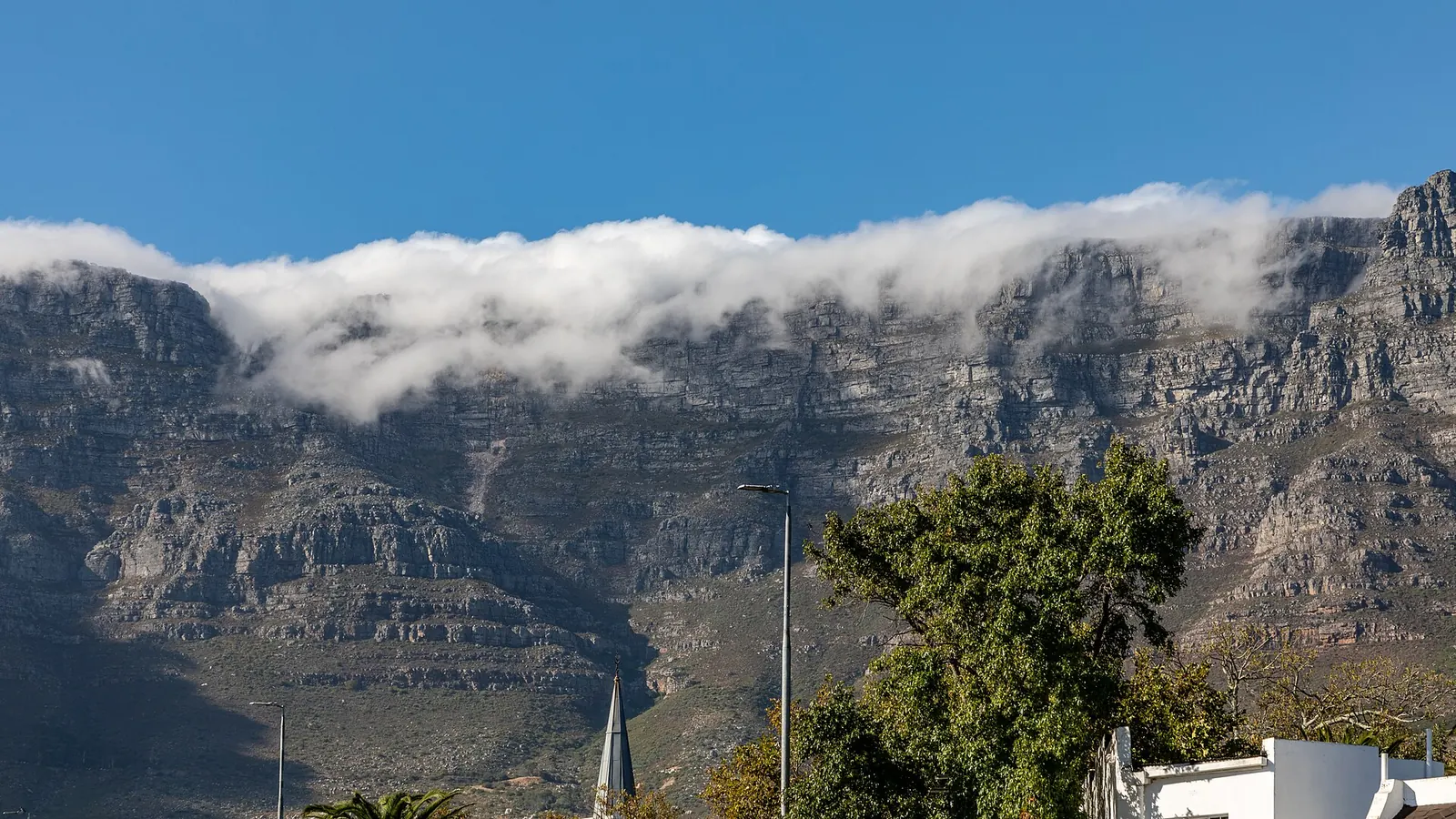
Cape Town sits between a flat-topped mountain and the sea. Hike or ride the cable car up Table Mountain, drive the cliff roads of the Cape Peninsula, and spend a day among the vineyards of Stellenbosch and Franschhoek.
Good to know
- Best time to go
- November, December, January, February, March and April
- Flight from New York
- about 15h 40m nonstop
- Local time
- —
- Currency
- South African Rand (ZAR)
- Languages
- English, Afrikaans and Xhosa
Flight time is an estimate based on distance; actual schedules vary by airline and route.
Highlights
- Table Mountain at sunrise
- Cape Peninsula coastal drive
- Winelands day trips
History
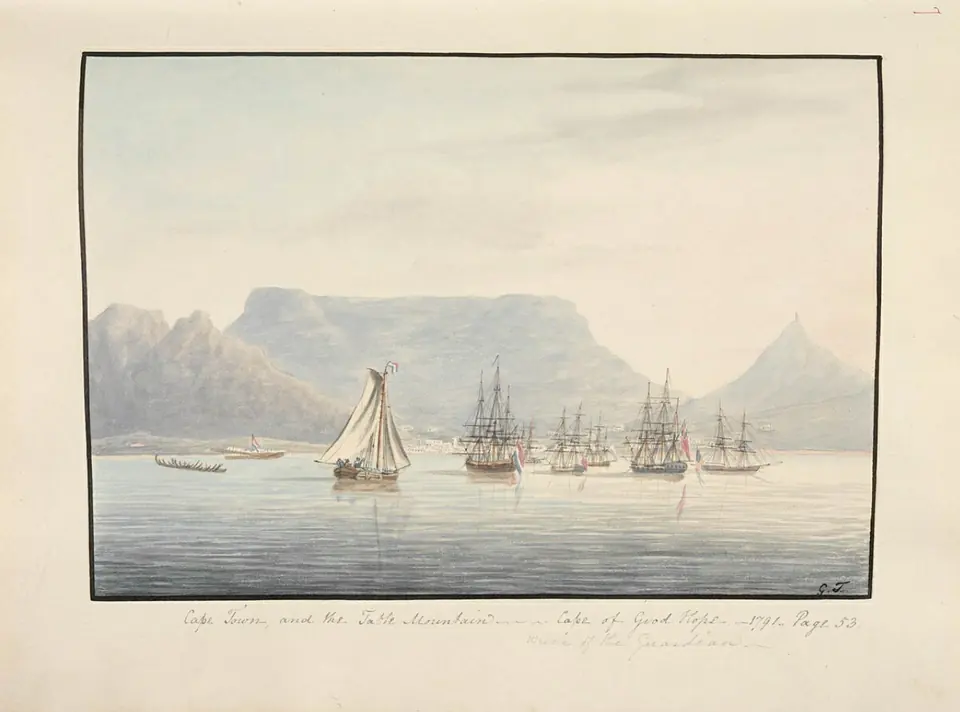
Long before Europeans arrived, the Khoikhoi herded cattle and the San hunted along these shores. In 1652 the Dutch East India Company set up a supply station here to feed ships sailing to Asia, and the settlement grew into the 'Mother City' of South Africa. The British took control in 1806, and the city became a hub of empire and trade. In the twentieth century apartheid tore communities apart: District Six, a lively mixed neighbourhood, was declared 'whites only' in 1966 and bulldozed. Nelson Mandela spent eighteen of his twenty-seven years in prison on Robben Island, visible from the waterfront, and gave his first speech as a free man from Cape Town's City Hall balcony in 1990. Today the city is one of the most diverse on the continent.
Culture
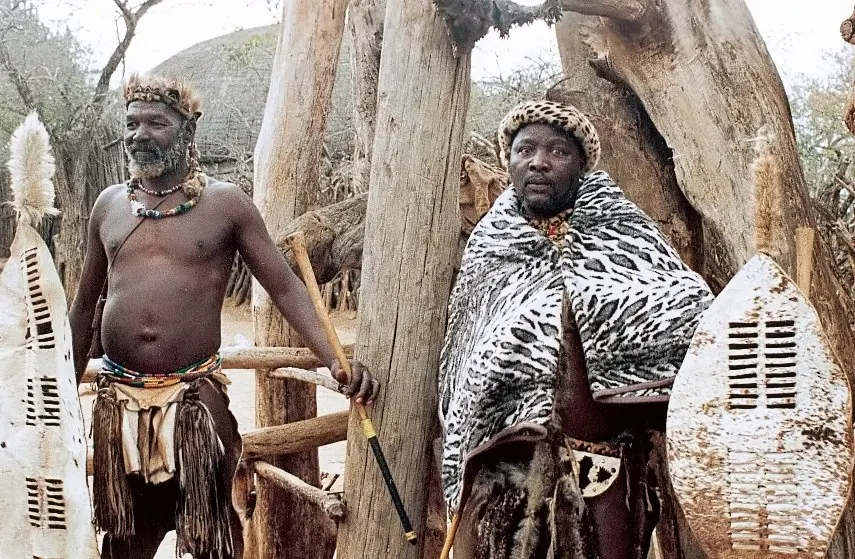
Capetonians live outdoors. Mornings start with a hike or a swim in a tidal pool, weekends with a braai, the South African barbecue. The food scene mixes Cape Malay spice, Afrikaans home cooking and fresh seafood; try a bobotie or a gatsby sandwich. The Bo-Kaap's brightly painted houses are home to a Muslim community with roots in enslaved people brought from Southeast Asia. Minibus taxis, markets and jazz bars give the city its rhythm, while the Winelands keep a slower, gentler pace.
Landmarks
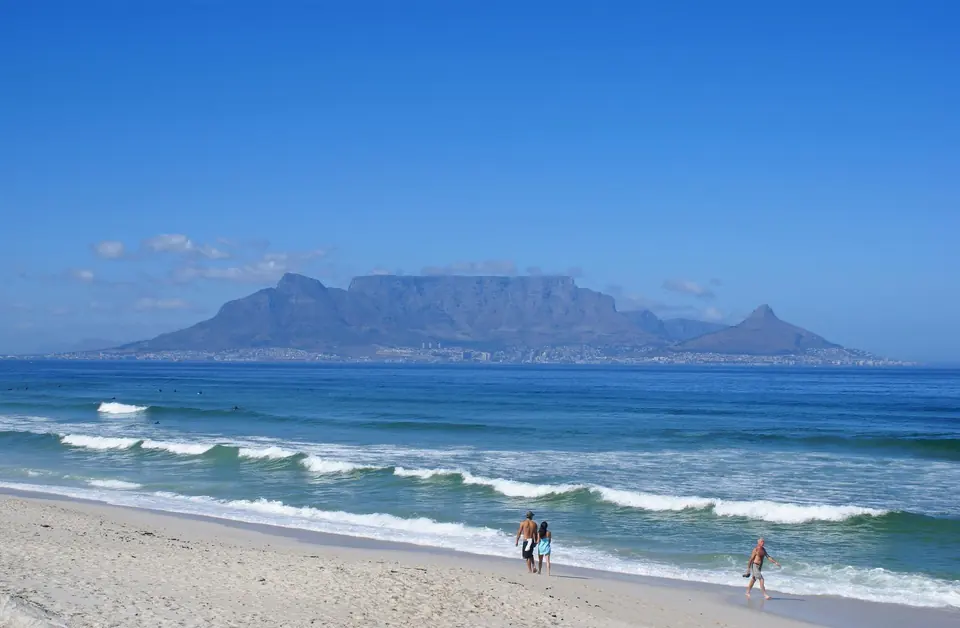
© Danie van der Merwe from Cape Town, South Africa · CC BY 2.0 Table Mountain
The flat-topped mountain above the city is part of a national park famous for its fynbos, a unique shrubland found almost nowhere else. A rotating cable car reaches the top in minutes, or you can hike up Platteklip Gorge in about two hours.
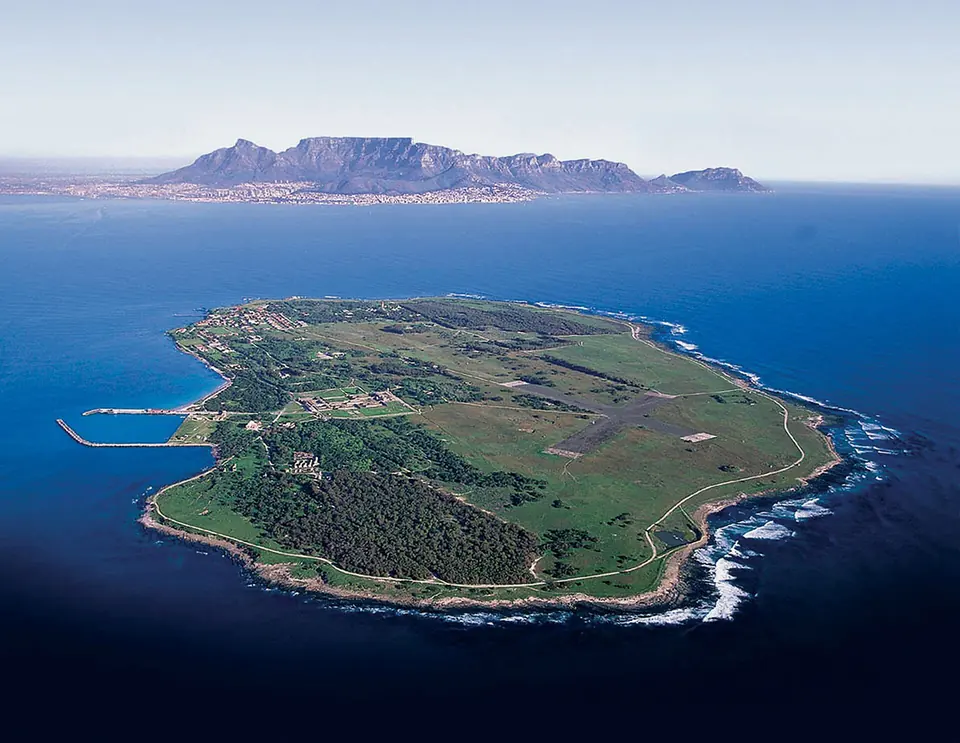
© South African Tourism from South Africa · CC BY 2.0 Robben Island
This island prison held political prisoners during apartheid, including Nelson Mandela. Former prisoners often guide the tours, which leave from the V&A Waterfront. It is a UNESCO World Heritage Site.
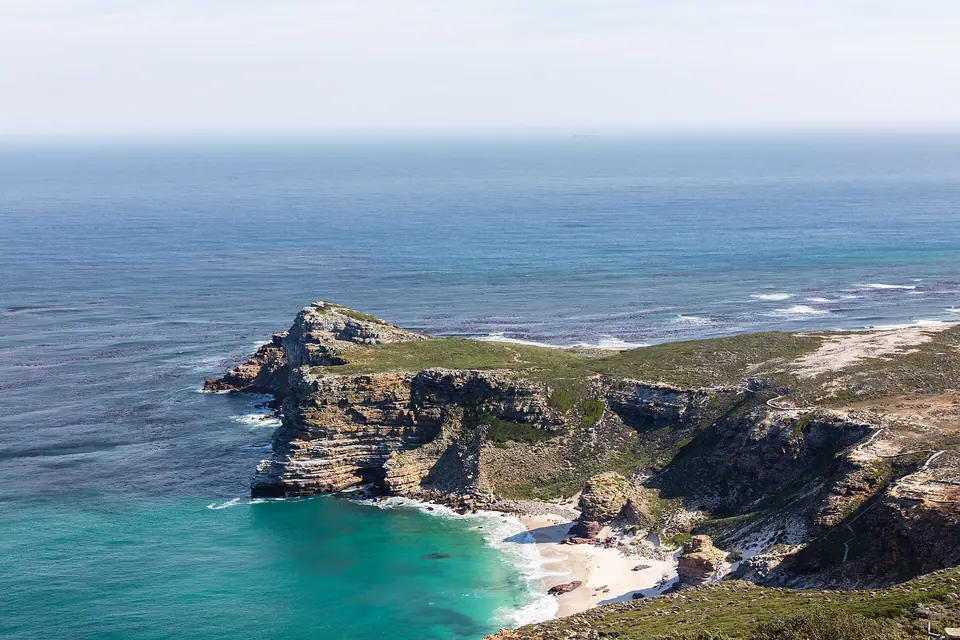
© Diego Delso · CC BY-SA 4.0 Cape of Good Hope
At the tip of the Cape Peninsula, rugged cliffs meet the Atlantic in a nature reserve where baboons, ostriches and antelope roam. Stop at Boulders Beach on the way to see its colony of African penguins.