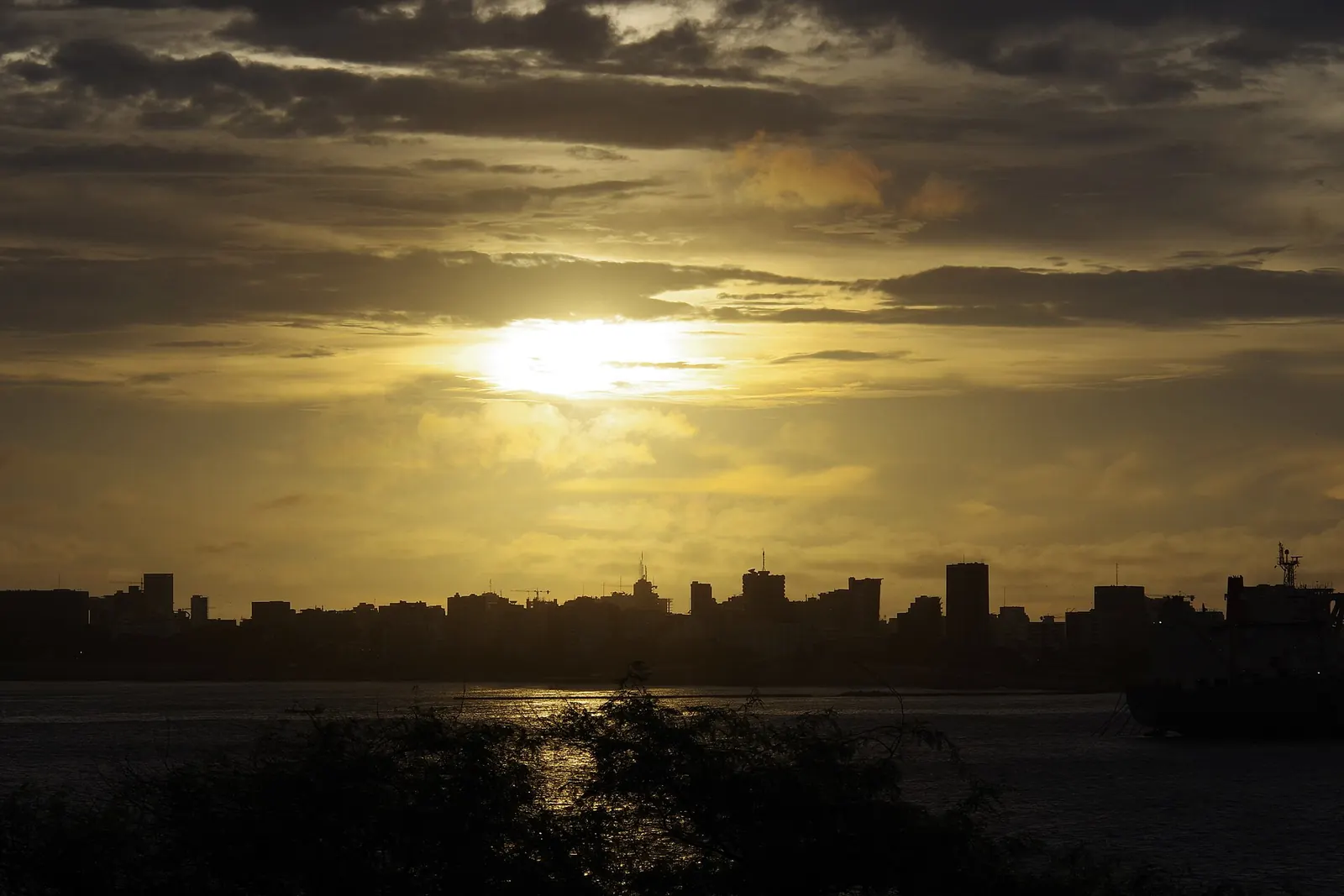
Dakar sits on the Cap-Vert peninsula, the westernmost point of mainland Africa. Take the ferry to Gorée Island, eat thieboudienne by the ocean, catch a wave at N'Gor and stay out late for live mbalax music.
Good to know
- Best time to go
- November, December, January, February, March, April and May
- Flight from New York
- about 7h 55m nonstop
- Local time
- —
- Currency
- West African CFA Franc (XOF)
- Languages
- French and Wolof
Flight time is an estimate based on distance; actual schedules vary by airline and route.
Highlights
- Gorée Island
- Live mbalax nights
- Surfing at N'Gor and Yoff
History
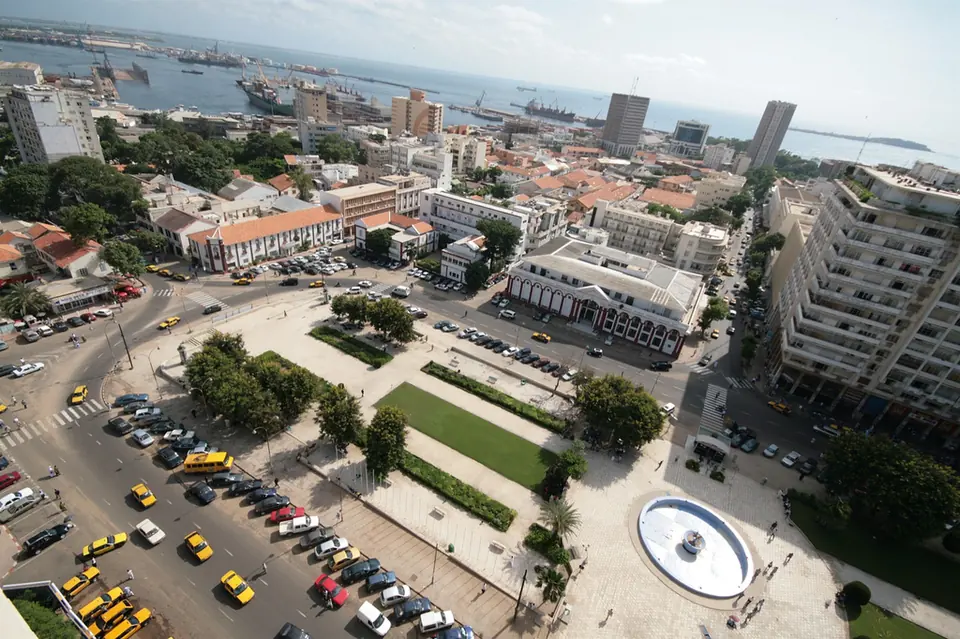
The Lebou people were fishing and farming on the Cap-Vert peninsula long before Europeans arrived. Just offshore, Gorée Island changed hands between the Portuguese, Dutch, English and French and became a symbol of the Atlantic slave trade. France founded Dakar in 1857, and in 1902 it became the capital of French West Africa, a federation stretching across eight colonies. Residents of Dakar and three other Senegalese towns held French citizenship rights early on, and in 1914 Blaise Diagne became the first Black African elected to the French parliament. Senegal gained independence in 1960 under the poet-president Léopold Sédar Senghor, a founder of the Négritude movement, and Dakar became a cultural capital of francophone Africa.
Culture

Teranga, the Wolof word for hospitality, is the heart of Senegalese life: expect to be invited to share a meal around a common bowl. Thieboudienne, rice and fish simmered in tomato with vegetables, is the national dish, followed by sweet attaya tea served in three rounds. Mbalax, the driving dance music made famous by Youssou N'Dour, fills the clubs at night. Wrestling, laamb, draws huge crowds, and the city's markets and tailors turn bold wax-print fabrics into made-to-measure outfits in a day or two.
Landmarks
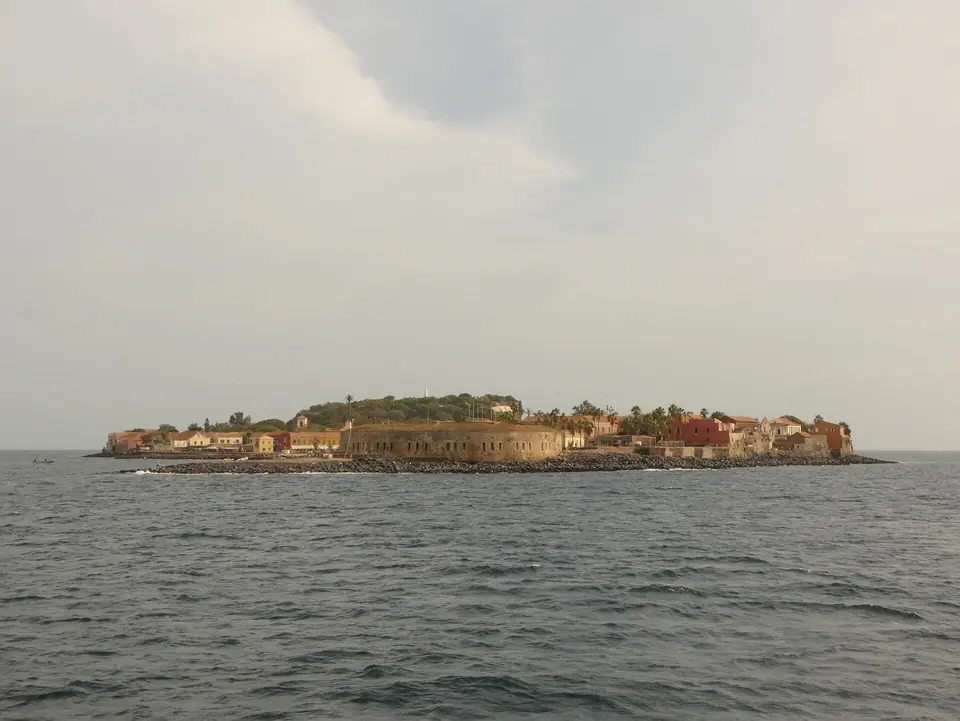
© Gregor Rom · CC BY-SA 4.0 Gorée Island
A twenty-minute ferry ride from Dakar, this car-free island of colourful colonial houses is a UNESCO World Heritage Site and a memorial to the Atlantic slave trade. The House of Slaves, with its 'Door of No Return', is its most visited site.
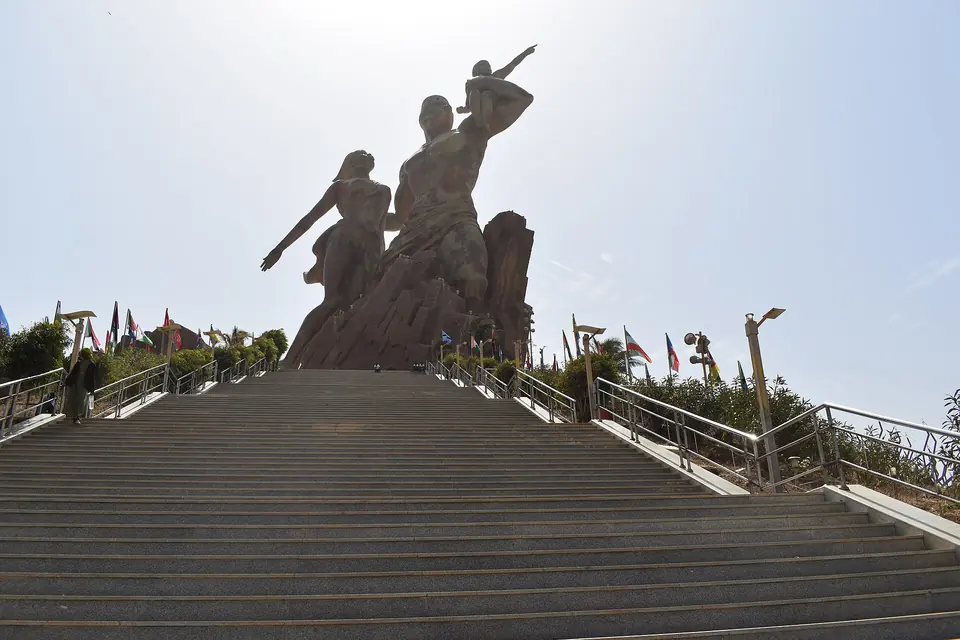
© Tafsir207 · CC BY-SA 4.0 African Renaissance Monument
Inaugurated in 2010 on one of the Mamelles hills, this bronze statue of a family facing the ocean stands about 49 metres high. An elevator climbs to a viewing platform with sweeping views of the city.
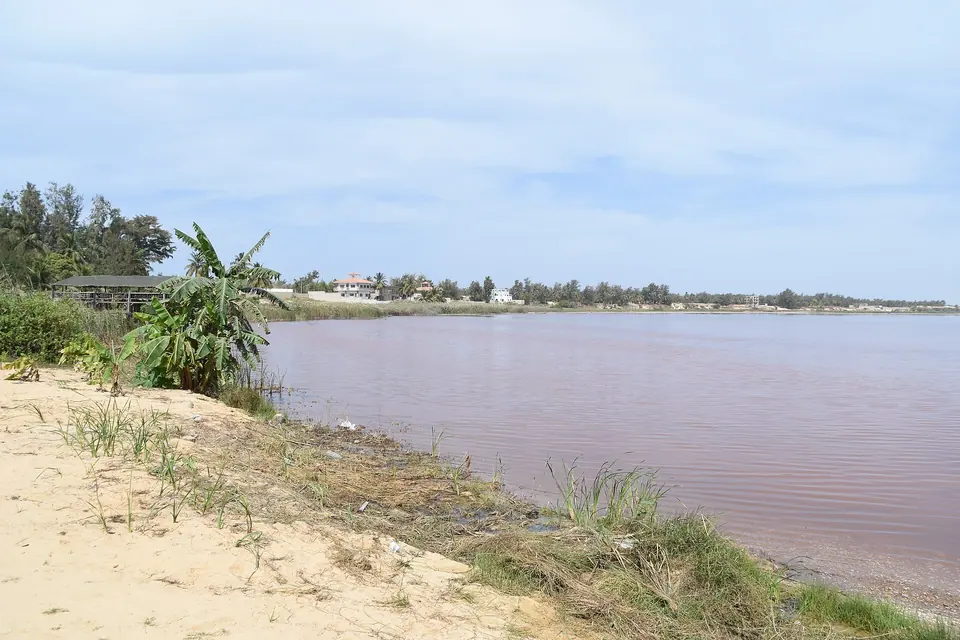
© Jjm2311 · CC BY-SA 4.0 Pink Lake (Lac Retba)
About an hour from Dakar, this shallow salt lake can glow pink in the dry season thanks to salt-loving algae. Workers harvest salt by hand from its bed, protecting their skin with shea butter.