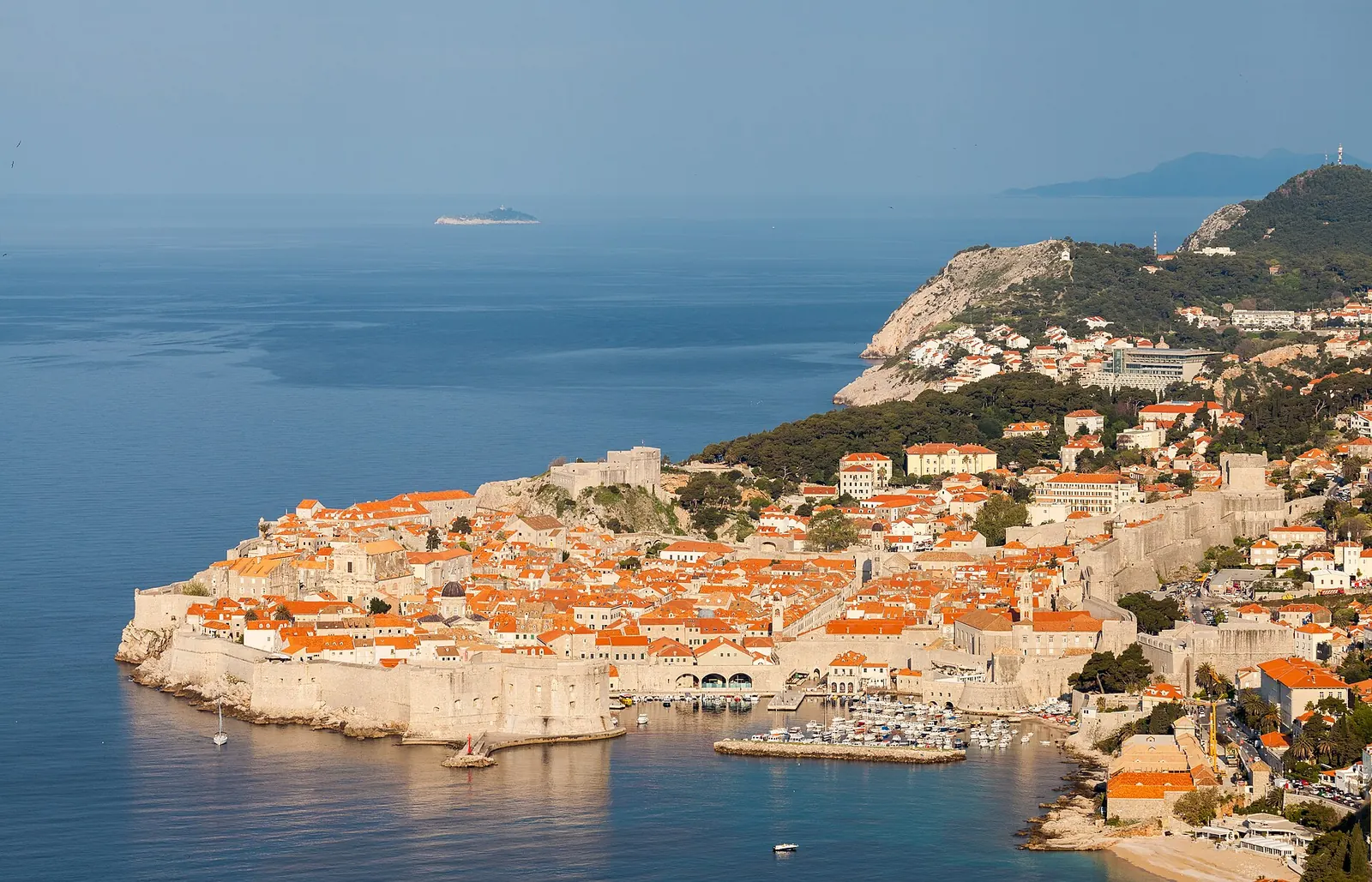
Dubrovnik's old town is wrapped in stone walls that drop straight into a sapphire sea. Walk the ramparts in the early morning, swim from the rocks, kayak around the city, and take a boat to the car-free Elafiti islands.
Good to know
- Best time to go
- May, June, September and October
- Flight from New York
- about 9h 15m nonstop
- Local time
- —
- Currency
- Euro (EUR)
- Languages
- Croatian
Flight time is an estimate based on distance; actual schedules vary by airline and route.
Highlights
- Walking the city walls
- Kayaking and swimming off the rocks
- Island hopping in the Elafiti
History
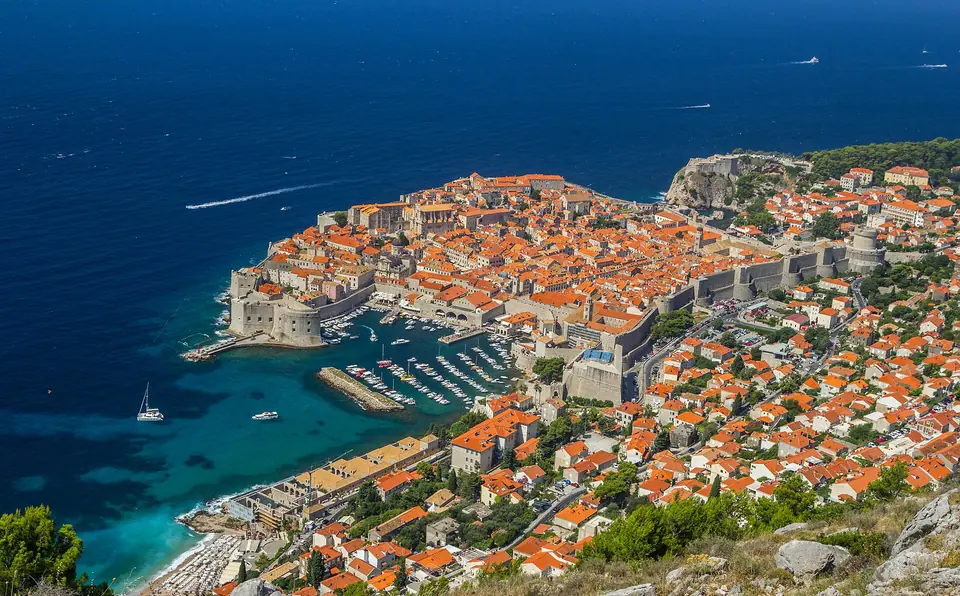
Dubrovnik grew from a seventh-century settlement founded, according to tradition, by refugees from the Roman city of Epidaurum. As the Republic of Ragusa, it became a powerful, independent maritime state that rivalled Venice, trading across the Mediterranean and paying tribute to stronger empires to stay free. Its motto was 'Liberty is not sold for all the gold in the world'. Ragusa abolished the slave trade in 1416, far ahead of most of Europe. A devastating earthquake in 1667 destroyed much of the city, which was rebuilt in the Baroque style. Napoleon ended the republic in 1808. During the siege of 1991 to 1992, in Croatia's war of independence, the old town was shelled; it has since been carefully restored.
Culture

Life in Dubrovnik follows the sea and the seasons. In summer the Dubrovnik Summer Festival fills squares and fortresses with theatre and classical music, while locals escape the crowds on the islands. Every year on 3 February the city celebrates its patron saint, Saint Blaise, with processions. Dalmatian cooking is simple and excellent: grilled fish, black risotto coloured with squid ink, oysters from nearby Ston, and local wines like plavac mali from the Pelješac peninsula.
Landmarks
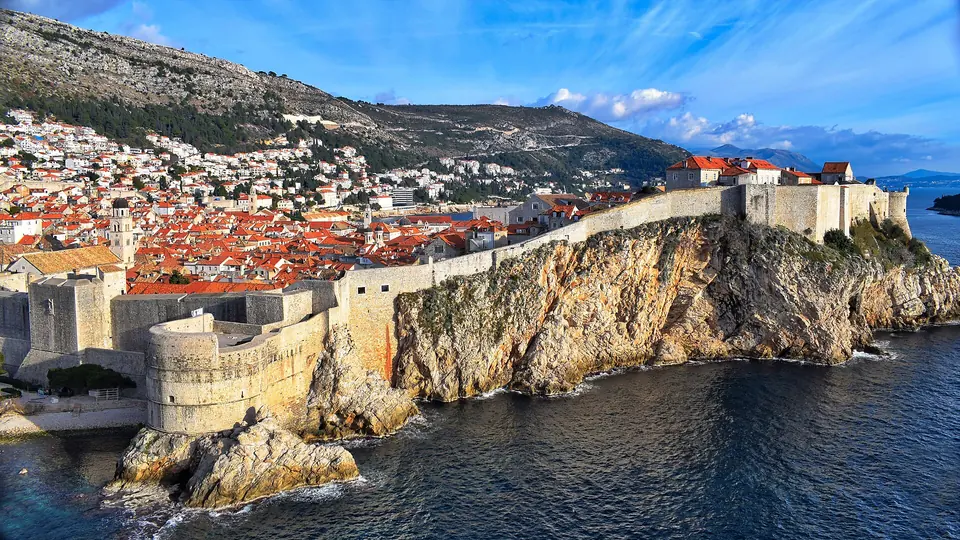
© Miroslav.vajdic · CC BY-SA 4.0 City Walls
Almost two kilometres of fortified walls circle the old town, with towers and bastions offering views over terracotta roofs and the sea. Start early or late in the day to avoid the midday heat and cruise-ship crowds.
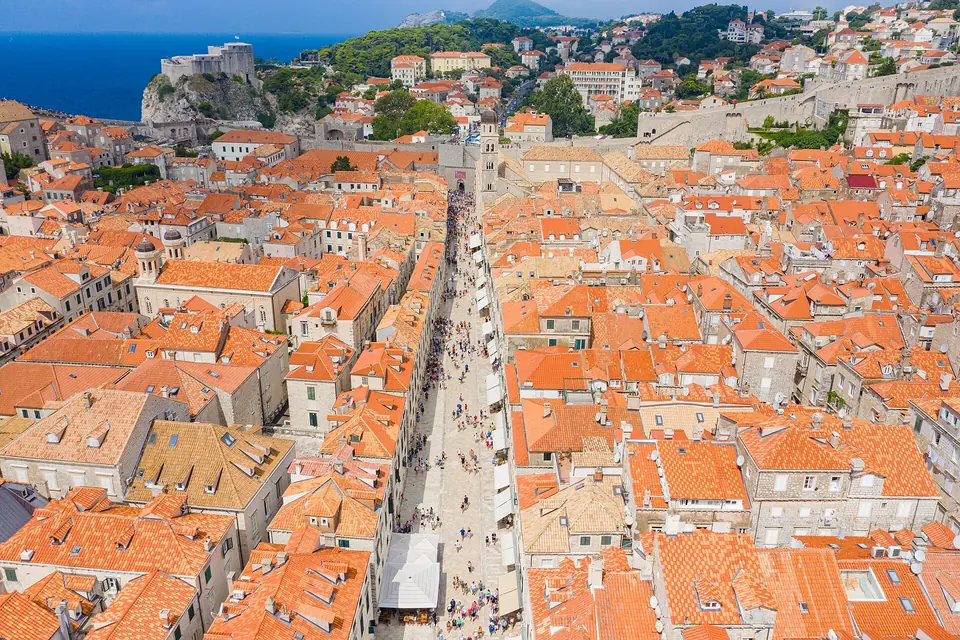
© dronepicr · CC BY 2.0 Stradun
The main street of the old town is paved with limestone polished smooth by centuries of footsteps. It runs from the Pile Gate to the Old Port, lined with shops, cafés and Baroque buildings rebuilt after the 1667 earthquake.
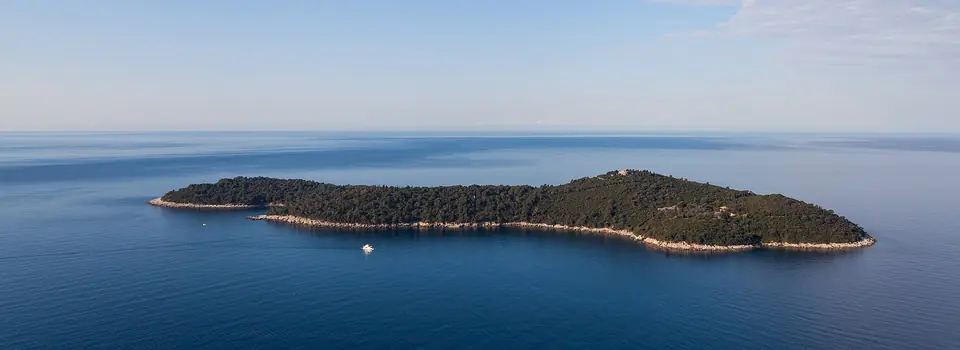
© Diego Delso · CC BY-SA 3.0 Lokrum Island
A ten-minute boat ride from the Old Port, this forested nature reserve has a Benedictine monastery, botanical gardens, rocky swimming spots and free-roaming peacocks. No one may stay overnight.