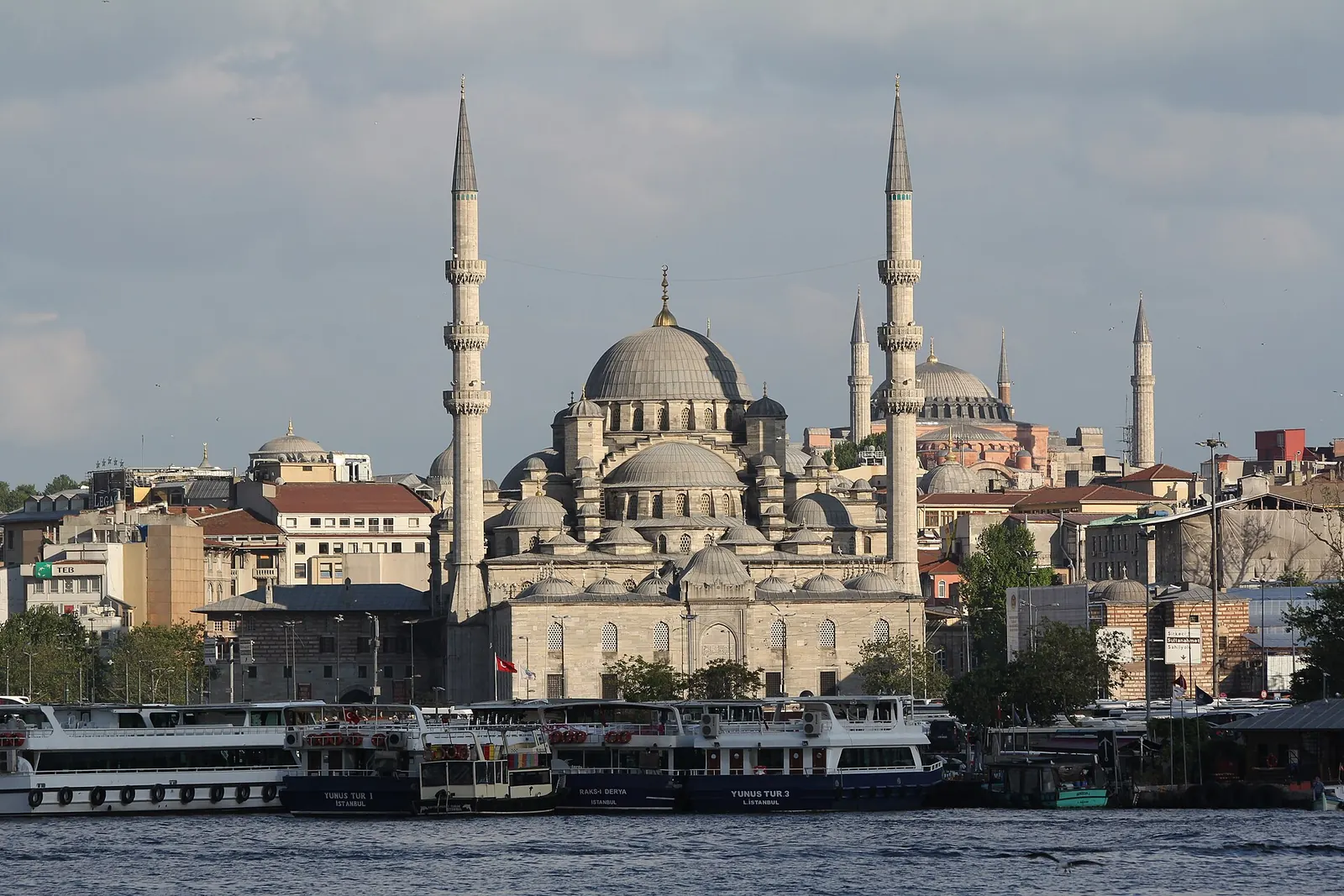
Istanbul spans two continents and three empires' worth of history. See Hagia Sophia and the Blue Mosque, haggle in the Grand Bazaar, ride a public ferry across the Bosphorus and eat your way through meze, kebabs and baklava.
Good to know
- Best time to go
- April, May, June, September, October and November
- Flight from New York
- about 10h 10m nonstop
- Local time
- —
- Currency
- Turkish Lira (TRY)
- Languages
- Turkish
Flight time is an estimate based on distance; actual schedules vary by airline and route.
Highlights
- Hagia Sophia and the Blue Mosque
- Bosphorus ferry crossings
- Grand Bazaar and Spice Bazaar
History
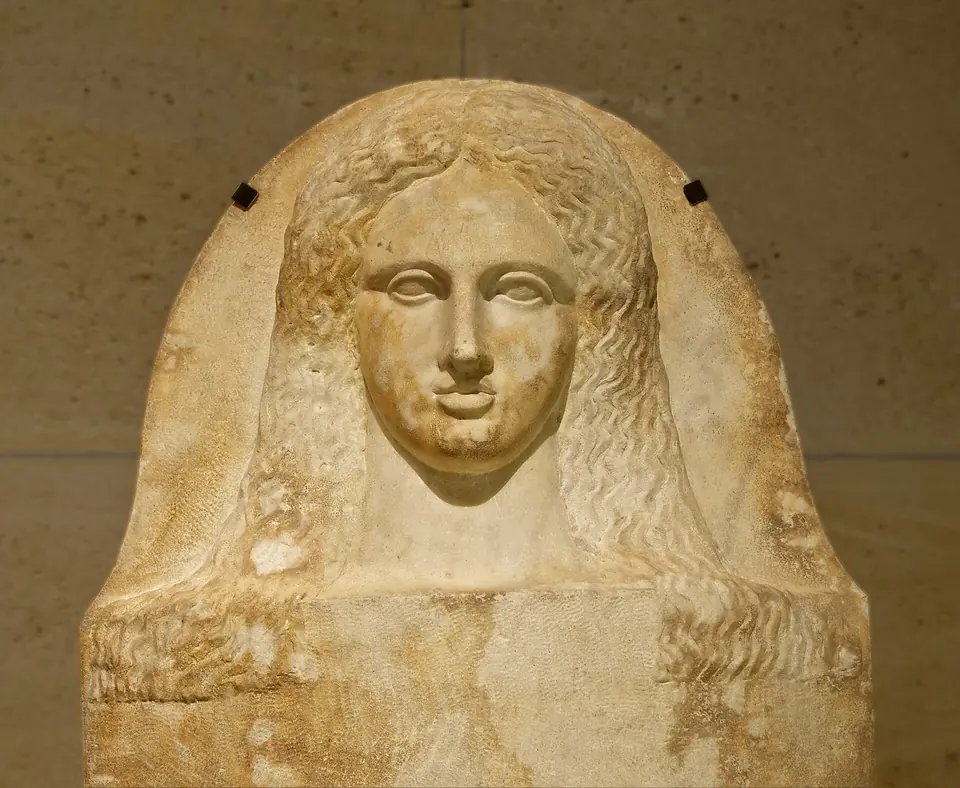
Greek colonists founded Byzantium on this strategic strait around 660 BC. In 330 the Roman emperor Constantine made it his new capital, Constantinople, and for over a thousand years it was the seat of the Byzantine Empire, the largest and wealthiest city in Europe. Emperor Justinian completed Hagia Sophia in 537. In 1453 the Ottoman sultan Mehmed II captured the city, which became the capital of an empire stretching from the Balkans to Arabia and North Africa. Sultans built magnificent mosques, palaces and bazaars, many designed by the great architect Mimar Sinan. After the empire fell, Atatürk founded the Turkish Republic in 1923 and moved the capital to Ankara, but Istanbul remains Turkey's largest city and its economic and cultural heart.
Culture
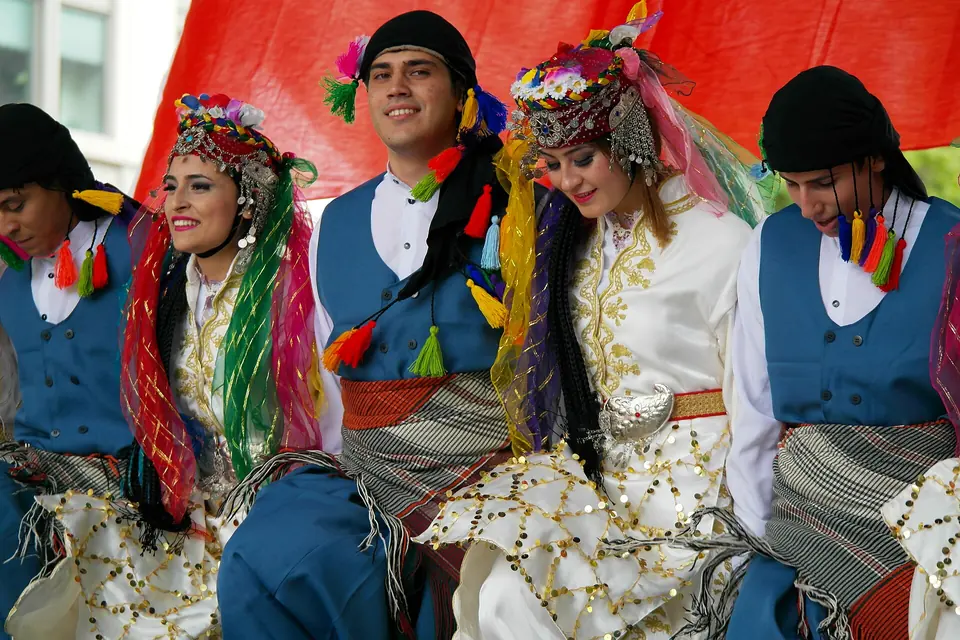
Istanbul runs on tea, served in small tulip-shaped glasses all day long, and on Turkish coffee, thick and strong. Breakfast is a feast of cheeses, olives, eggs, honey and simit, the sesame bread ring sold from street carts. Evenings mean meze and rakı by the water, or fish sandwiches grilled on boats at Eminönü. The hammam, a traditional steam bath, remains a cherished ritual. The call to prayer echoes across the city five times a day; dress modestly and remove your shoes when visiting mosques.
Landmarks
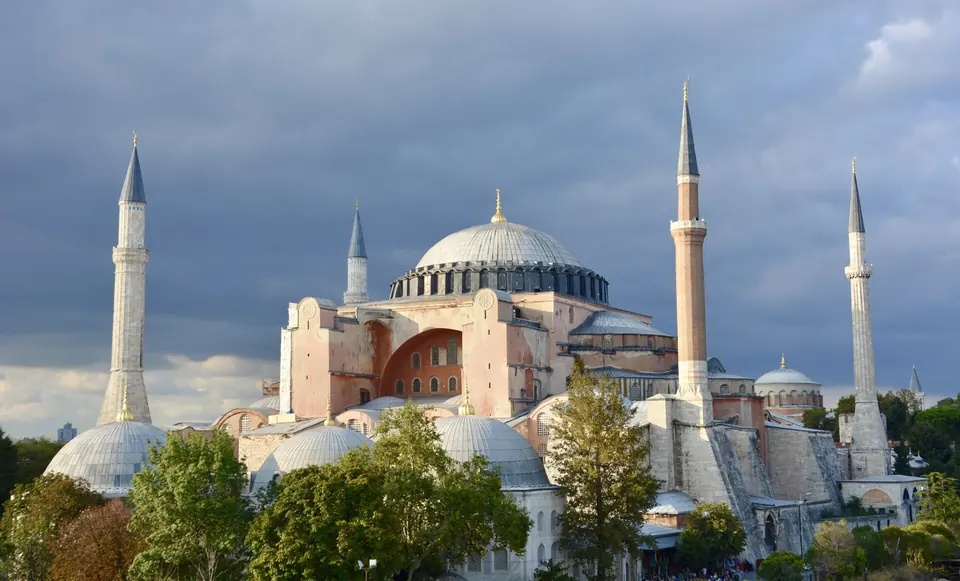
© Adli Wahid · CC BY-SA 3.0 Hagia Sophia
Built as a cathedral in 537, converted into a mosque in 1453, made a museum in 1934 and a mosque again in 2020, its vast dome was an engineering marvel. Byzantine mosaics and Ottoman calligraphy share the interior.
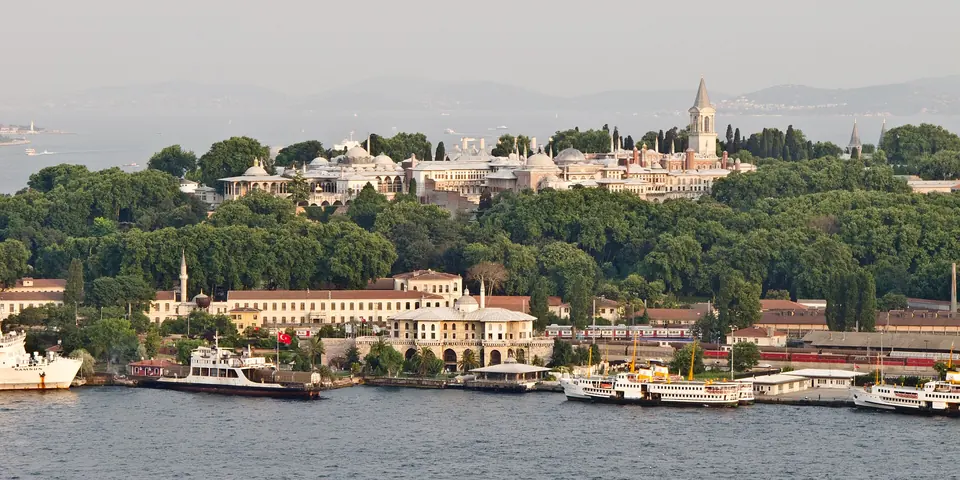
© Carlos Delgado · CC BY-SA 3.0 Topkapı Palace
For nearly four centuries this palace was the home of the Ottoman sultans. Its courtyards, harem and treasury, with the famous Topkapı Dagger and Spoonmaker's Diamond, overlook the meeting of the Bosphorus and the Golden Horn.
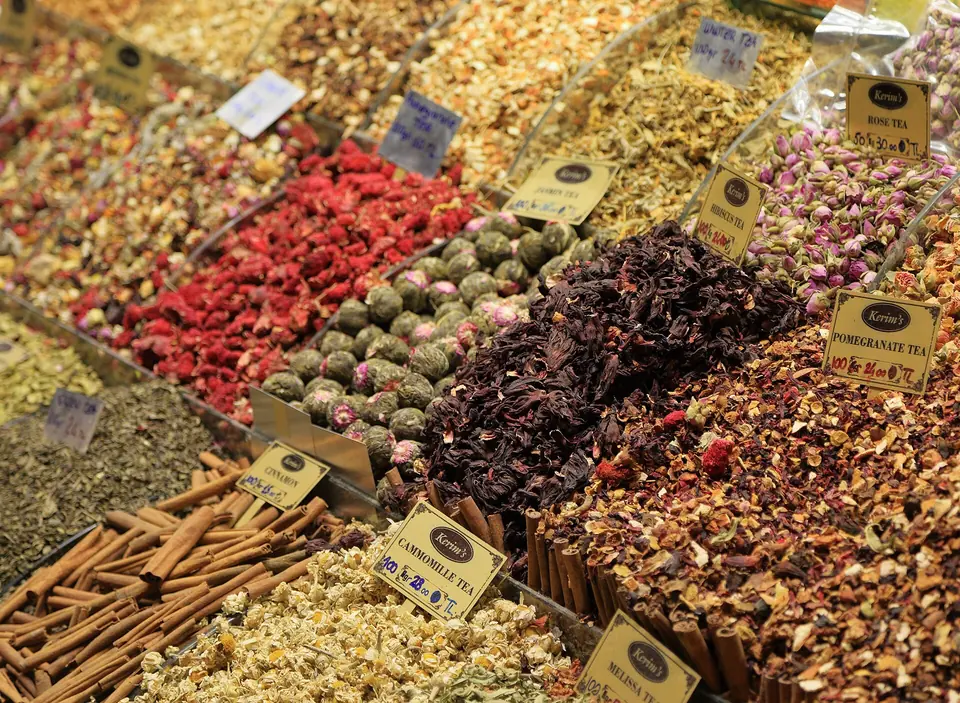
© Martin Falbisoner · CC BY-SA 4.0 Grand Bazaar
One of the oldest and largest covered markets in the world, with dozens of streets and thousands of shops selling carpets, lamps, ceramics, leather and jewellery. Bargaining is expected, over a glass of tea.