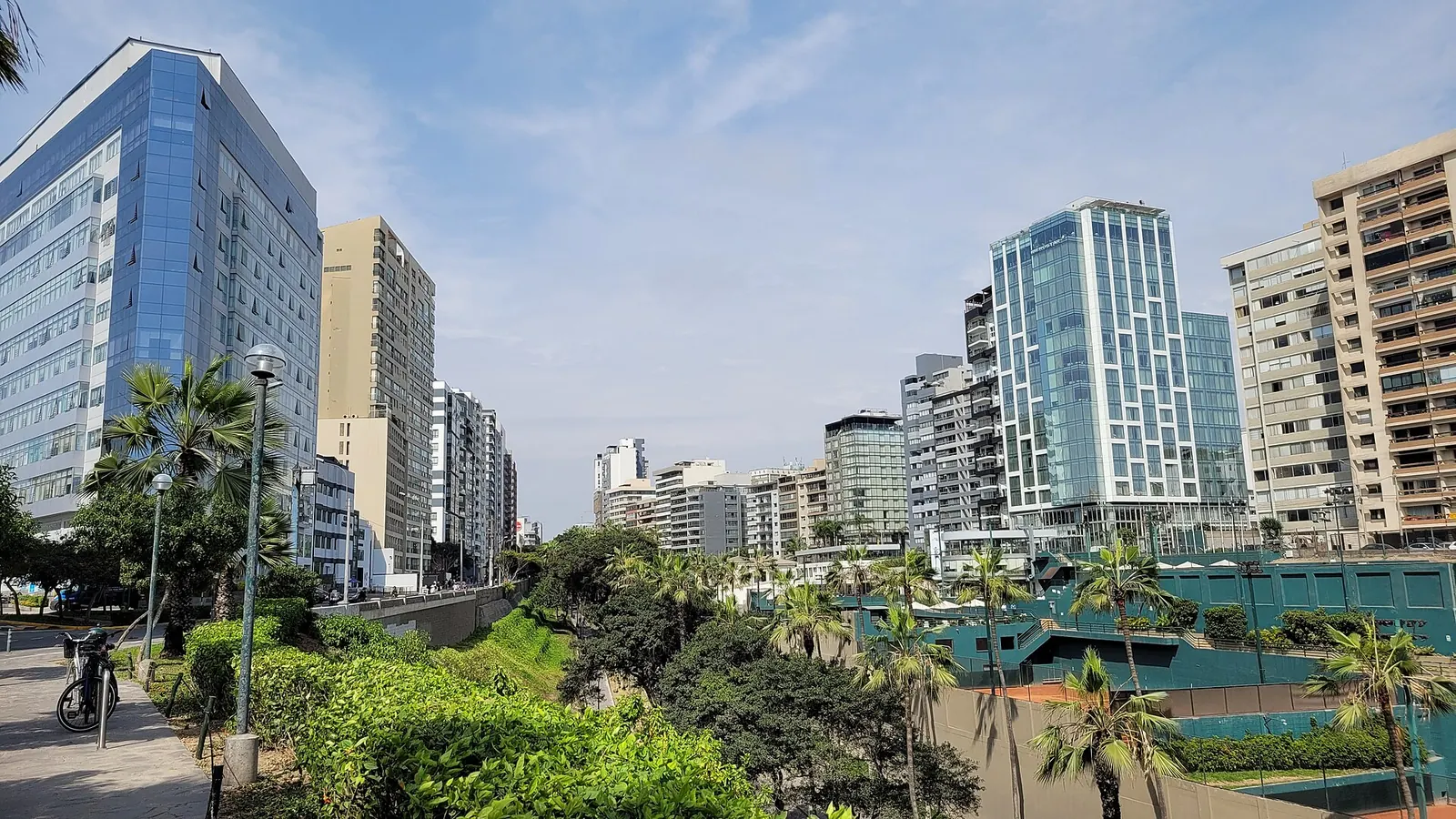
Lima is where many travellers start their journey to Cusco and Machu Picchu, but its kitchens alone are worth the trip. Eat ceviche by the sea, walk the clifftop parks of Miraflores, and explore the colonial centre and the bohemian Barranco district.
Good to know
- Best time to go
- December, January, February, March and April
- Flight from New York
- about 7h 35m nonstop
- Local time
- —
- Currency
- Peruvian Sol (PEN)
- Languages
- Spanish and Quechua
Flight time is an estimate based on distance; actual schedules vary by airline and route.
Highlights
- Ceviche and Nikkei cuisine
- Miraflores clifftop walks
- Gateway to Cusco and Machu Picchu
History
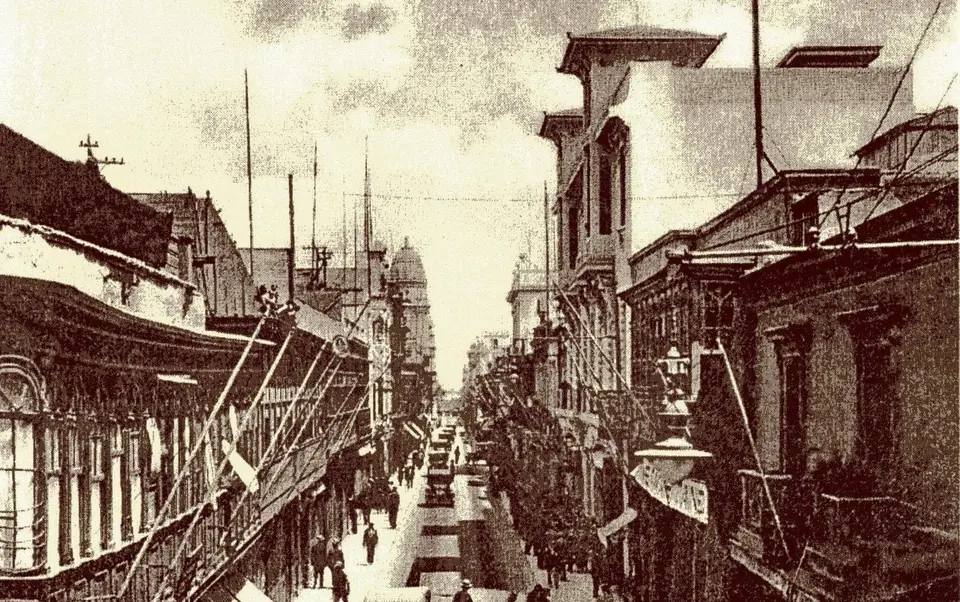
Long before the Spanish, the coast around Lima was home to cultures such as the Lima and the Ychsma, who built adobe pyramids called huacas that still stand in the city. Francisco Pizarro founded Lima in 1535, after the conquest of the Inca Empire, and named it the 'City of Kings'. As capital of the Viceroyalty of Peru, it became the richest and most powerful city in Spanish South America, filled with churches, monasteries and the continent's oldest university, San Marcos, founded in 1551. A huge earthquake in 1746 destroyed much of the city. Peru declared independence in Lima in 1821. Waves of immigration from China, Japan, Africa and Europe shaped the city's population and, above all, its cuisine.
Culture
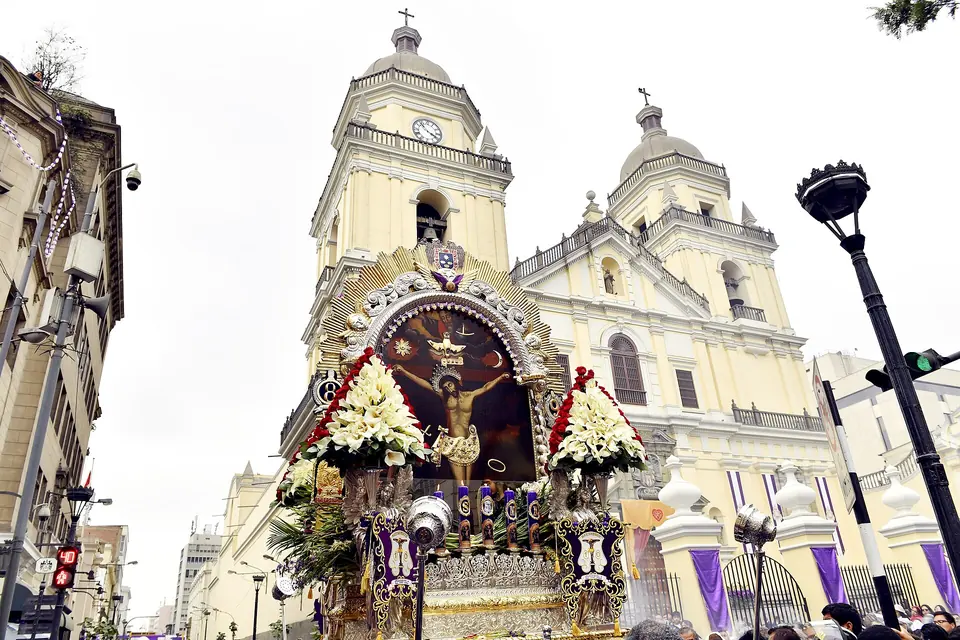
Food is Lima's passion and pride. Ceviche, raw fish 'cooked' in lime juice with chilli and red onion, is eaten at lunchtime when the fish is freshest. Chifa (Chinese-Peruvian) and Nikkei (Japanese-Peruvian) cooking show the city's immigrant roots, and lomo saltado mixes both worlds in one stir-fry. Pisco sours are the national cocktail. Barranco, the artists' district, is full of murals, galleries and peñas, where Afro-Peruvian and Creole music play late into the night.
Landmarks
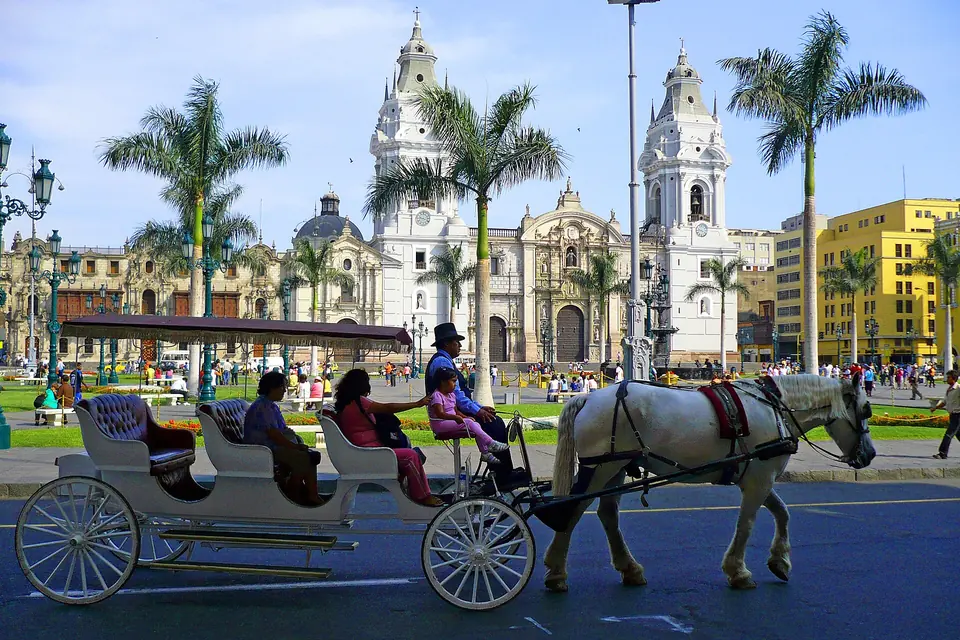
© Art DiNo from Lima, Perú · CC BY-SA 2.0 Historic Centre of Lima
A UNESCO World Heritage Site, the old centre has the Plaza Mayor, the cathedral where Pizarro is buried, and wooden balconies on colonial mansions. The catacombs of the San Francisco Monastery hold the bones of thousands.
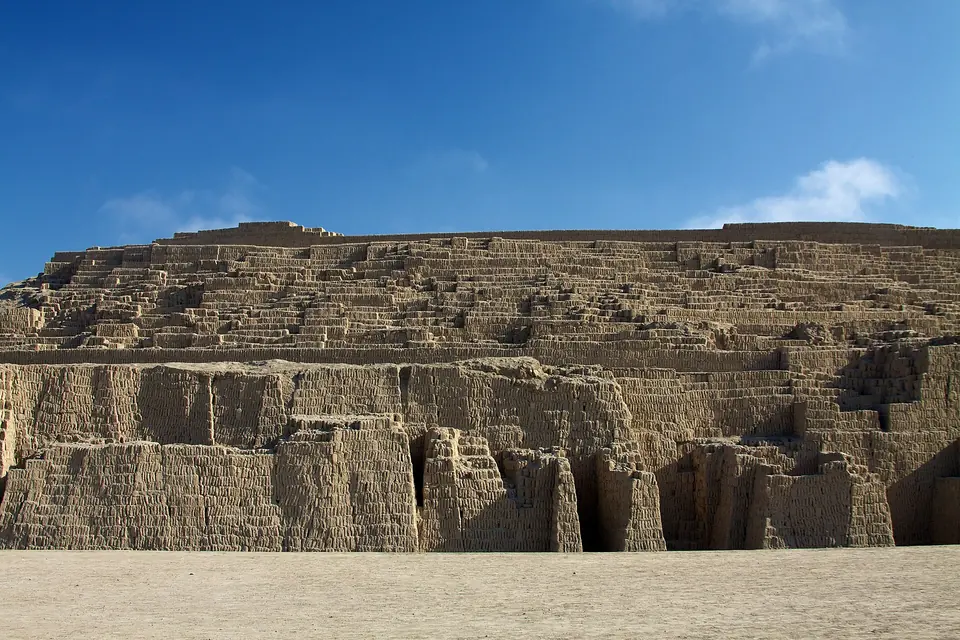
© McKay Savage · CC BY 2.0 Huaca Pucllana
This large adobe pyramid, built by the Lima culture around 1,500 years ago, rises in the middle of modern Miraflores. Guided tours explain its construction, and a restaurant on site overlooks the ruins at night.
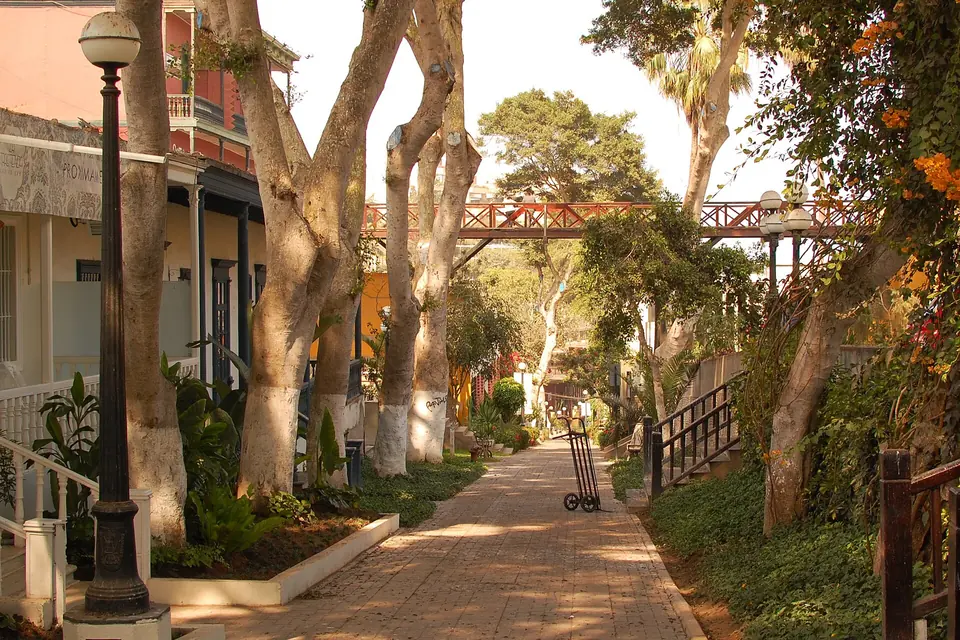
© tadekk · CC BY 2.0 Barranco
Once a seaside resort for wealthy Limeños, Barranco is now the city's bohemian heart, with colourful mansions, street art and the Bridge of Sighs. Walk down to the beach at sunset.