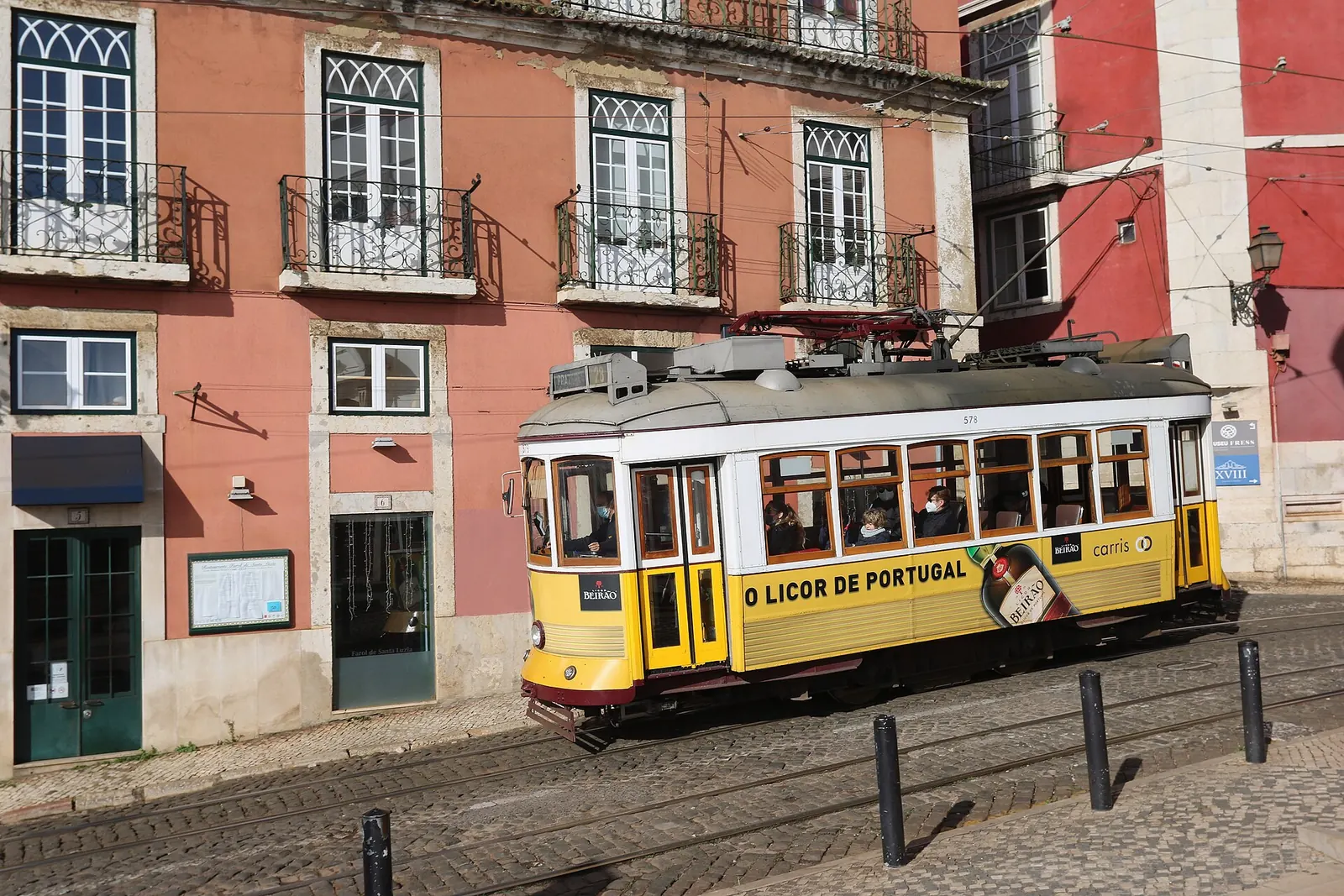
Lisbon's hills reward the climb with wide river views. Historic trams, tiled facades and an easy reach to Atlantic beaches make it a favourite for city breaks.
Good to know
- Best time to go
- April, May, June, September and October
- Flight from New York
- about 7h 00m nonstop
- Local time
- —
- Currency
- Euro (EUR)
- Languages
- Portuguese
Flight time is an estimate based on distance; actual schedules vary by airline and route.
Highlights
- Hilltop viewpoints
- Historic trams
- Nearby Atlantic beaches
History
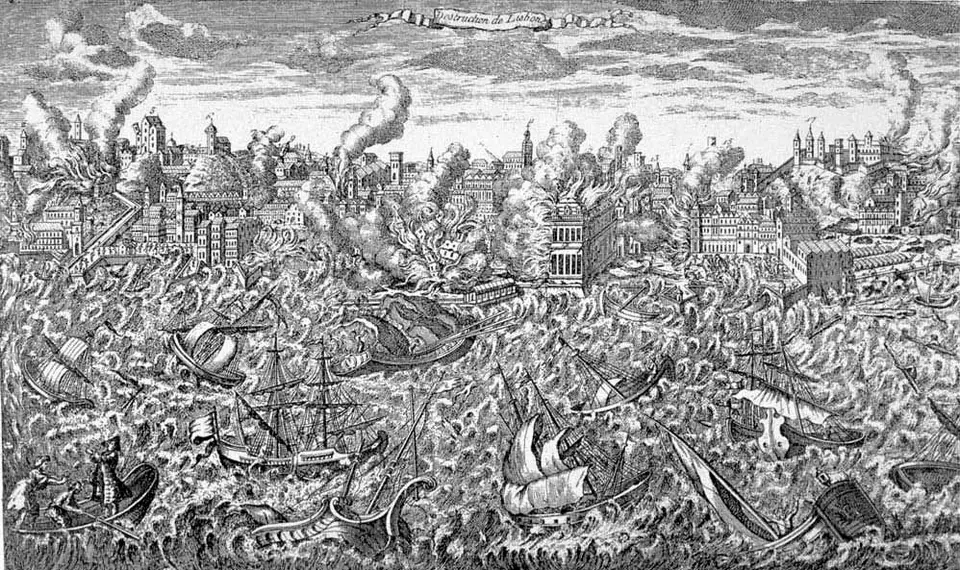
Lisbon's story starts with the river. Phoenicians traded here, Greeks named it Olisipo, and Rome made it a proper municipium — Julius Caesar's Felicitas Julia. In 711 the Moors took it, and for four centuries it was al-Ushbuna, a walled medina whose tight lanes survive in today's Alfama. Christian forces under Afonso Henriques seized it in 1147, and from this harbor Portugal launched the venture that remade the world: in 1498 Vasco da Gama reached India, and Manuel I poured spice-trade wealth into the limestone fantasies of Belém. Then came 1 November 1755 — earthquake, tsunami, and fire in a single morning. The Marquês de Pombal rebuilt downtown on a rational grid, the world's first earthquake-resistant city, with a single order: 'Bury the dead and feed the living.' The 20th century brought the long Estado Novo dictatorship, ended almost bloodlessly on 25 April 1974, when soldiers put carnations in their rifle barrels. EU membership in 1986 opened the taps of renewal. Today's Lisbon wears every layer at once: Moorish alley, Manueline cloister, Pombaline façade, azulejo, fado.
Culture
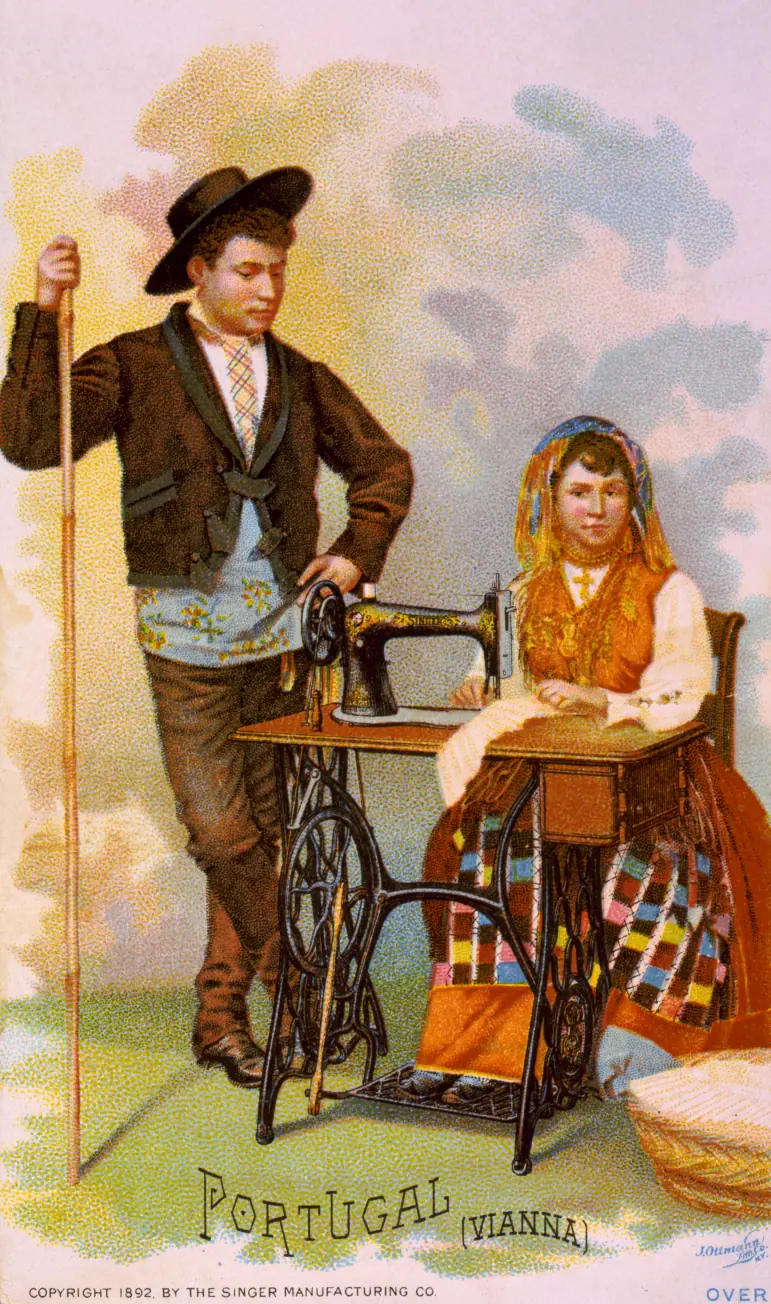
Lisbon runs on small pleasures taken slowly. The day starts with a bica — a short, strong espresso — drunk standing at the counter, because sitting costs more and standing tastes better. Lunch stretches: grilled sardines in June, when the whole city smells of charcoal for the Santo António festivals, or a tasca counter where the menu is whatever the owner felt like cooking. Afternoons drift toward the miradouros, the tiled viewpoints where old men argue about Benfica and teenagers pass wine in plastic cups as the Tagus turns to hammered copper. Fado still leaks from cellar taverns in Alfama and Mouraria — twelve-string guitar, a voice, and a room that goes silent. The Atlantic is twenty minutes away by train, and locals use it: surfboards on the suburban railway to Costa da Caparica, Sunday cataplana in Cascais. What defines the lisboeta is a particular shrug toward hurry — desenrascanço, the art of getting by with style — and a devotion to the neighborhood: the café, the corner, the view.
Landmarks
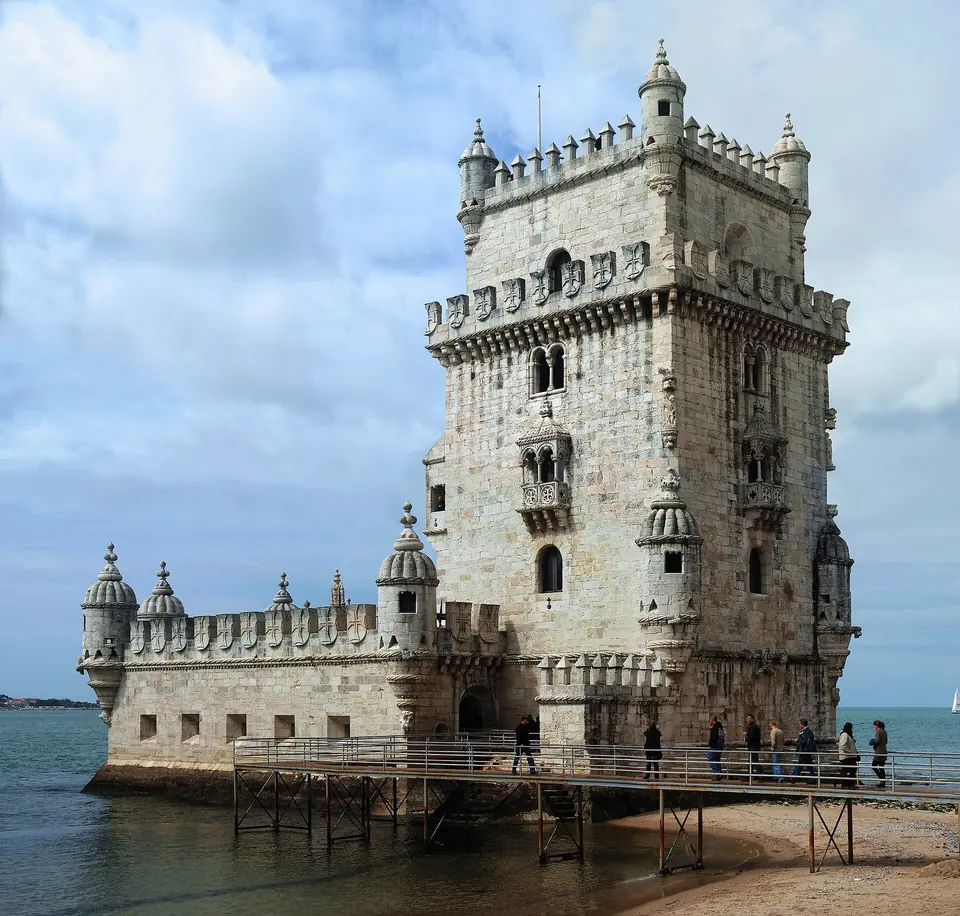
© Alvesgaspar · CC BY-SA 3.0 Belém Tower
Built between 1515 and 1519 under Manuel I, this limestone fortress guarded the mouth of the Tagus at the height of the spice trade. Its Manueline stonework — ropes, knots, armillary spheres — is Portugal's Age of Discovery carved in rock. Ships bound for India and Brazil weighed anchor in its shadow; UNESCO listed it in 1983.
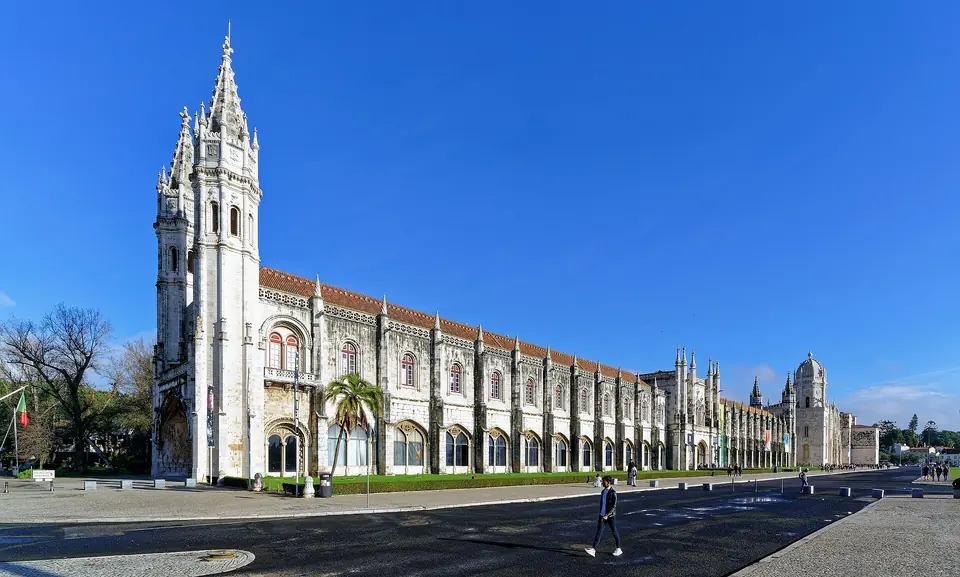
© Holger Uwe Schmitt · CC BY-SA 4.0 Jerónimos Monastery
Commissioned by Manuel I and funded by the pepper trade, this is the masterpiece of Manueline architecture, begun in 1502. Vasco da Gama is entombed here, as is the poet Luís de Camões. The two-story cloister — every column a different carved fantasy — survived the 1755 earthquake intact; the monks' prayers were said to have protected it.
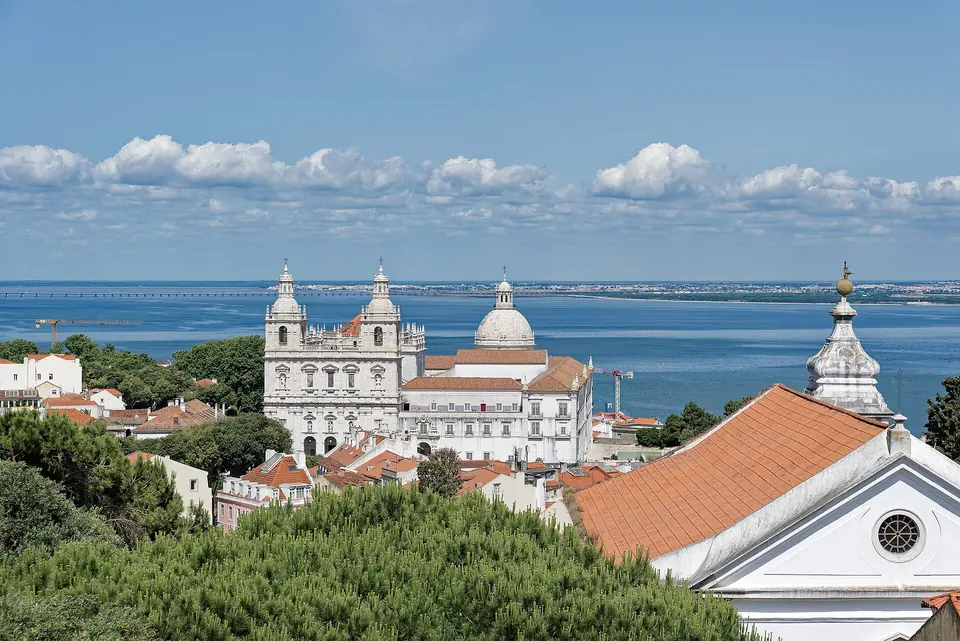
© Jakub Hałun · CC BY 4.0 São Jorge Castle & Alfama
The castle's walls date to the 11th-century Moorish alcáçova, though Romans and Visigoths fortified the hill before. Below it, Alfama is the old Islamic quarter that survived 1755: a maze of alleys, whitewashed houses, and fado taverns. Climb at dusk, when the river goes gold and swallows cut across the ramparts.
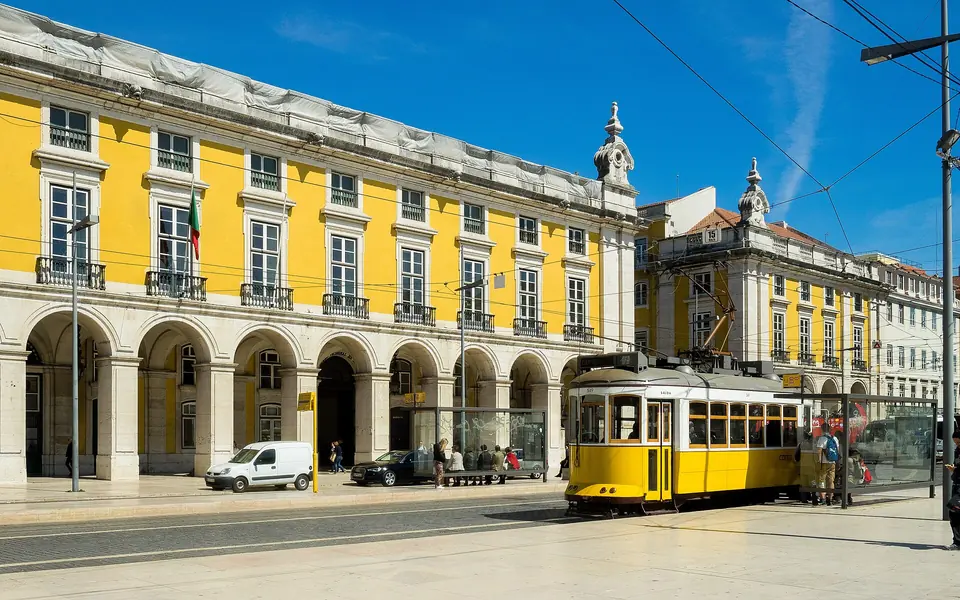
© Ajay Suresh from New York, NY, USA · CC BY 2.0 Tram 28
The yellow Remodelado cars, built in the 1930s, rattle on a route threading Martim Moniz to Prazeres through Alfama, Baixa, and Estrela — squeezing past corners the modern city forgot to straighten. It's public transport, not a ride, which is exactly why it matters: the screech of brakes on the Rua da Conceição curves is Lisbon's own soundtrack.
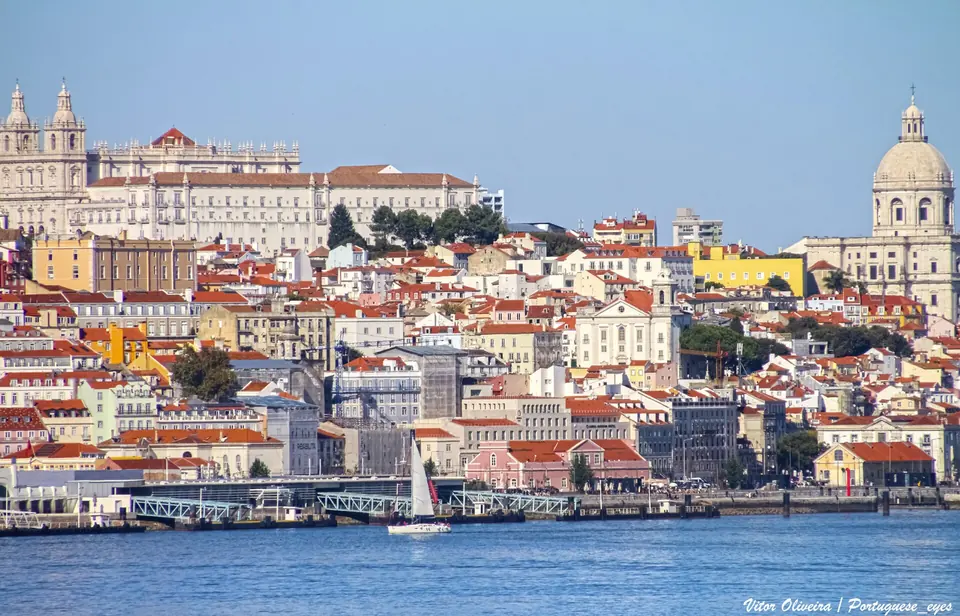
© Vitor Oliveira from Torres Vedras, PORTUGAL · CC BY-SA 2.0 LX Factory
A 19th-century thread-and-textile complex under the 25 de Abril bridge, reborn in 2008 as the city's creative quarter: bookshops, studios, and restaurants in the old factory sheds. Sunday's market fills the central street. The clearest proof that Lisbon's industrial bones make excellent cultural ones.
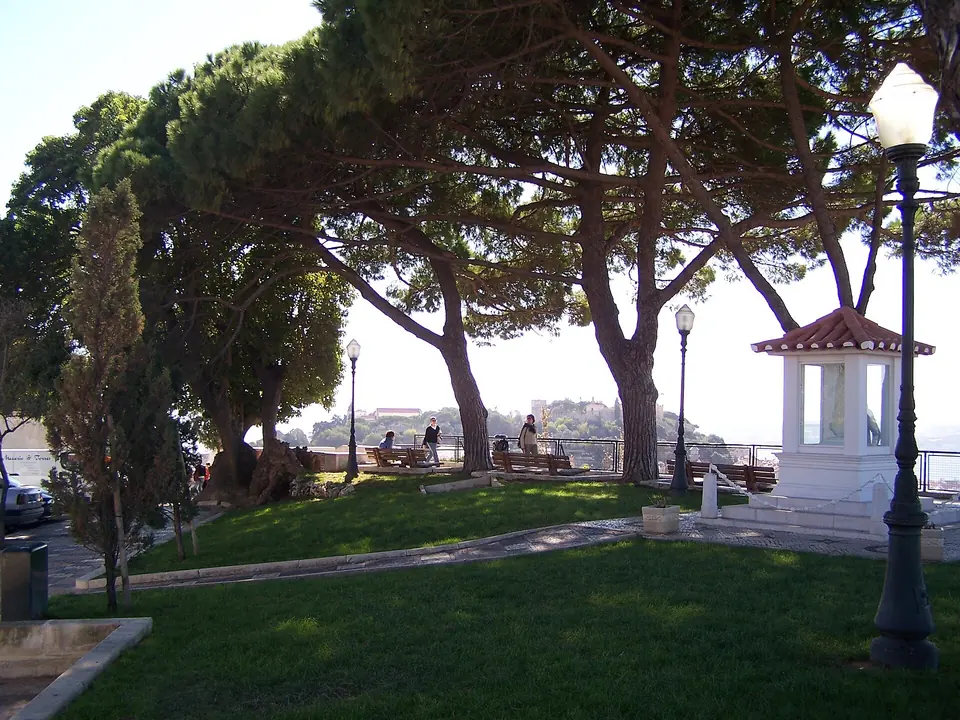
© Filipe Rocha · CC BY-SA 3.0 Miradouro da Senhora do Monte
The highest of Lisbon's viewpoints, in Graça, looking down over São Jorge Castle to the river and the far bank. Pine shade, tiled panels, and usually a guitarist. Come at sunset with nothing planned — this is the view the postcards keep trying to catch.
Official visitor resources
Official tourism boards and visitor bureaus.