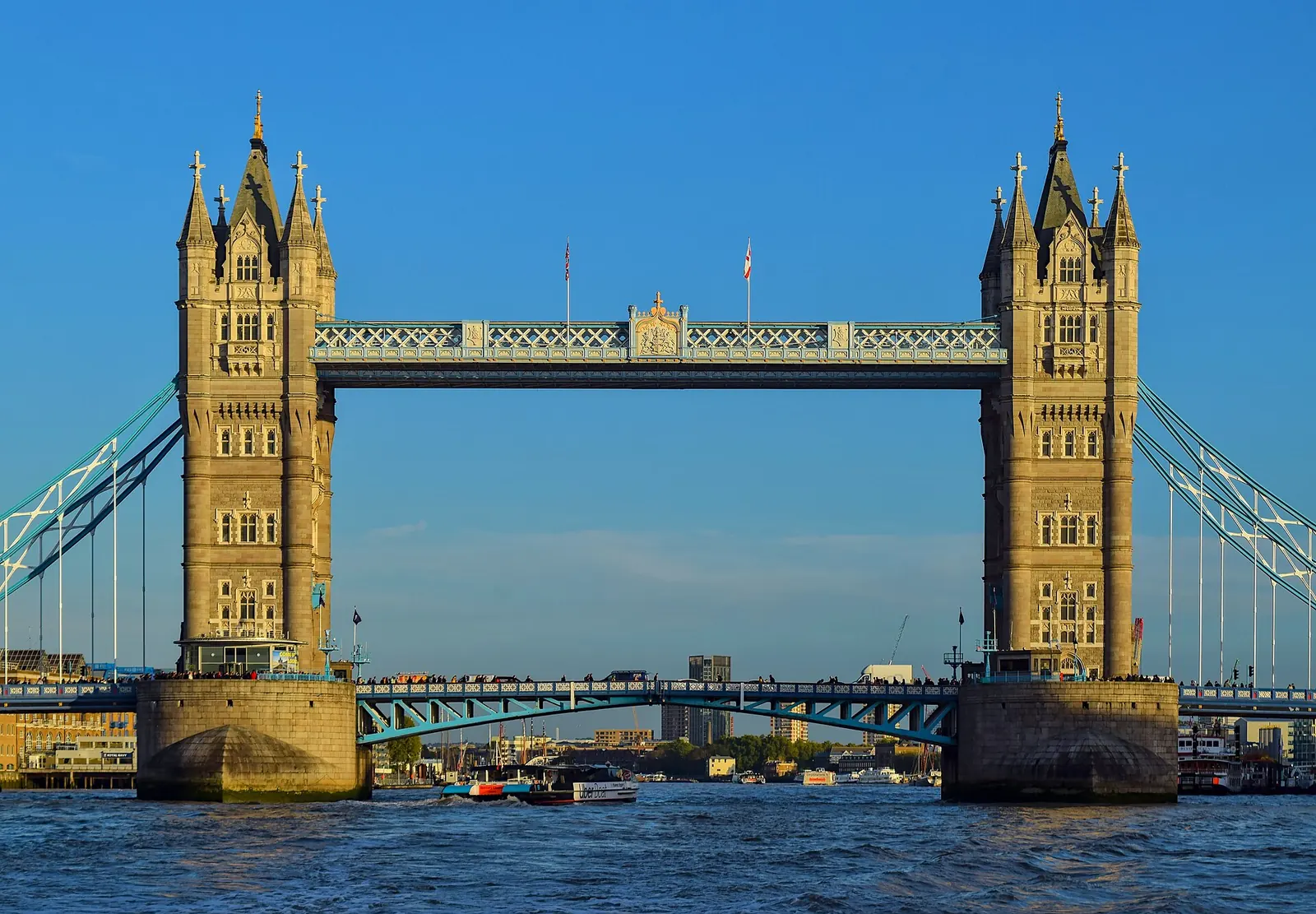
London blends centuries of history with a constantly changing food and arts scene. Many major museums are free to enter, and the parks offer green space in every direction.
Good to know
- Best time to go
- May, June, July, August and September
- Flight from New York
- about 7h 10m nonstop
- Local time
- —
- Currency
- British Pound (GBP)
- Languages
- English
Flight time is an estimate based on distance; actual schedules vary by airline and route.
Highlights
- Free national museums
- West End theatre
- Riverside walks on the South Bank
History
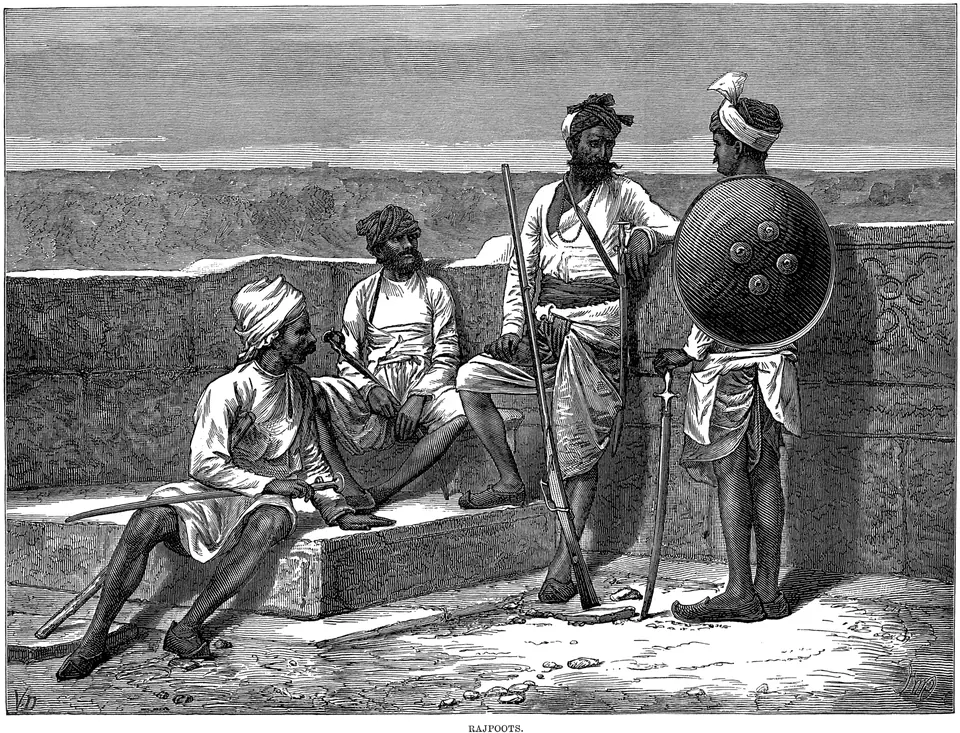
London was founded as Londinium around 43 AD, a Roman bridgehead on the Thames that Boudica burned to the ground within twenty years — the charred layer is still visible in excavations. The Normans raised the Tower of London after 1066 to cow the city; the medieval square mile grew rich on wool and trade. The Great Fire of 1666 destroyed four-fifths of the old city in four days, and Christopher Wren rebuilt 52 churches including St Paul's. Georgian London laid out its great squares; Victorian London became the capital of an empire, the largest city on earth, fed by the docks and the world's first underground railway (1863). The Blitz of 1940–41 killed 30,000 Londoners and flattened the East End. Postwar, the Windrush generation reshaped the city's culture, the Sixties made it the capital of pop, and the Docklands became Canary Wharf. You feel it in the street plan: Roman wall fragments by the Barbican, medieval alleys in the City, Victorian terraces for miles.
Culture
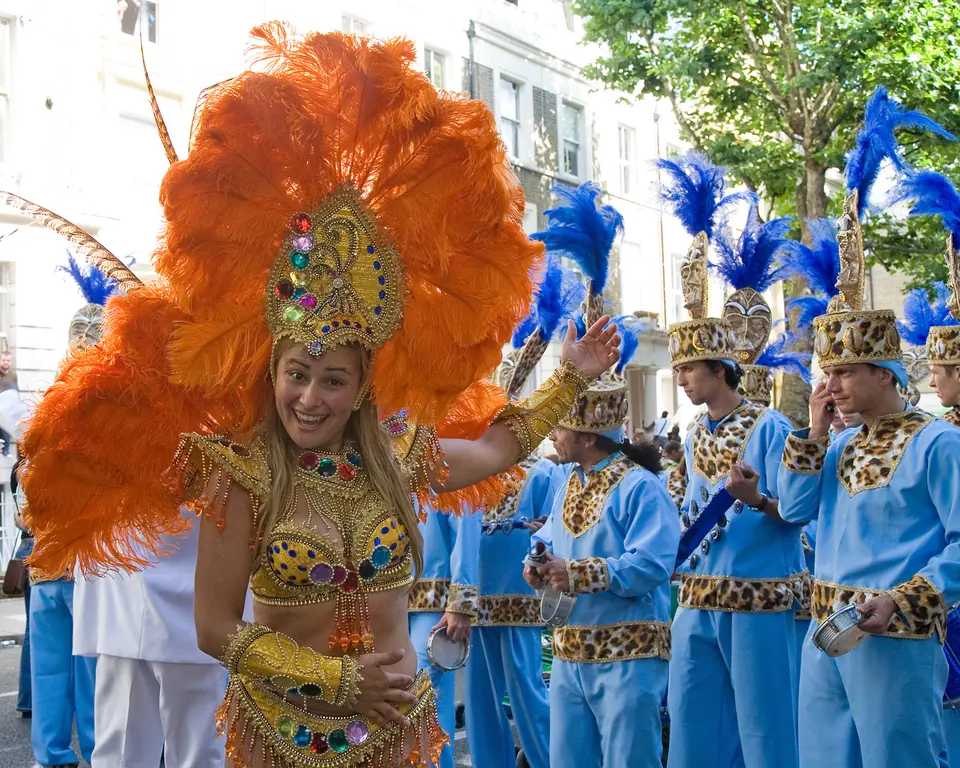
London runs on the pub — the local is a community hall where deals, wakes and football are all conducted over a pint of bitter, and last orders still shape the evening. Mornings mean the commute, a choreography of newspapers and silence on the Tube. The Sunday roast, preferably in a pub with a dog asleep by the fire, remains a civic duty. The city's 300-plus languages surface in its food: pie and mash in the East End, curry houses on Brick Lane, Sichuan in Soho. Markets set the weekly rhythm — flowers at Columbia Road on Sunday, antiques at Portobello on Saturday, Borough's food hall whenever hunger strikes. The great museums are free and used like libraries; the parks — Hyde Park, Hampstead Heath, Richmond — are the city's lungs and its debating chambers. Theatre is not an occasion but a habit: twenty-pound day seats at the National, Shakespeare under the sky at the Globe.
Landmarks
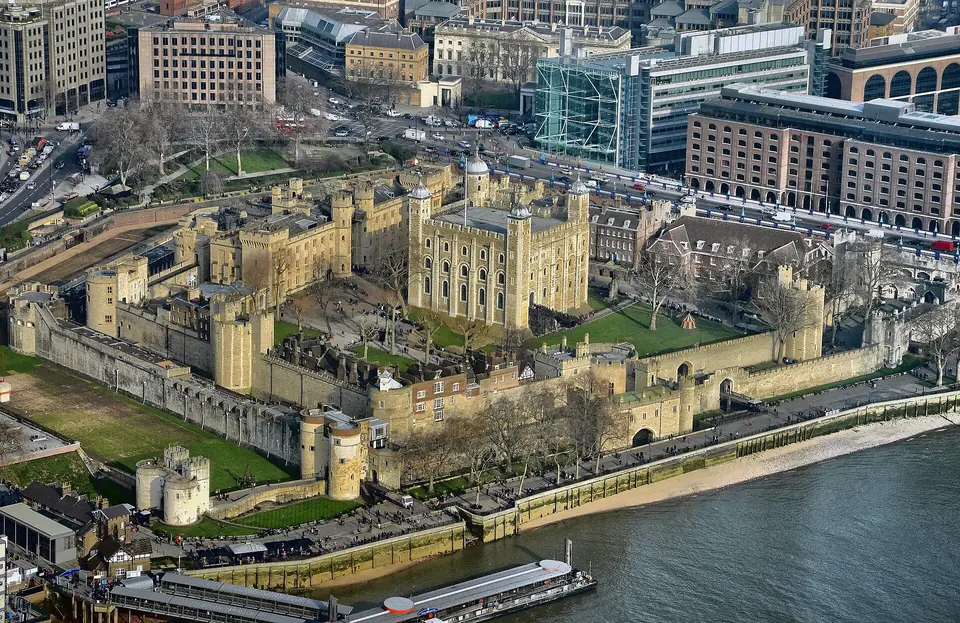
© [Duncan] from Nottingham, UK · CC BY 2.0 Tower of London
William the Conqueror's White Tower (c. 1078) was built to intimidate Londoners, and it worked — it has been fortress, palace, prison and execution ground. Anne Boleyn lost her head on Tower Green in 1536. The Crown Jewels glitter in the Waterloo Barracks, guarded by the Beefeaters, whose ravens are said to keep the kingdom standing.
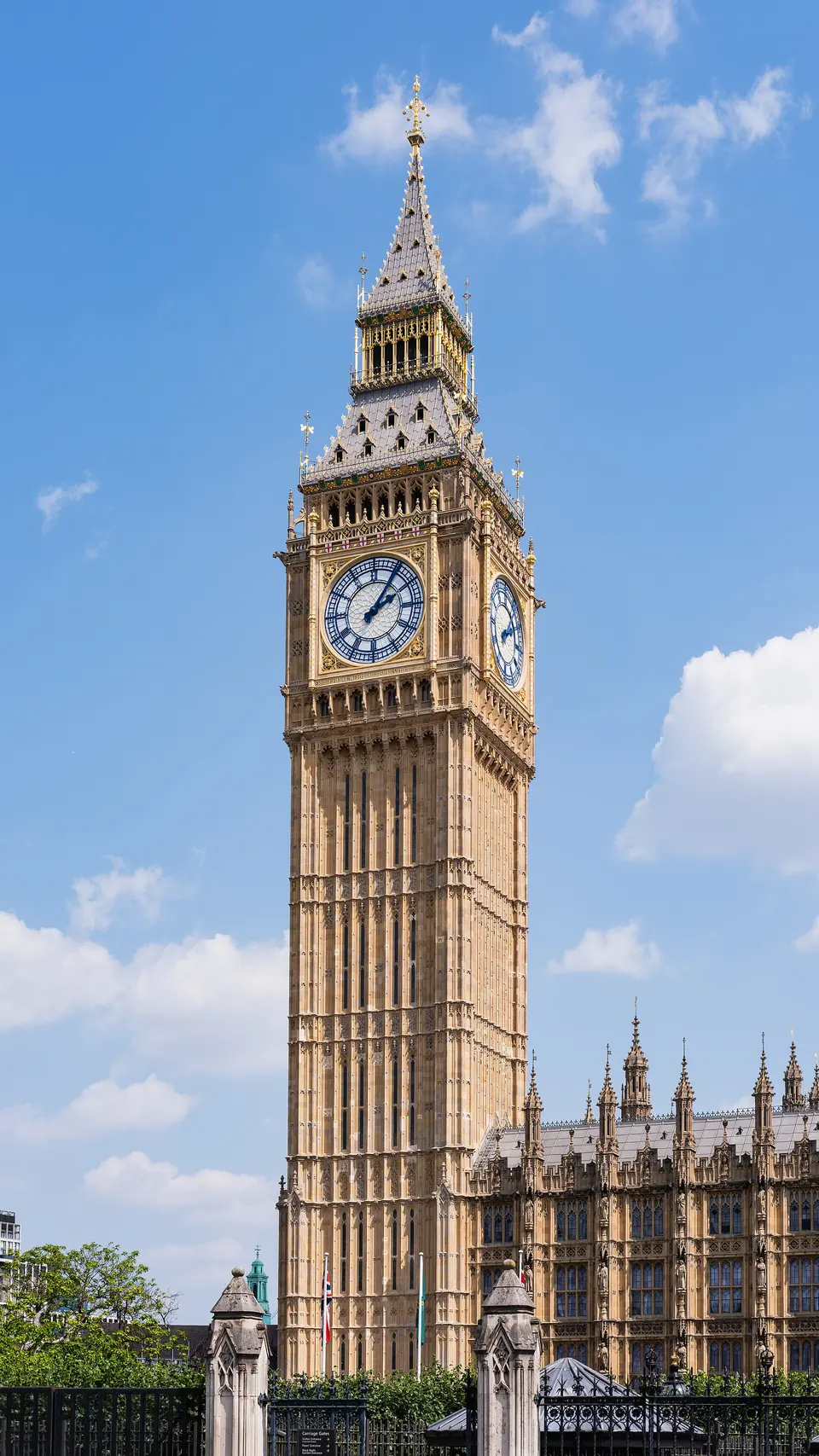
© Christian David · CC BY-SA 4.0 Palace of Westminster & Big Ben
The neo-Gothic palace by Charles Barry and Augustus Pugin rose from the ashes of the 1834 fire that destroyed the medieval Parliament. The 96-metre Elizabeth Tower — Big Ben is the bell, not the tower — has marked London's hours since 1859. The best view is from the South Bank at dusk, when the stone glows.
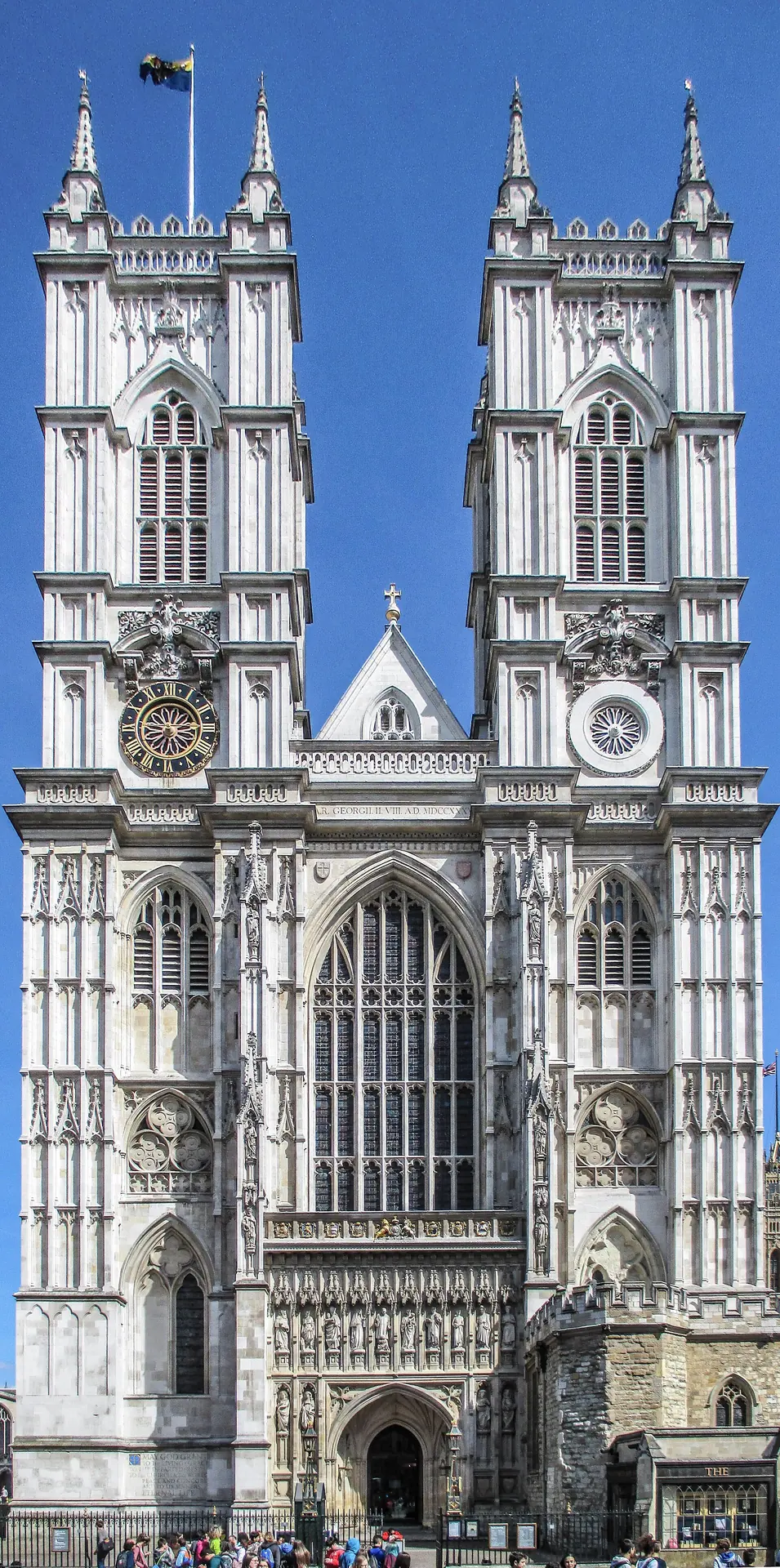
© Antiquary · CC BY 4.0 Westminster Abbey
Every English monarch since William the Conqueror in 1066 has been crowned here, and seventeen lie buried within. Henry III's 13th-century Gothic rebuilding made it a forest of stone; Poets' Corner holds Chaucer, Dickens and Austen. Come for Evensong — the choir is free and the light through the west window is the show.
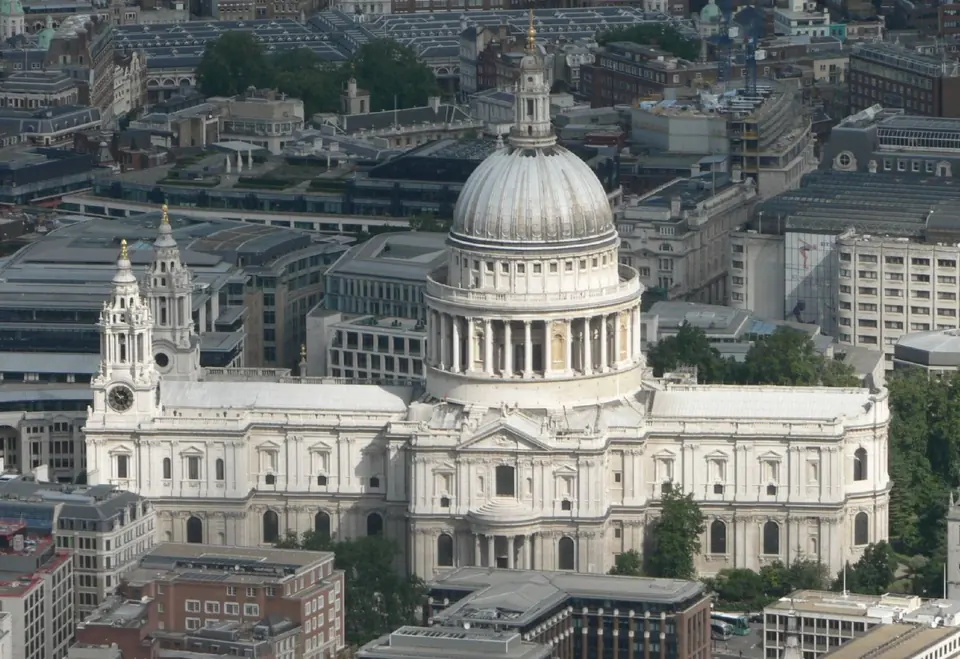
© Mark Fosh · CC BY 2.0 St Paul's Cathedral
Christopher Wren's dome, completed in 1710 after the Great Fire, was the city's defiant answer to disaster — and it survived the Blitz while everything around it burned. Climb the 528 steps to the Golden Gallery for the panorama. The Whispering Gallery carries a murmur across the dome's full width.
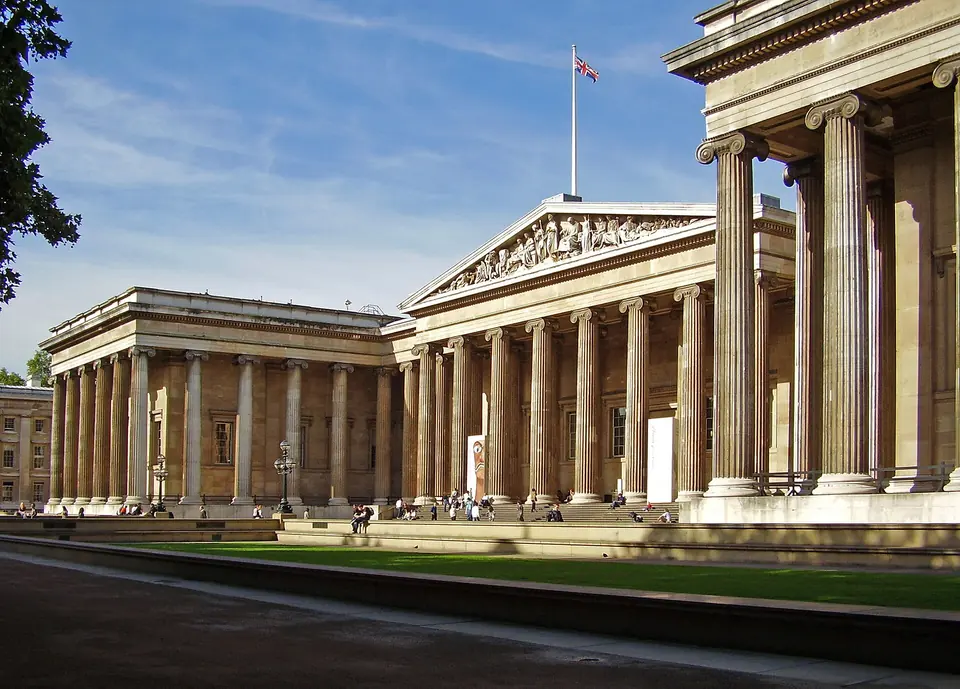
© Ham · CC BY-SA 3.0 British Museum
Founded in 1753, the first national public museum in the world, and still free. The Rosetta Stone, the Parthenon sculptures, Egyptian mummies — two million years of human craft under Norman Foster's glass roof over the Great Court. Go early; the Egyptian hall fills by eleven.
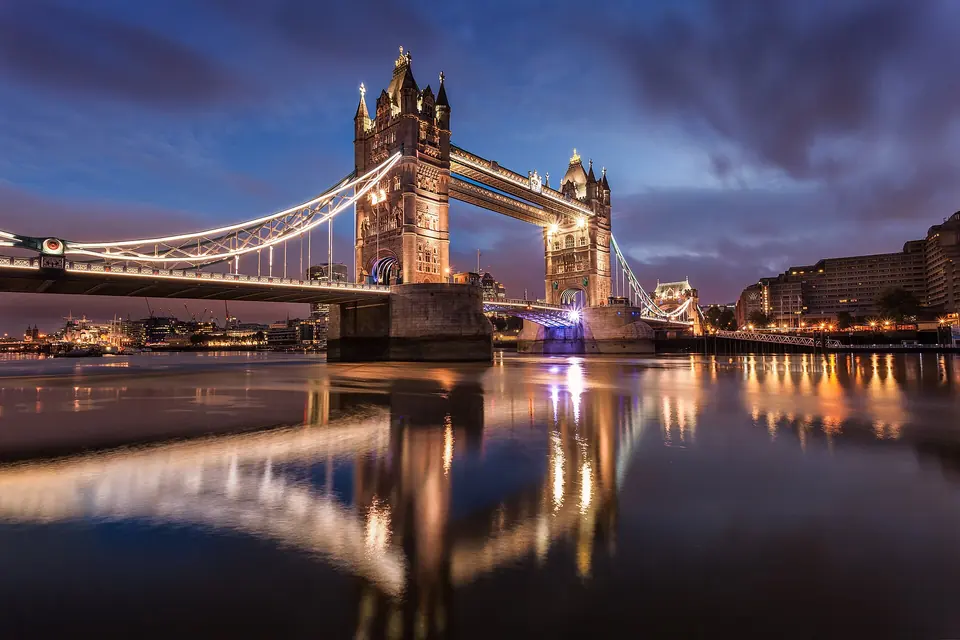
© Fuzzypiggy · CC BY-SA 3.0 Tower Bridge
Completed in 1894, the combined bascule-and-suspension bridge was Victorian engineering at its most theatrical: Gothic towers concealing a steel frame, painted in the City's blue and white. The high-level walkways, once the haunt of pickpockets, now have glass floors. It still lifts around 800 times a year for river traffic.
Official visitor resources
Official tourism boards and visitor bureaus.