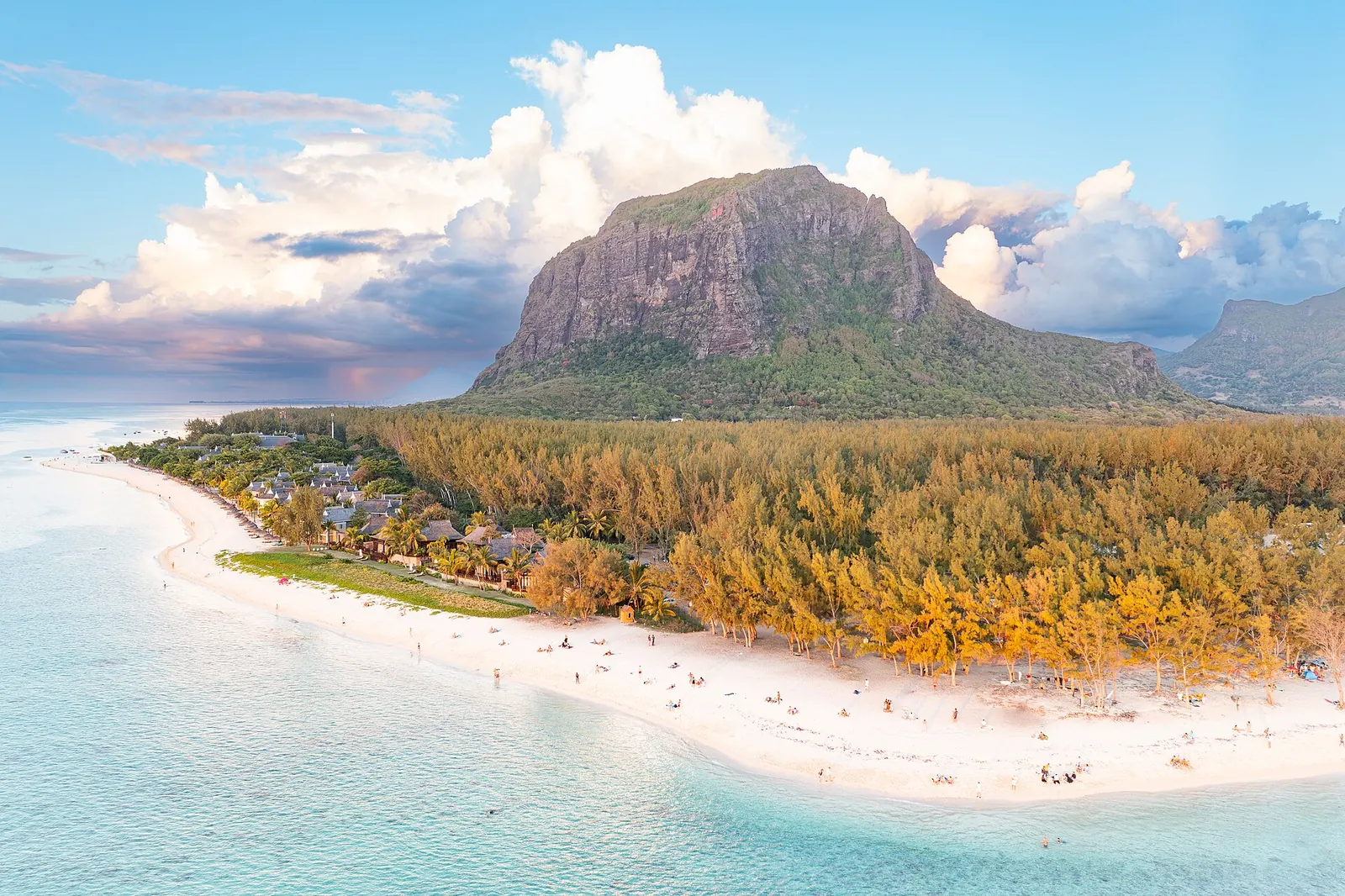
Mauritius is a volcanic island in the Indian Ocean ringed by coral reefs and calm lagoons. Swim and snorkel off white-sand beaches, hike the green peaks of the interior, and eat your way through a food culture shaped by India, Africa, China and France.
Good to know
- Best time to go
- May, June, July, August, September, October, November and December
- Flight from New York
- about 18h 30m nonstop
- Local time
- —
- Currency
- Mauritian Rupee (MUR)
- Languages
- English, French and Mauritian Creole
Flight time is an estimate based on distance; actual schedules vary by airline and route.
Highlights
- Lagoon snorkelling and catamaran trips
- Le Morne and the southwest coast
- Street food in Port Louis
History
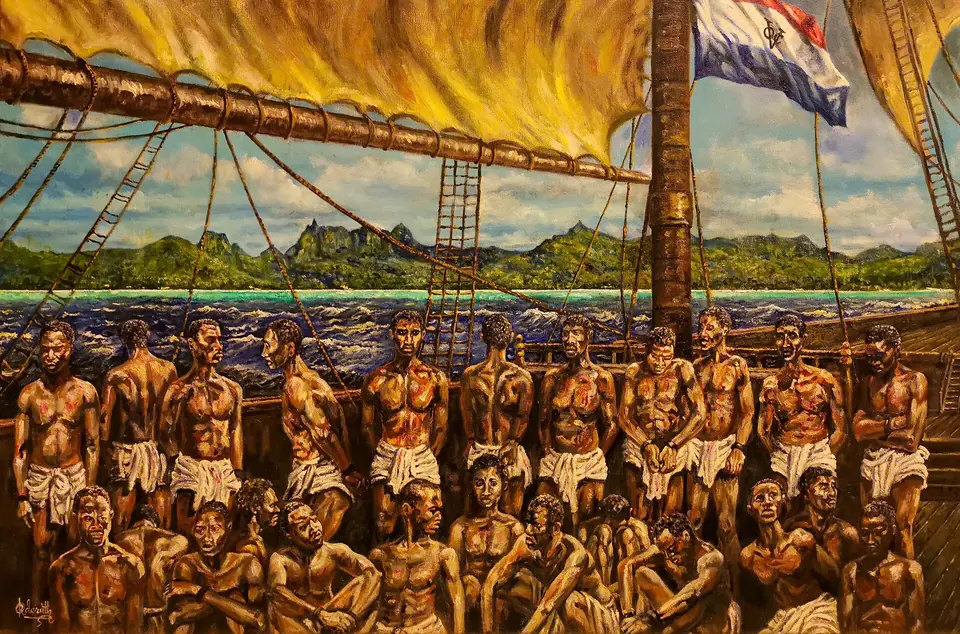
Mauritius had no native human population when Arab and then Portuguese sailors first charted it. The Dutch settled in 1638 and named it after Prince Maurice of Nassau; within a century the flightless dodo, found only here, had been hunted to extinction. The French took over in 1715, renamed it Île de France and built Port Louis, bringing enslaved people from Africa and Madagascar to work sugar plantations. Britain captured the island in 1810 but let French law, language and landowners stay. After slavery ended in 1835, nearly half a million indentured labourers came from India, and their descendants are now the majority. Mauritius became independent in 1968 and is one of Africa's most stable democracies.
Culture
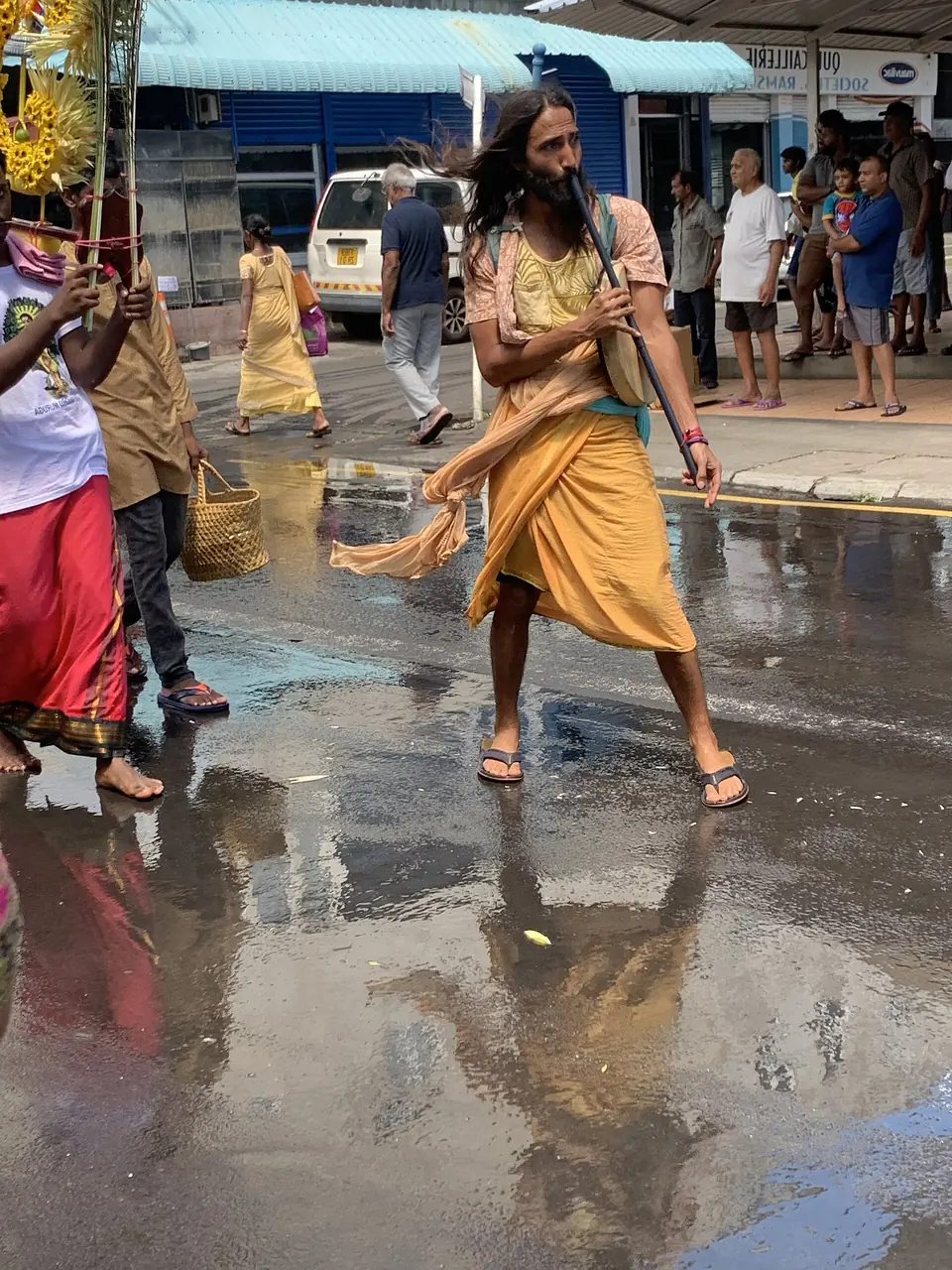
Mauritians move easily between Kreol, French and English, and between Hindu temples, mosques, churches and Chinese pagodas. Festivals like Diwali, Cavadee, Chinese New Year and Eid are national celebrations. The food reflects every wave of arrival: dholl puri flatbreads, curries, biryani, noodles, rougaille (a tomato-based Creole sauce) and fresh fish. In the evenings, séga, the island's music born from enslaved Africans, is played with ravanne drums and danced barefoot on the sand.
Landmarks
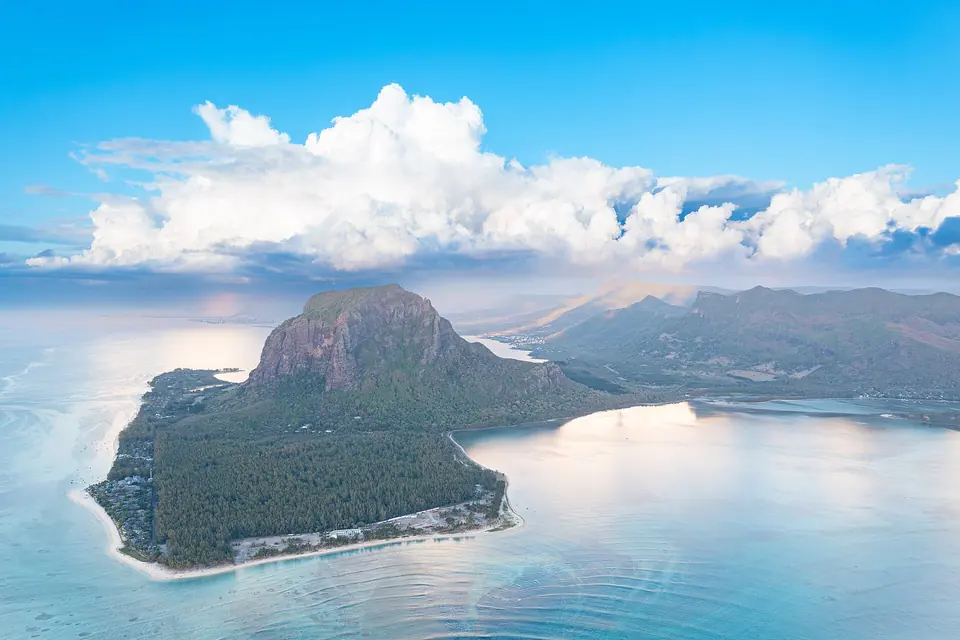
© "dronepicr" · CC BY 2.0 Le Morne Brabant
This basalt mountain on the southwest tip sheltered escaped enslaved people in the eighteenth and nineteenth centuries and is a UNESCO World Heritage Site. A demanding hike rewards you with views over turquoise lagoons.
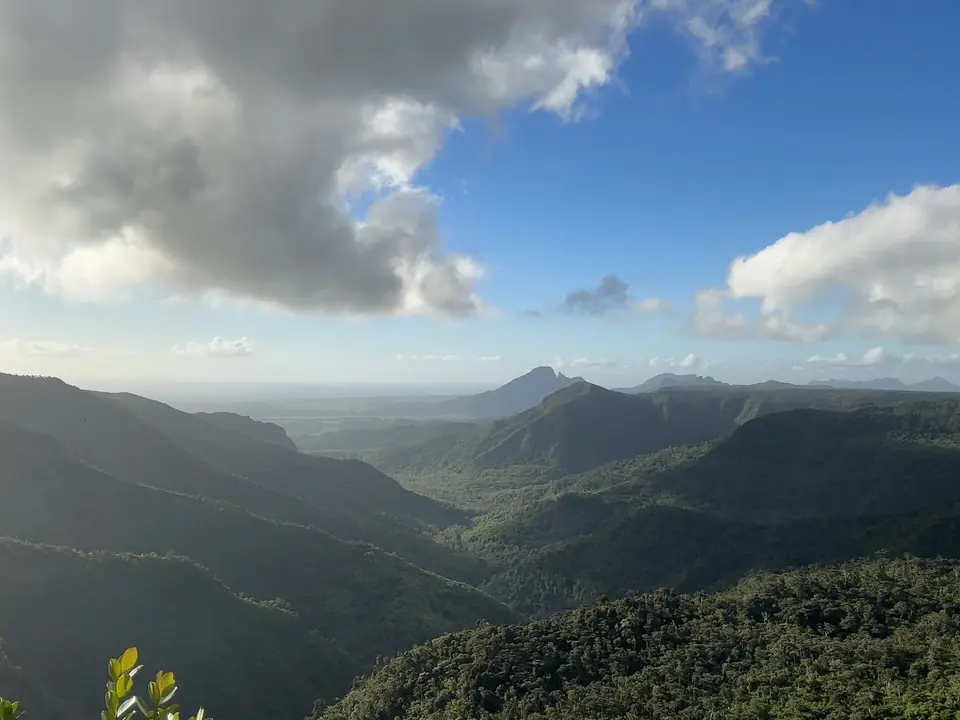
© User 72622 · CC0 Black River Gorges National Park
The island's largest national park protects native forest, waterfalls and rare birds such as the pink pigeon and the Mauritius kestrel, both rescued from the brink of extinction. Well-marked trails suit day hikers.
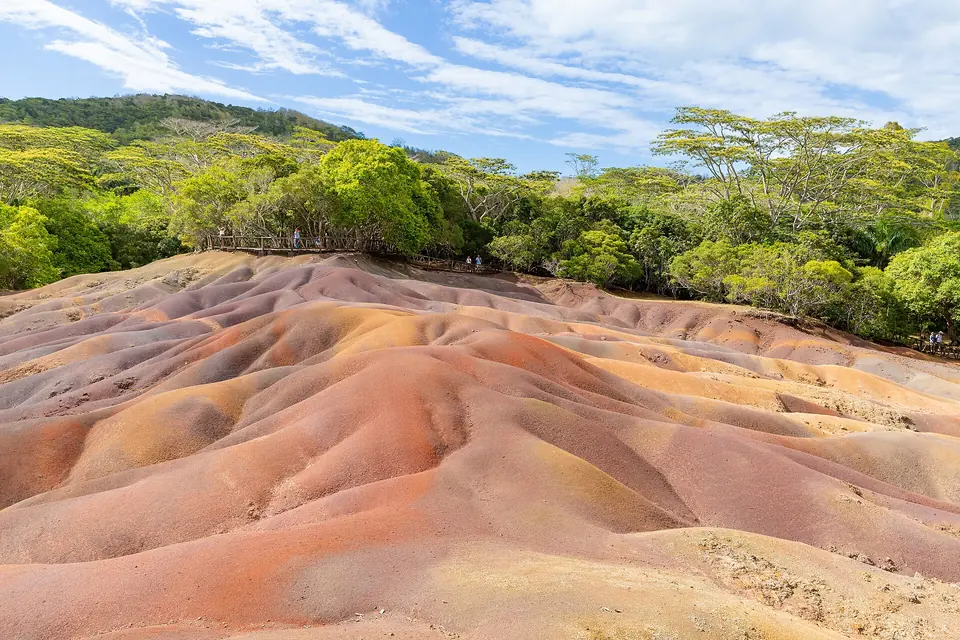
© "dronepicr" · CC BY 2.0 Chamarel Seven Coloured Earth
In the southwest highlands, these small dunes of volcanic soil show bands of red, brown, violet and yellow sand that never mix. A nearby waterfall drops about 100 metres into a lush gorge.