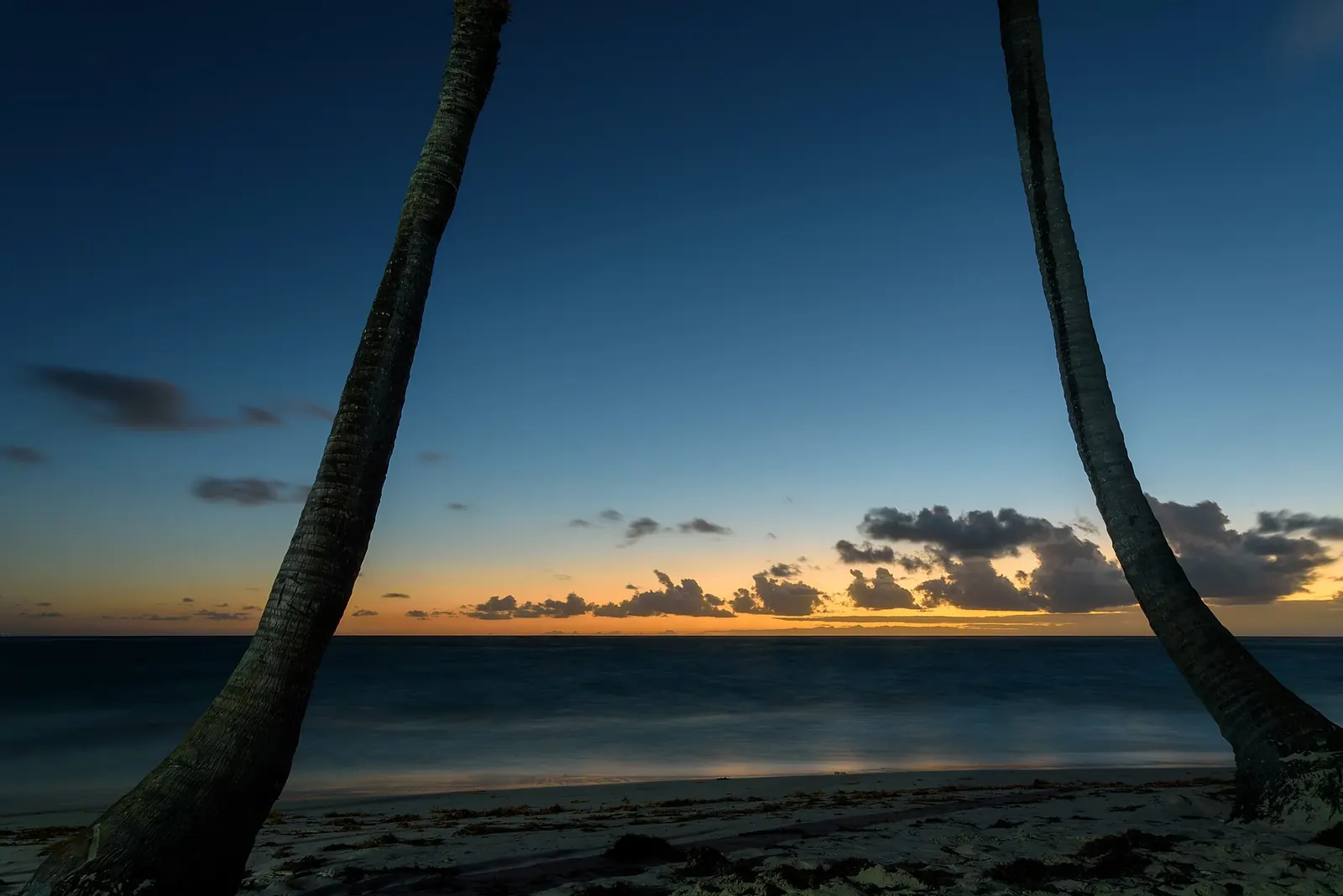
Punta Cana, on the eastern tip of the Dominican Republic, is all about long beaches of white sand, warm turquoise water and coconut palms. Snorkel the reefs, sail to Saona Island, swim in freshwater lagoons and spend a day exploring Santo Domingo's colonial zone.
Good to know
- Best time to go
- December, January, February, March and April
- Flight from New York
- about 3h 30m nonstop
- Local time
- —
- Currency
- Dominican Peso (DOP)
- Languages
- Spanish
Flight time is an estimate based on distance; actual schedules vary by airline and route.
Highlights
- Bávaro and Macao beaches
- Saona Island excursion
- Day trip to Santo Domingo
History
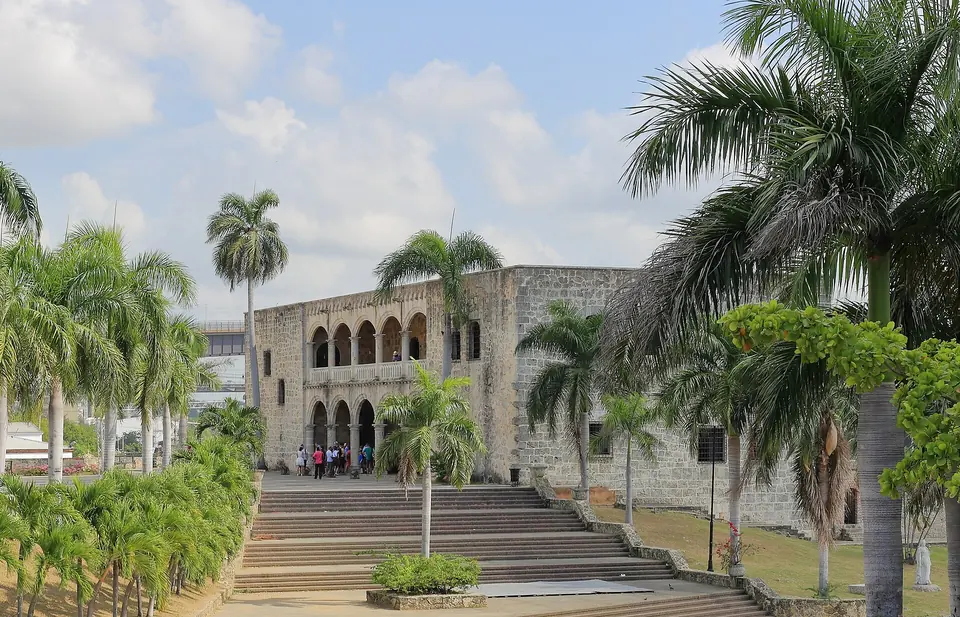
The island of Hispaniola, home to the Taíno people, was where Christopher Columbus established the first permanent European settlements in the Americas, beginning in 1493. Santo Domingo, founded in 1496, became the first Spanish colonial city in the New World, with the first cathedral, university and hospital in the Americas. The Taíno population was devastated within a few decades by forced labour and disease. The Dominican Republic gained independence in 1844 from Haiti, which had ruled the whole island for twenty-two years. Punta Cana itself was a remote stretch of coast, reachable mostly by boat, until the 1970s, when investors, including the designer Oscar de la Renta, began developing it. Its international airport opened in 1984.
Culture
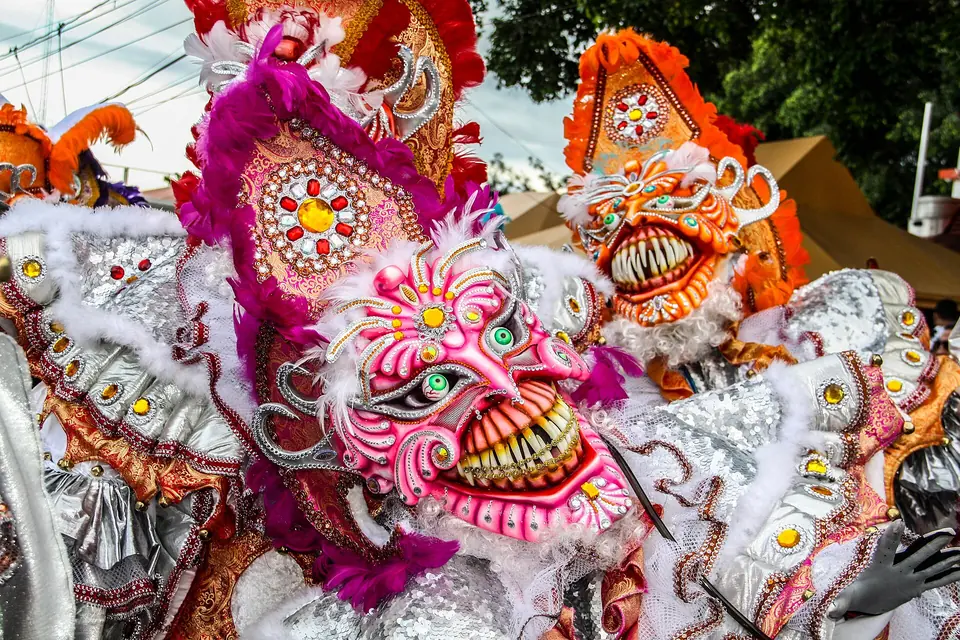
Dominicans are known for their warmth and love of music. Merengue and bachata, both born in the country, are played everywhere and danced by everyone. Baseball is a passion, and the country has produced many Major League stars. The classic lunch, nicknamed la bandera, 'the flag', is rice, beans and stewed meat. Try mangú, mashed plantains, for breakfast and sancocho, a hearty meat stew, at celebrations. Outside the resorts, colmados, corner shops with music and cold beer, are the heart of neighbourhood life.
Landmarks
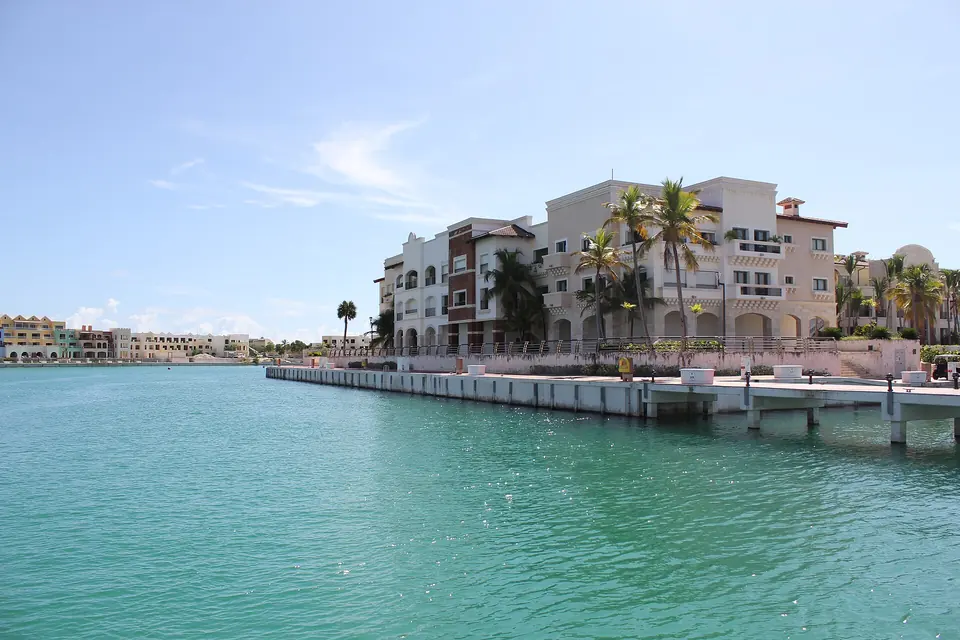
© uira (Flickr) · CC BY-SA 2.0 Bávaro Beach
This long stretch of white sand is protected by a coral reef that keeps the water calm and clear. Coconut palms line the shore, and it is ideal for swimming and snorkelling.
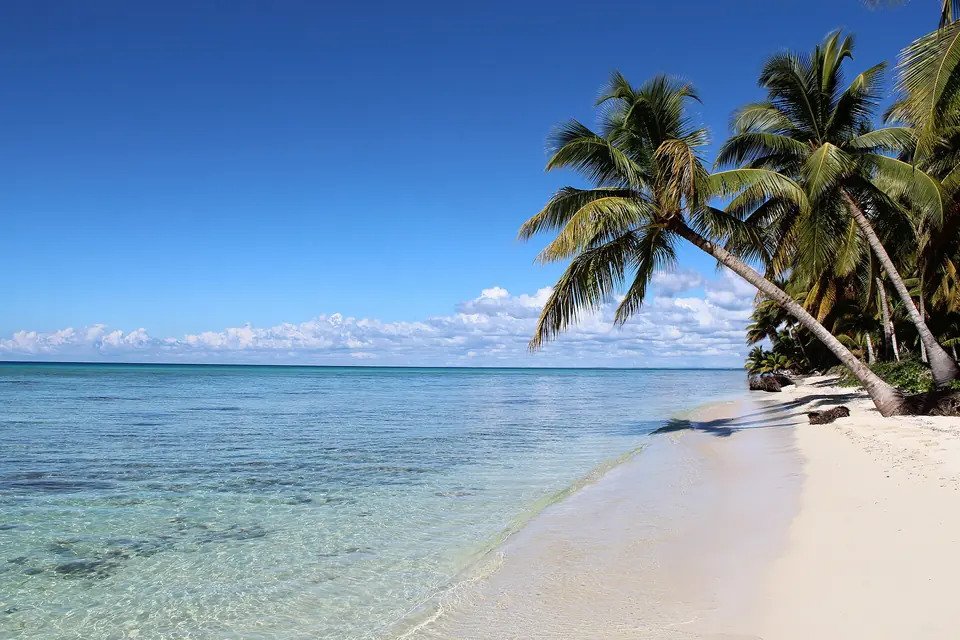
© Danu Widjajanto · CC BY-SA 4.0 Saona Island
Part of the Cotubanamá National Park, this island is famous for its palm-fringed beaches and a shallow natural pool where starfish gather. Catamaran and speedboat trips leave from Bayahibe.
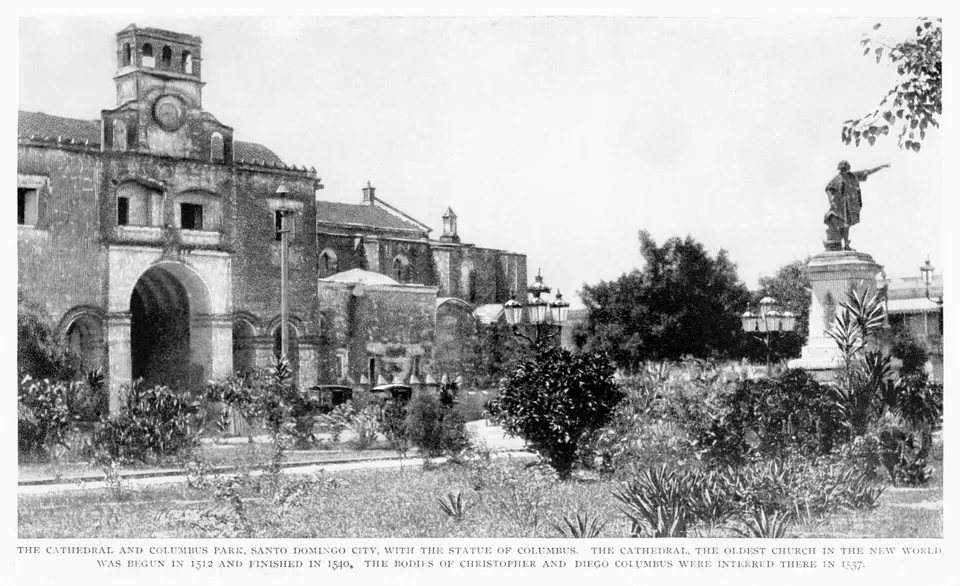
© Unknown author · Public domain Colonial Zone of Santo Domingo
About two and a half hours from Punta Cana, the first European city in the Americas is a UNESCO World Heritage Site. See the Cathedral of Santa María la Menor and the Alcázar de Colón, home of Columbus's son Diego.