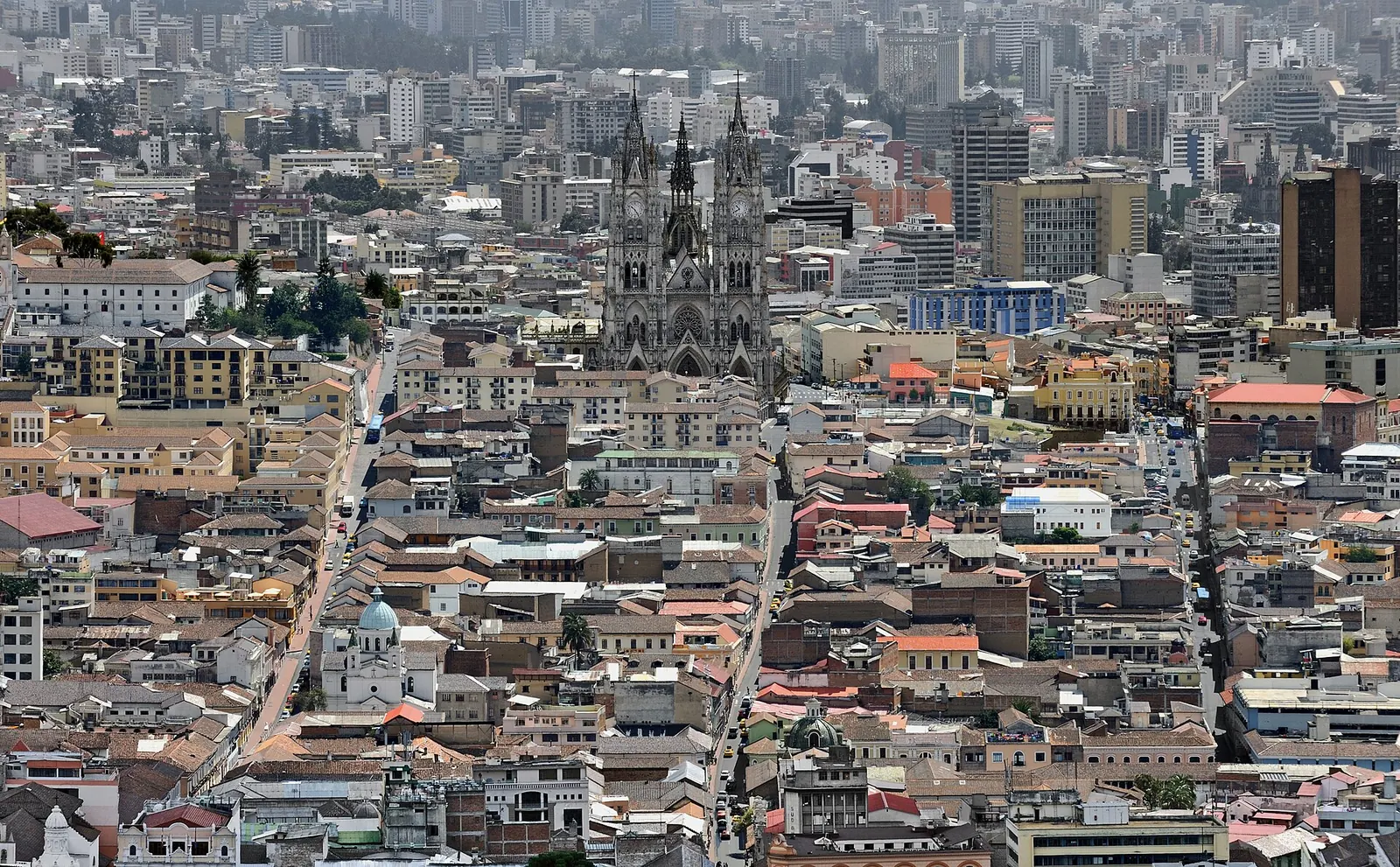
Quito sits at 2,850 metres in a valley ringed by volcanoes. Explore one of the best-preserved colonial centres in the Americas, stand on the equator line, ride a cable car up the flanks of Pichincha, and use the city as a base for the Galápagos and the Amazon.
Good to know
- Best time to go
- June, July, August, September, December and January
- Flight from New York
- about 6h 00m nonstop
- Local time
- —
- Currency
- US Dollar (USD)
- Languages
- Spanish and Quechua
Flight time is an estimate based on distance; actual schedules vary by airline and route.
Highlights
- Colonial Old Town
- Middle of the World equator line
- Gateway to the Galápagos
History
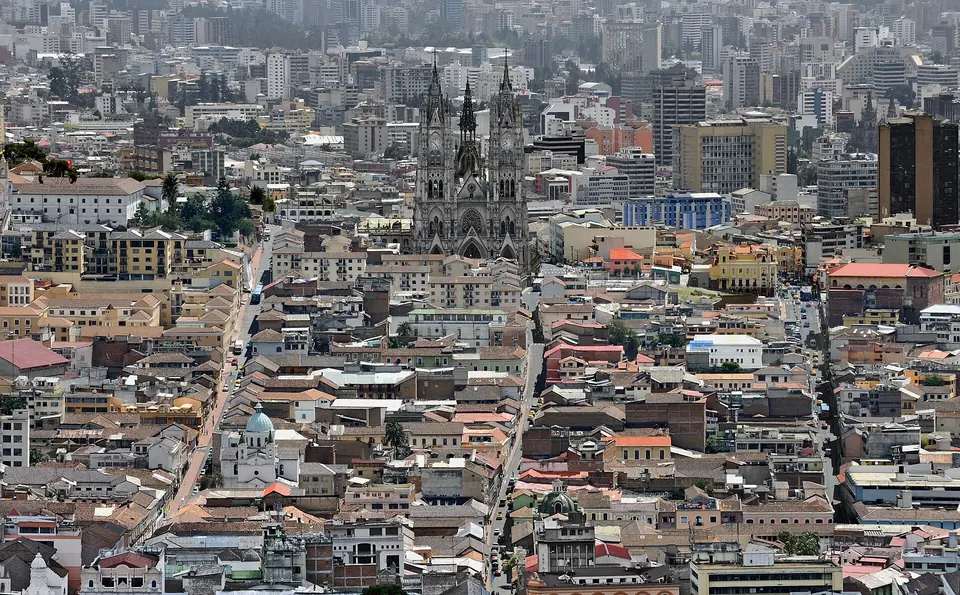
Quito's site was inhabited for thousands of years, and in the late fifteenth century it became the northern capital of the Inca Empire. Rather than let it fall to the Spanish, the Inca general Rumiñahui is said to have burned the city in 1534. Spanish conquistadors refounded it that same year as San Francisco de Quito, and over the following centuries the 'Quito School' of artists filled its churches with gold leaf, sculpture and painting. The first cries for independence in Spanish America rang out here on 10 August 1809. Ecuador became fully independent in 1830. In 1978 Quito's old town was among the very first places named a UNESCO World Heritage Site, together with Ecuador's Galápagos Islands.
Culture
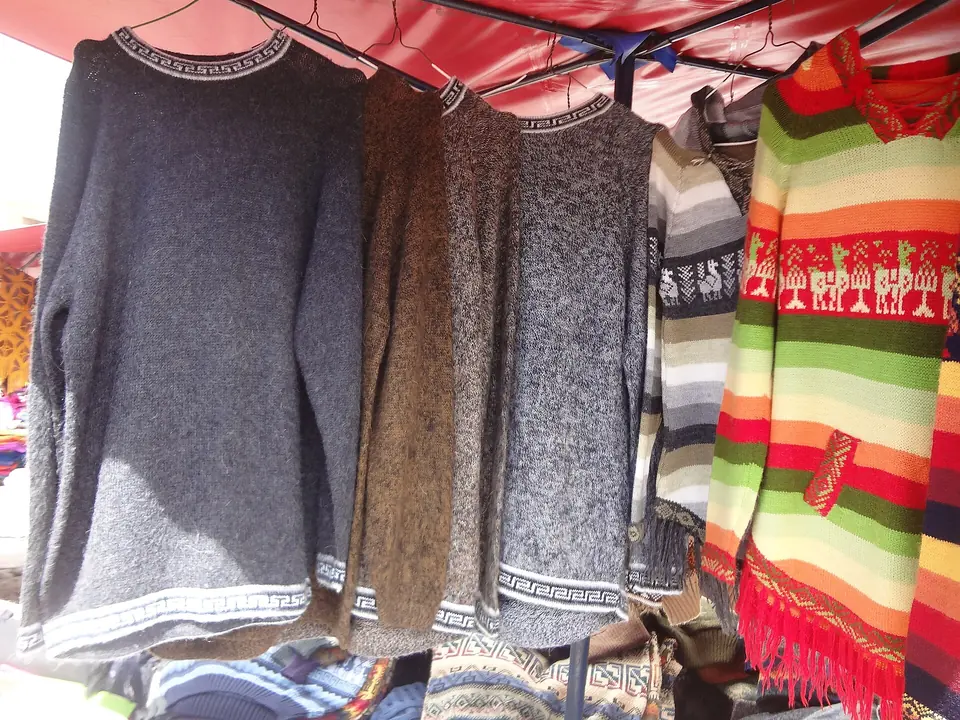
Life in Quito blends Andean Indigenous traditions with Spanish colonial heritage. Markets sell bright textiles, potatoes of many varieties and fresh tropical fruit from the lowlands. Try locro de papa, a creamy potato soup with cheese and avocado, and canelazo, a warm cinnamon drink. Because of the altitude, take it easy for the first day and drink plenty of water. Quiteños celebrate the city's founding in early December with parades, music and dancing.
Landmarks
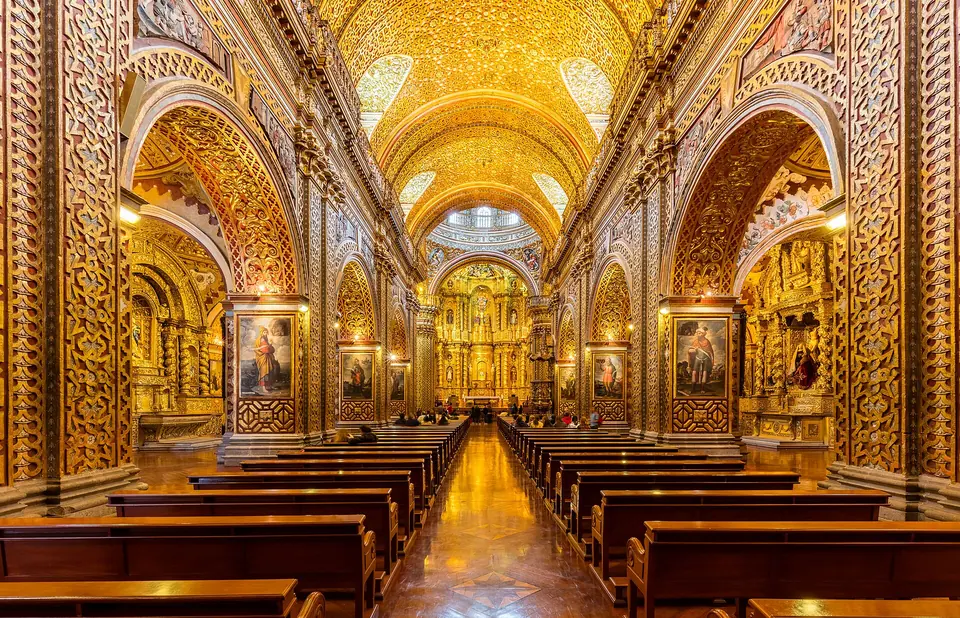
© Diego Delso · CC BY-SA 4.0 Historic Centre of Quito
One of the largest and best-preserved colonial centres in the Americas, full of churches, convents and plazas. The Church of the Society of Jesus (La Compañía) is covered inside with gold leaf.
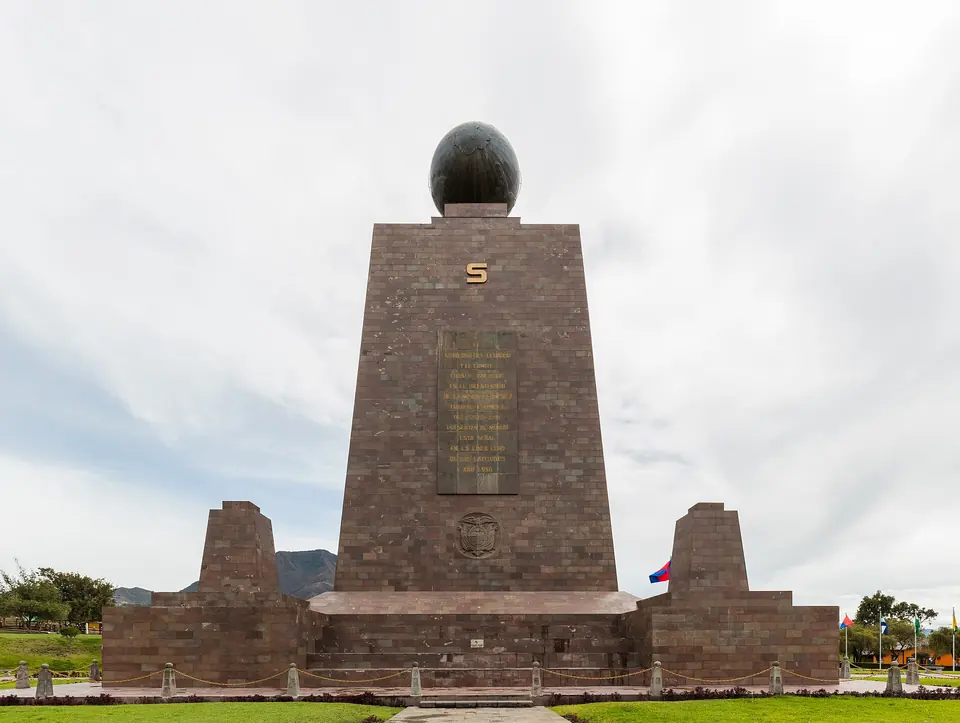
© Diego Delso · CC BY-SA 4.0 Mitad del Mundo
About 25 kilometres north of the city, a monument marks the equator line. A nearby museum, Intiñan, offers fun experiments about the hemispheres and Indigenous cultures.
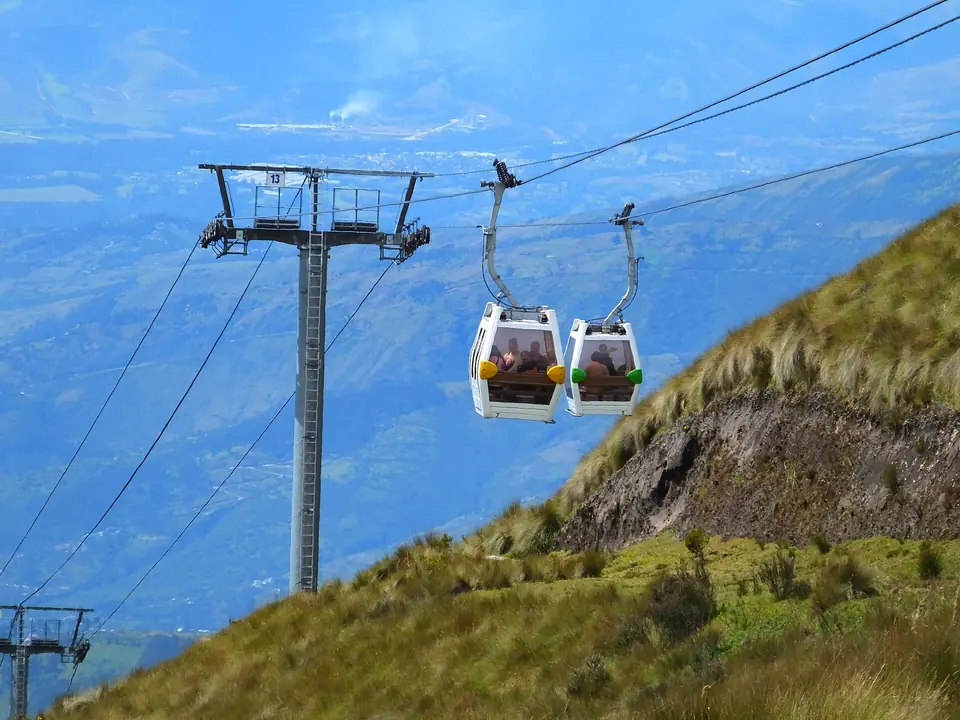
© AndrewDressel · CC BY-SA 4.0 TelefériQo
This cable car rises from the city to around 4,000 metres on the slopes of Pichincha volcano. On clear mornings you can see snow-capped peaks, including Cotopaxi.