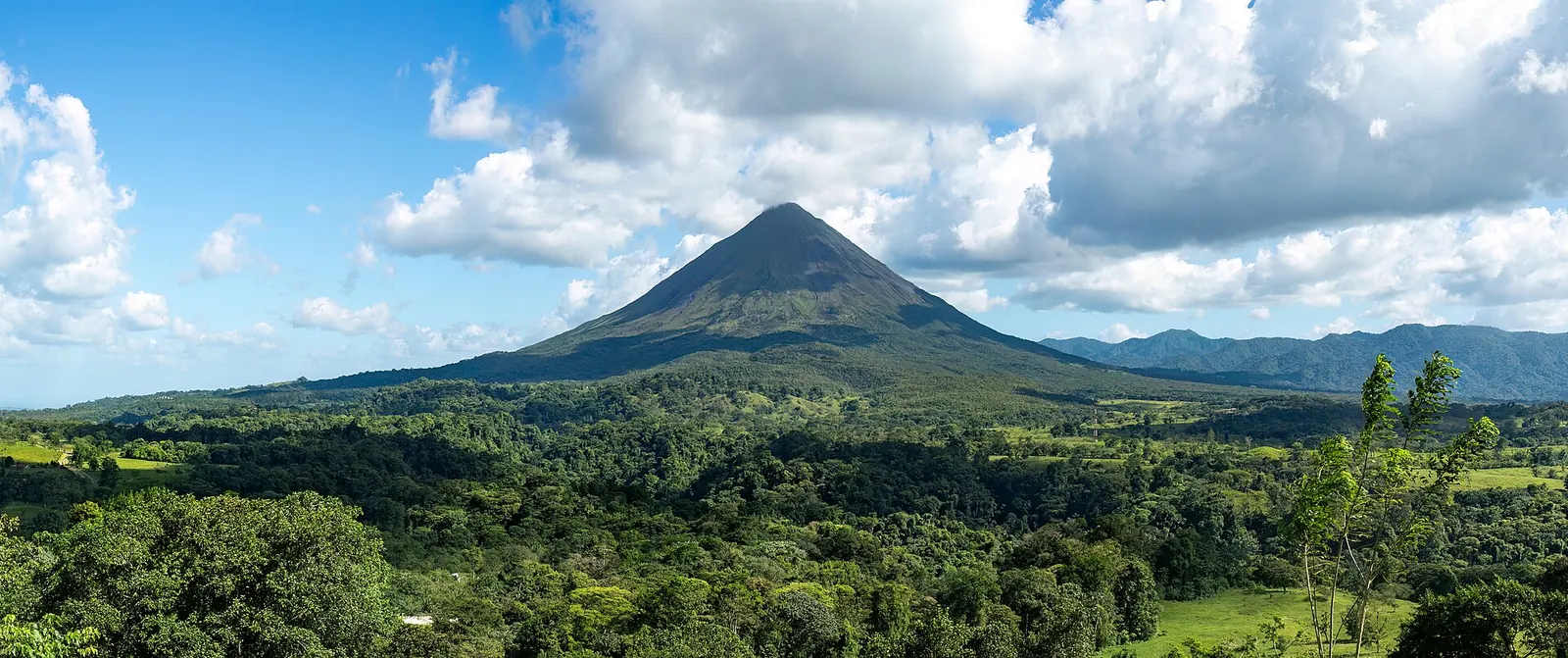
Fly into San José and within a few hours you can be in cloud forest, at the foot of a volcano or on a Pacific surf beach. Look for sloths and toucans, cross hanging bridges through the canopy, soak in hot springs and zip-line over the jungle.
Good to know
- Best time to go
- December, January, February, March and April
- Flight from New York
- about 4h 45m nonstop
- Local time
- —
- Currency
- Costa Rican Colón (CRC)
- Languages
- Spanish
Flight time is an estimate based on distance; actual schedules vary by airline and route.
Highlights
- Arenal Volcano and hot springs
- Monteverde cloud forest
- Wildlife in Manuel Antonio
History
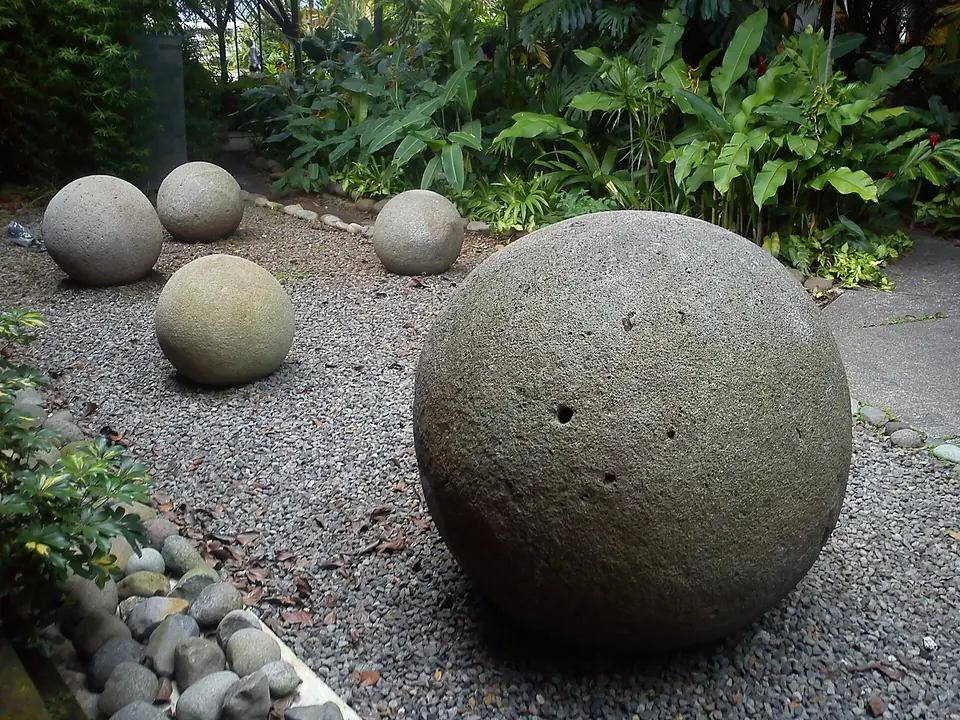
Before the Spanish arrived, Costa Rica was home to Indigenous peoples including the Chorotega, Bribri and Cabécar; the mysterious stone spheres of the Diquís delta date from this era. Christopher Columbus reached the Caribbean coast in 1502, and the region became a quiet, poor corner of the Spanish Empire. After independence in 1821, coffee transformed the country, and San José became its capital in 1823. Railways built to export coffee and bananas connected the highlands to the Caribbean. After a short civil war in 1948, President José Figueres abolished the army, investing instead in education and health. In recent decades Costa Rica has become a world leader in conservation, protecting about a quarter of its land in parks and reserves.
Culture
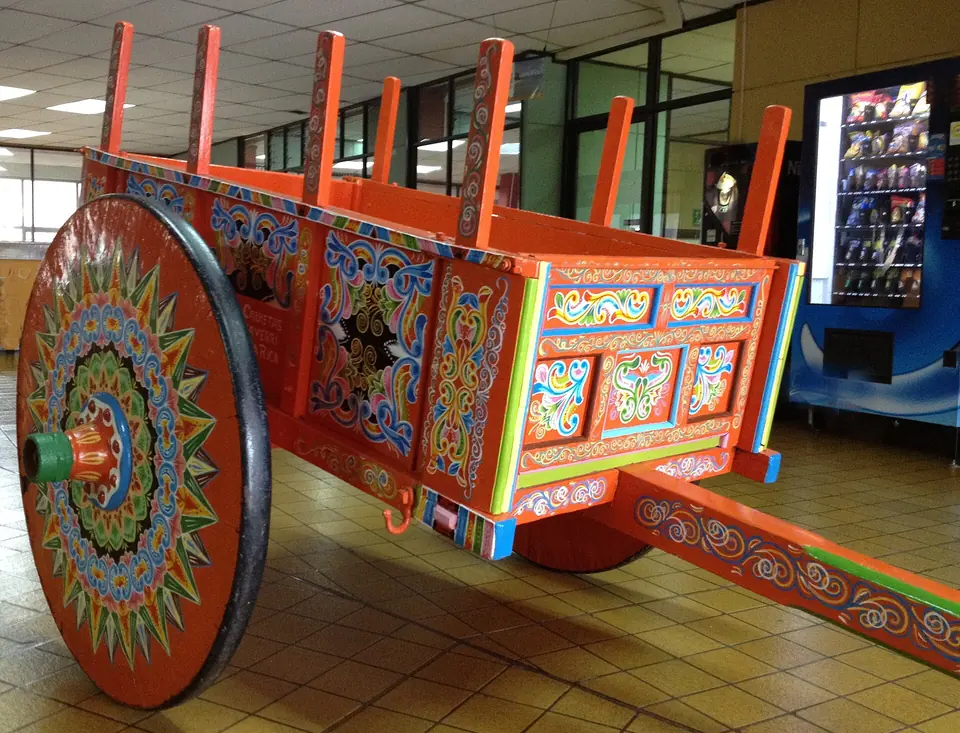
'Pura vida', literally 'pure life', is the national greeting, goodbye and philosophy all in one. Ticos, as Costa Ricans call themselves, are known for being friendly and relaxed. Breakfast is gallo pinto, rice and beans fried together and served with eggs, plantains and natilla (sour cream). Lunch is often a casado, a plate of rice, beans, salad, plantain and meat or fish. The coffee is excellent; visit a farm to learn how it is grown and roasted.
Landmarks
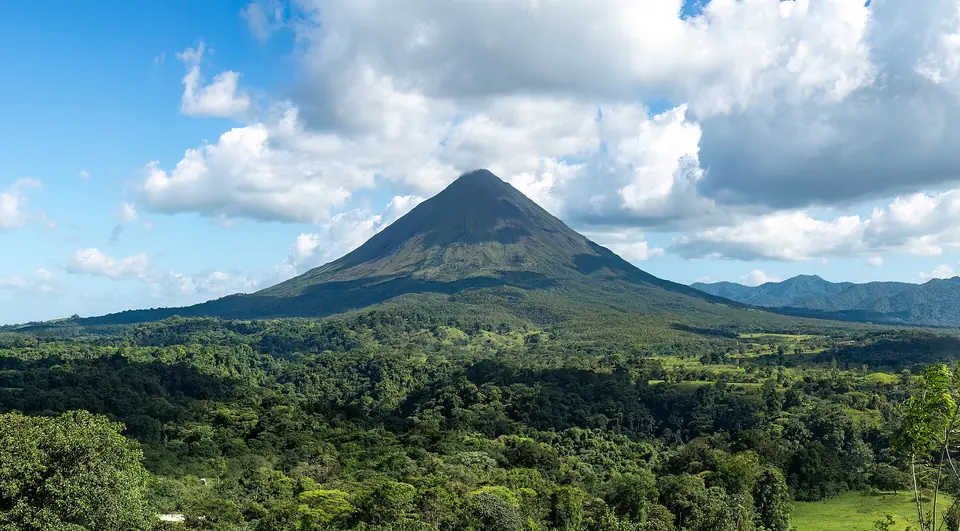
© Rhododendrites · CC BY-SA 4.0 Arenal Volcano National Park
The perfect cone of Arenal rises above a lake and rainforest in the northern lowlands. Hike old lava flows, soak in thermal springs heated by the volcano and look for coatis and howler monkeys.
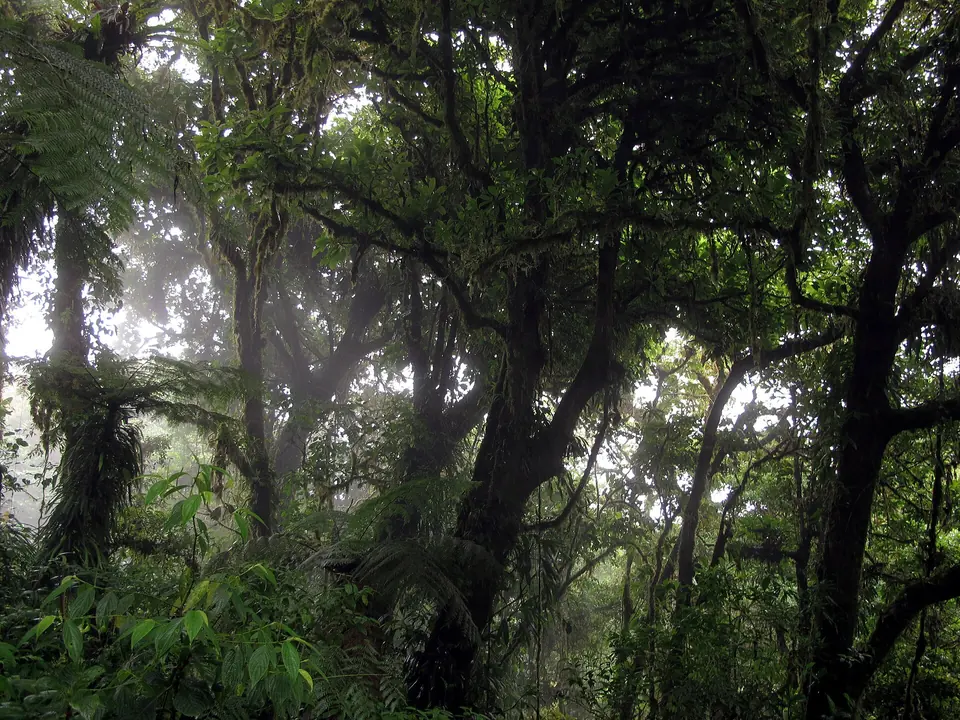
© Haakon S. Krohn · CC BY-SA 3.0 Monteverde Cloud Forest Reserve
Misty forest in the mountains shelters an incredible variety of orchids, birds and insects, including the resplendent quetzal. Hanging bridges let you walk through the treetops.
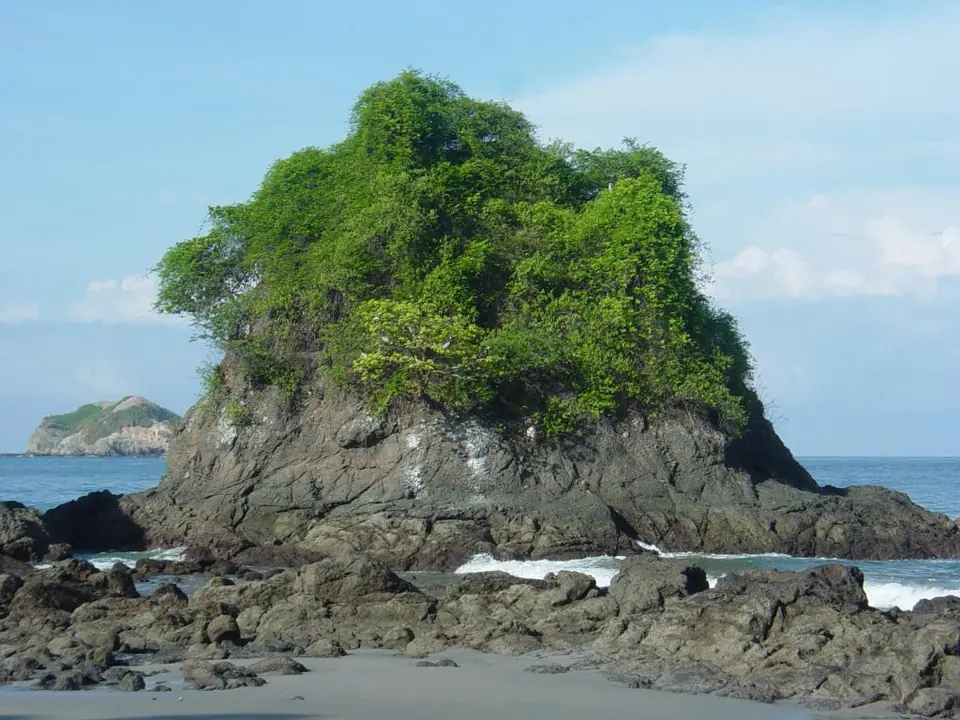
© Jakes19 · Public domain Manuel Antonio National Park
One of the smallest national parks on the Pacific coast, it combines rainforest trails with white-sand beaches. Sloths, capuchin monkeys and iguanas are often spotted close to the paths.