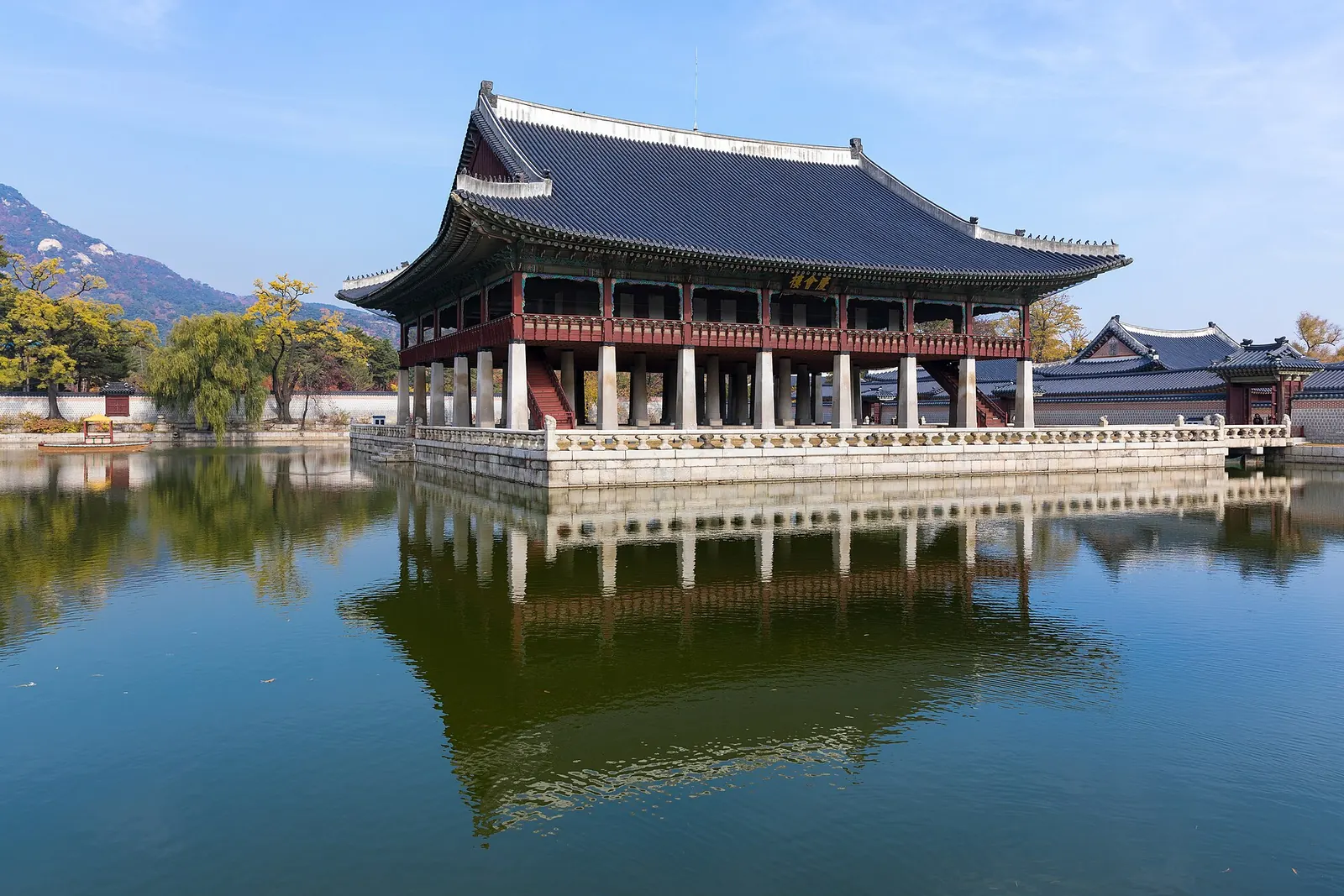
Seoul mixes Joseon-dynasty palaces with neon-lit streets and cutting-edge design. Wear a hanbok to visit Gyeongbokgung Palace, wander the hanok houses of Bukchon, hike city mountains with views of the skyline and eat Korean barbecue late into the night.
Good to know
- Best time to go
- April, May, September, October and November
- Flight from New York
- about 13h 50m nonstop
- Local time
- —
- Currency
- South Korean Won (KRW)
- Languages
- Korean
Flight time is an estimate based on distance; actual schedules vary by airline and route.
Highlights
- Gyeongbokgung Palace and Bukchon
- Gwangjang and Myeongdong food stalls
- Hikes on Bukhansan and Namsan
History
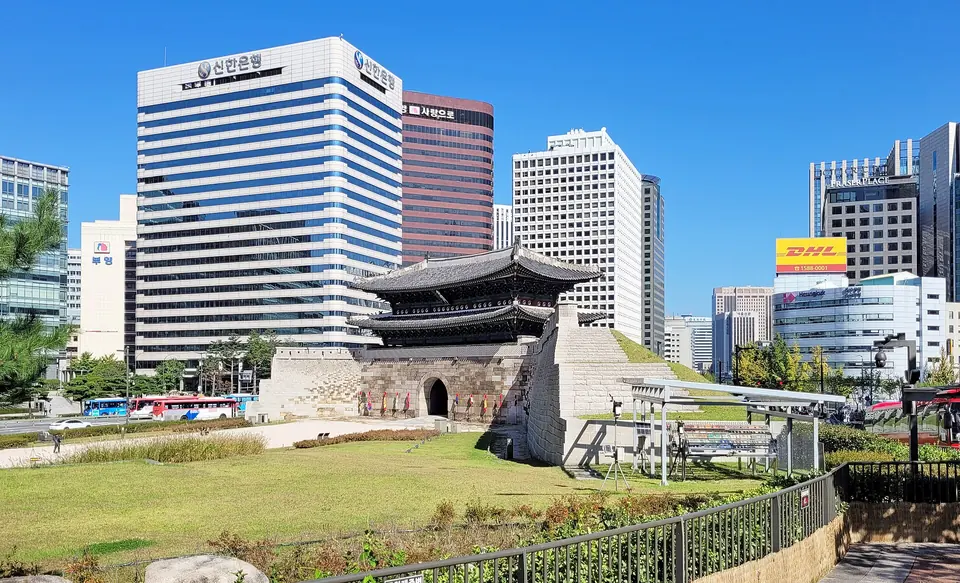
Seoul has been a capital for over six hundred years. In 1394 King Taejo, founder of the Joseon dynasty, chose the site between mountains and the Han River and built Gyeongbokgung Palace and a fortress wall around the city. In the fifteenth century King Sejong the Great created Hangul, the Korean alphabet. Japanese invasions in the 1590s burned the palaces, which were later rebuilt. Japan annexed Korea in 1910 and ruled harshly until 1945. The Korean War from 1950 to 1953 left Seoul devastated, changing hands four times. In the following decades South Korea's rapid growth, called the 'Miracle on the Han River', turned Seoul into one of the world's great high-tech cities, and it hosted the 1988 Summer Olympics.
Culture
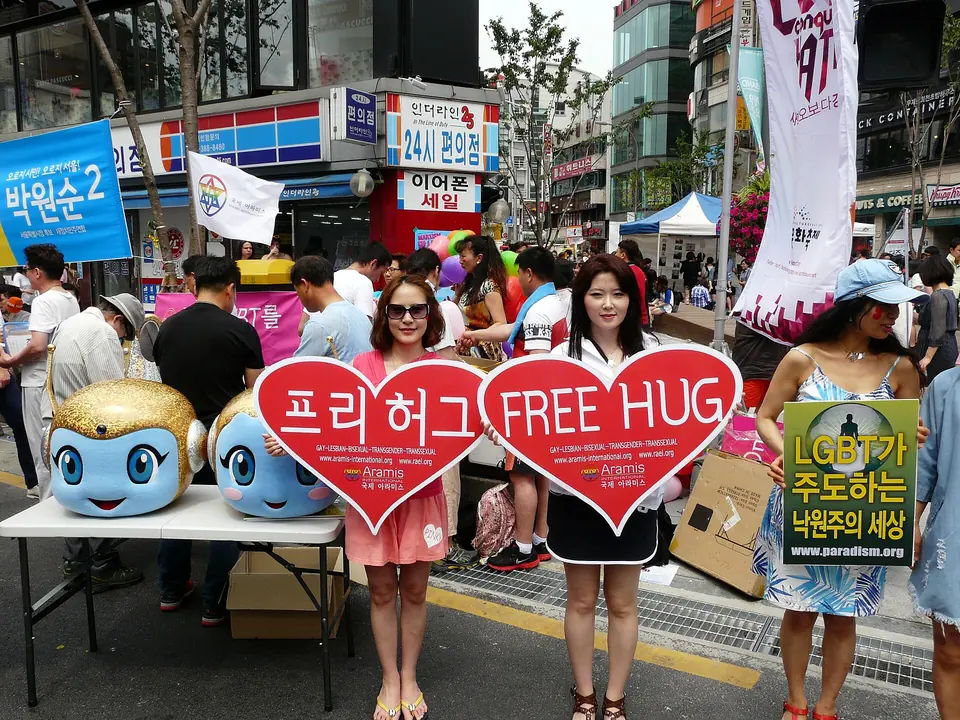
Seoul runs on 'ppalli ppalli', 'hurry hurry', but also takes eating together very seriously. Korean barbecue, cooked at your table, comes with many small side dishes called banchan, including kimchi. Night markets serve tteokbokki (spicy rice cakes), mandu dumplings and hotteok pancakes. K-pop, K-dramas and Korean beauty draw fans from all over the world. Saunas called jjimjilbang are open all night and are a favourite place to relax. Respect for elders is important; pour drinks for others and receive things with both hands.
Landmarks
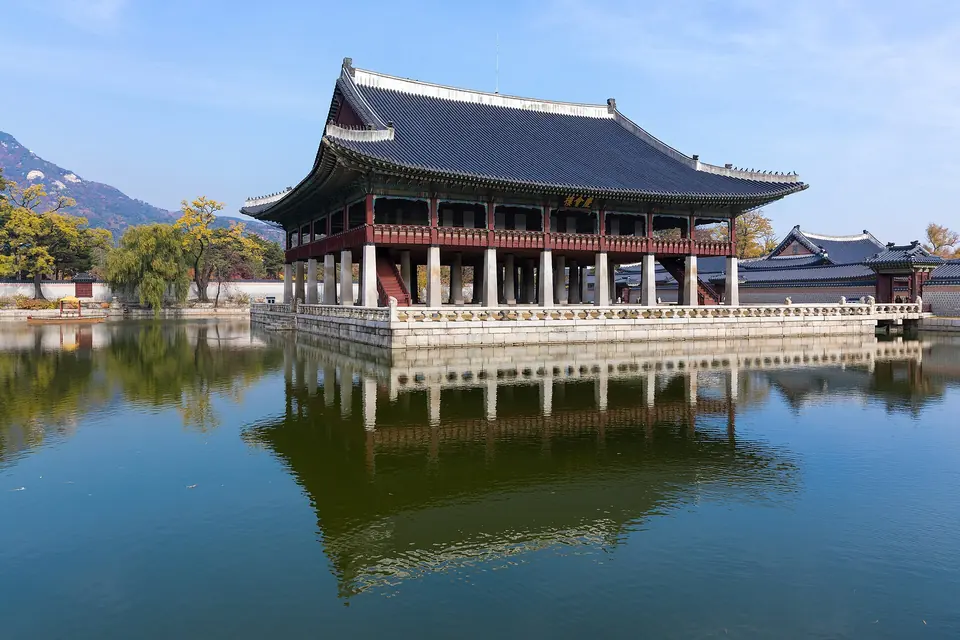
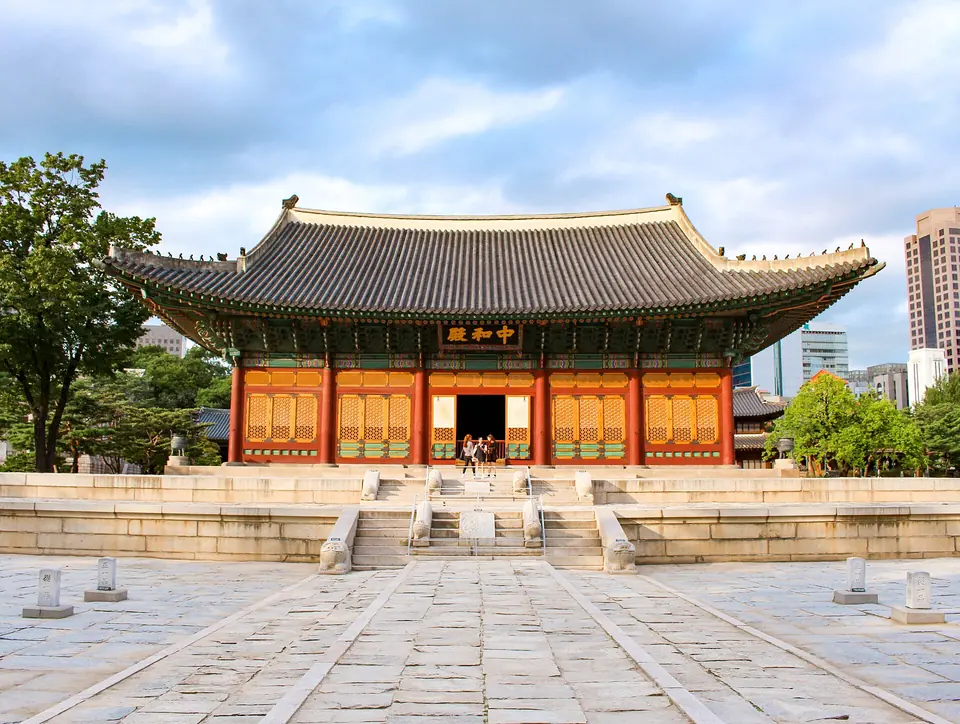
© Frank Schulenburg · CC BY-SA 4.0 Gyeongbokgung Palace
The largest of Seoul's five grand palaces was built in 1395. Watch the changing of the guard at the main gate; visitors wearing hanbok, traditional Korean dress, get free entry.
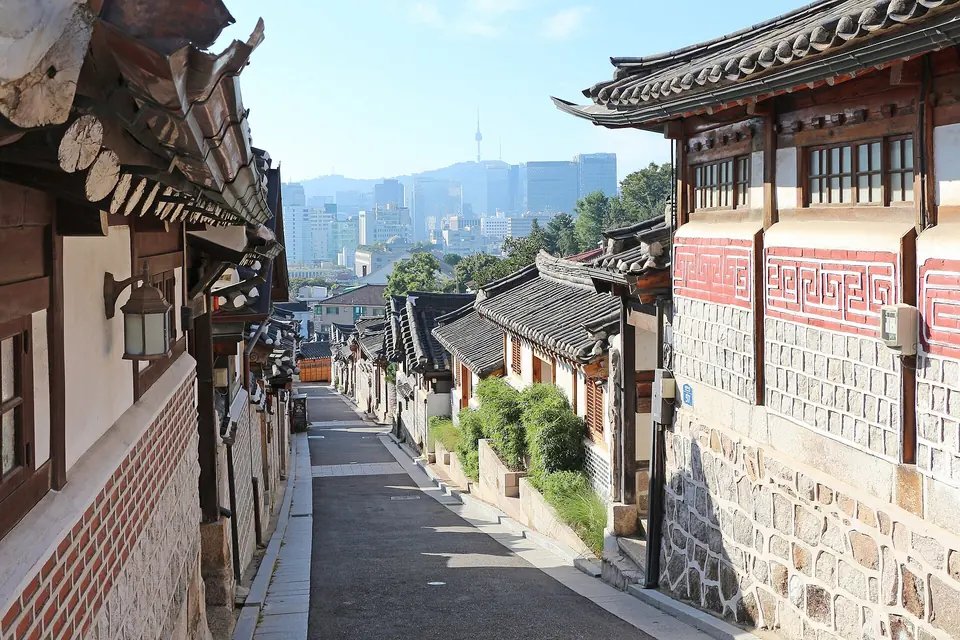
© Bgag · CC0 Bukchon Hanok Village
Between two palaces, this hillside neighbourhood preserves hundreds of traditional hanok houses with tiled roofs. It is still a residential area, so walk quietly and respect residents' privacy.
© Eunmi Park · CC BY-SA 4.0 N Seoul Tower
On top of Namsan mountain in the centre of the city, the tower offers panoramic views. Couples leave 'love locks' on its terrace; walk up through the park or ride the cable car.