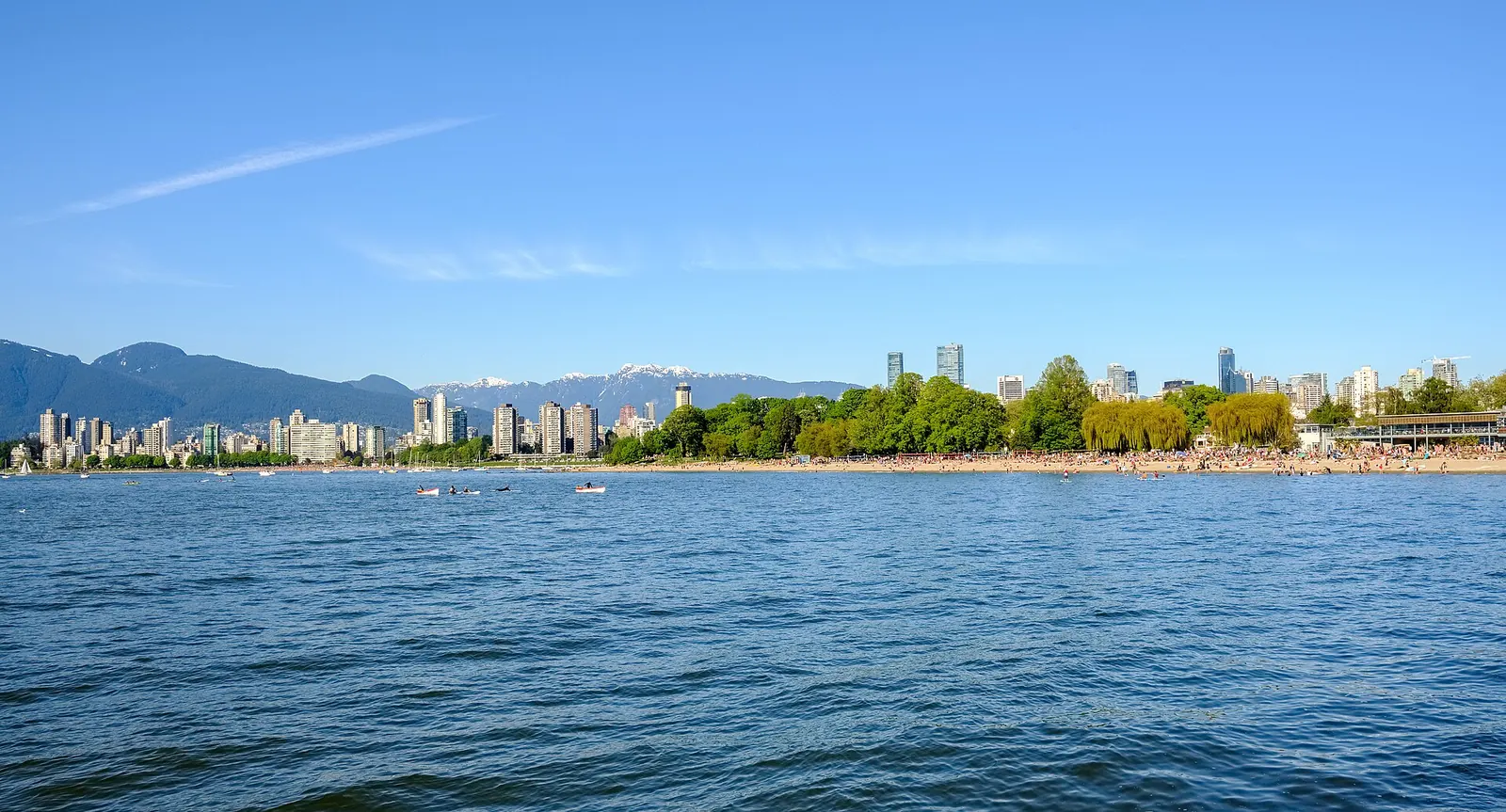
Vancouver puts seawall cycling, forest trails and ski slopes within easy reach of downtown, with a food scene shaped by the Pacific.
Good to know
- Best time to go
- June, July, August and September
- Flight from New York
- about 5h 15m nonstop
- Local time
- —
- Currency
- Canadian Dollar (CAD)
- Languages
- English
Flight time is an estimate based on distance; actual schedules vary by airline and route.
Highlights
- Seawall walks and rides
- Coastal rainforest trails
- Pacific seafood
History
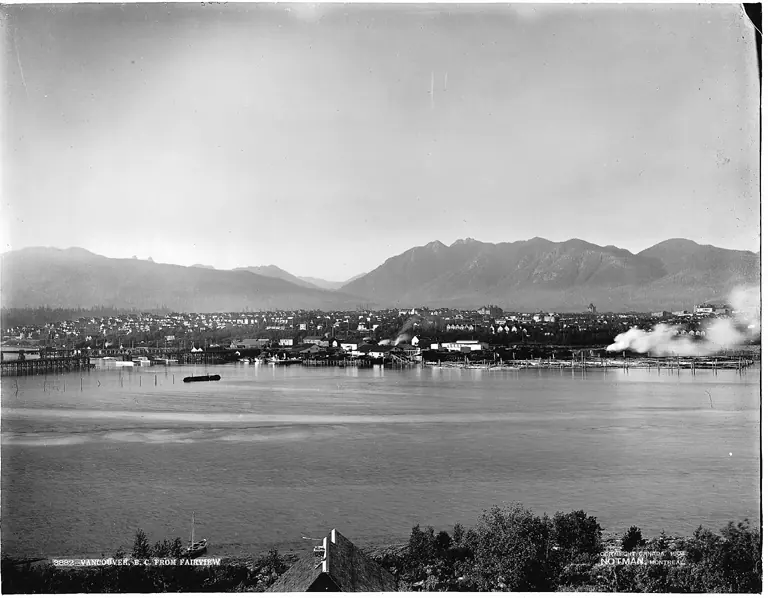
People have lived at the mouth of the Fraser for at least ten thousand years — the Musqueam, Squamish, and Tsleil-Waututh nations were here long before any European map named the place. Captain George Vancouver charted the coast in 1792; the city that took his name began as Gastown in 1867, when an English pub-keeper called Gassy Jack Deighton hauled a barrel of whisky onto the beach and promised free drinks to mill workers who would help him raise a saloon. Incorporated in 1886, Vancouver burned to the ground in the Great Fire that same year and rebuilt itself around the Canadian Pacific Railway terminus. Chinese labourers who had built the railway settled into what became one of North America's oldest Chinatowns; Japanese and South Asian communities followed, each leaving streets, temples, and kitchens. The 1986 World's Fair remade the False Creek waterfront, and the 2010 Winter Olympics rebuilt the city's confidence. What you feel today is a young city still negotiating with its older story — glass towers beside longhouses' descendants, and an official reckoning with the land it stands on.
Culture
Vancouver's daily rhythm is set by weather and water. Locals check the mountain webcams the way other cities check traffic — if Grouse is clear, the Grind's 2,830 steps are calling after work. Mornings run on craft coffee and rain-jacket decisions; the seawall fills with cyclists doing the full ten kilometres around Stanley Park before the office opens. Food is the city's truest autobiography: spot prawns in season, salmon candy from Granville Island, sushi as good as Tokyo's because half the chefs trained there, and Richmond's night markets where dumpling stalls draw longer lines than clubs. Saturday means the farmers' market at Trout Lake or dim sum in a Chinatown banquet hall. When the Canucks play, the whole downtown holds its breath. Nobody here brags about the mountains — they just disappear into them every weekend, and return Monday smelling of cedar. The rain, which outsiders complain about, is treated as a season with its own etiquette: good boots, better beer, and no umbrellas — umbrellas mark you as a visitor instantly.
Landmarks
© Dietmar Rabich · CC BY-SA 4.0 Stanley Park
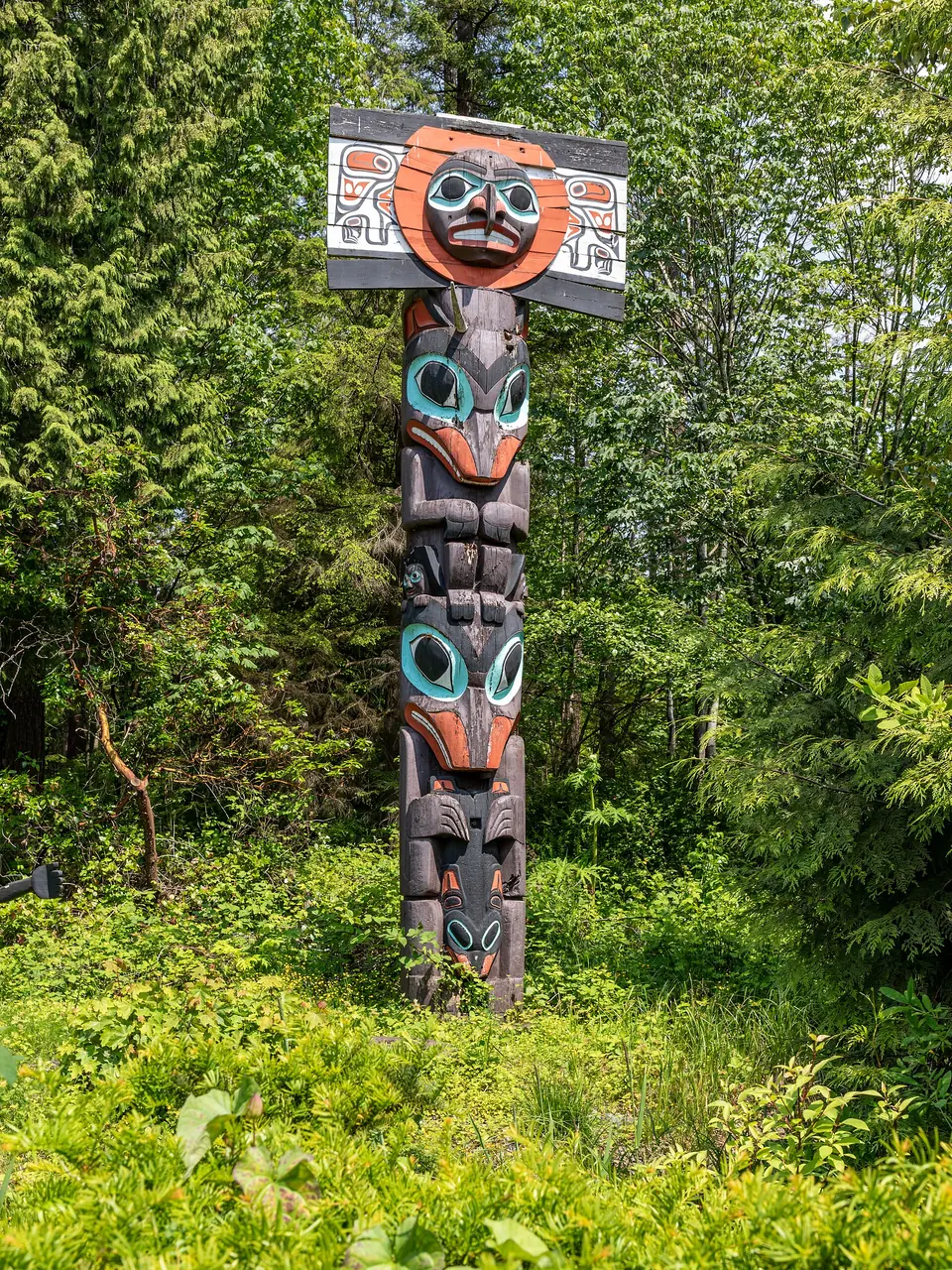
Opened in 1888 and larger than New York's Central Park, this 400-hectare peninsula is Vancouver's front yard: the seawall loop, old-growth cedars, and the totem poles at Brockton Point — carved by Haida, Kwakwaka'wakw, and Nuu-chah-nulth artists — standing where villages stood for millennia.
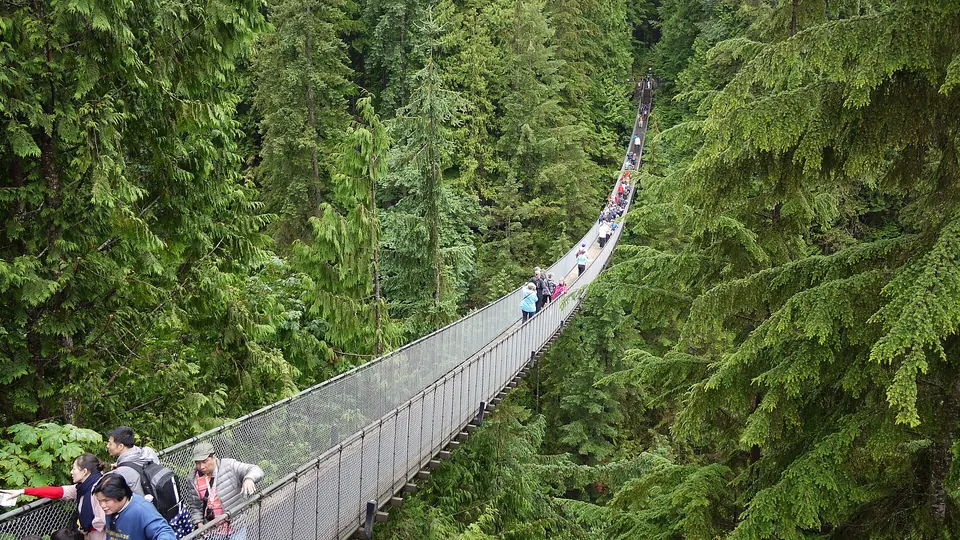
© Markus Säynevirta · CC BY-SA 4.0 Capilano Suspension Bridge
George Grant Mackay strung the first hemp-rope bridge across this canyon in 1889 to reach his cabin; today's 137-metre span sways 70 metres above the river. The cliff walk bolts glass platforms to granite. Go early — by noon the bridge bounces with a thousand footsteps.
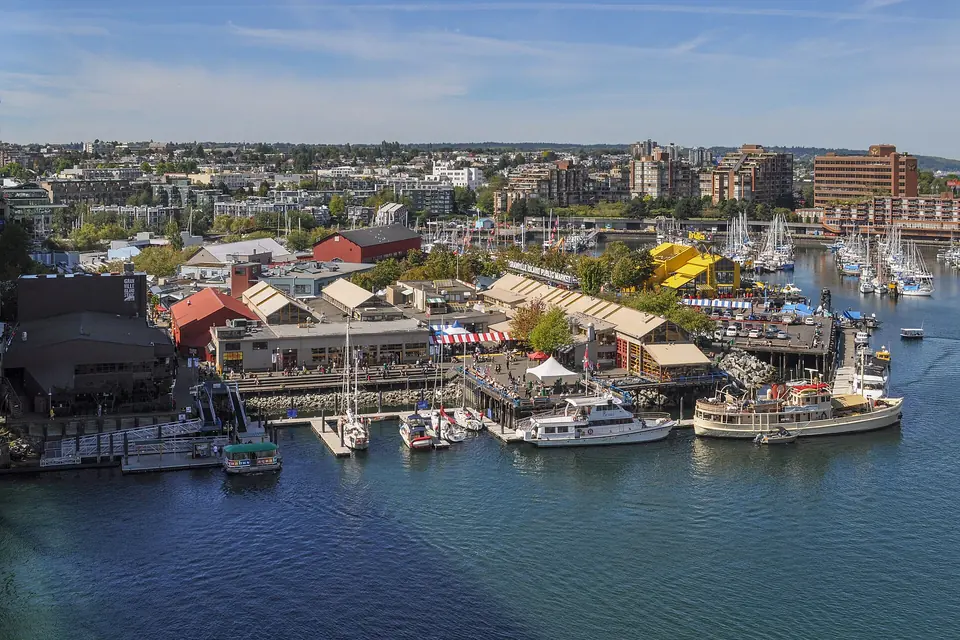
© Joe Mabel · CC BY-SA 3.0 Granville Island
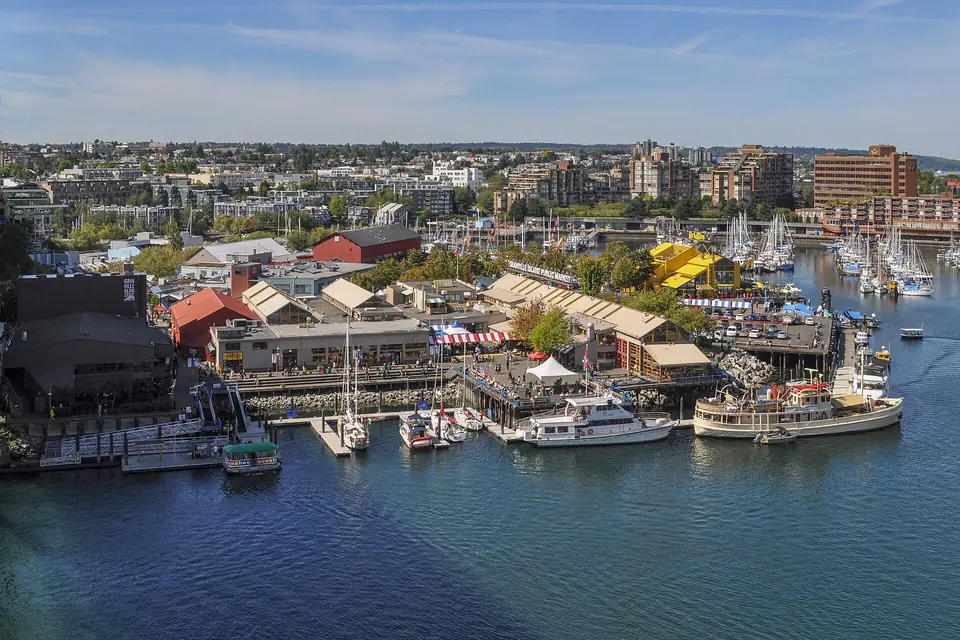
A sandbar of factories and sawmills until the 1970s, remade as a public market in 1979 without losing its corrugated-iron bones. The food hall still sells what the fishing boats land; buskers play the courtyards; the Emily Carr art school's old building anchors the island's working-artist soul.
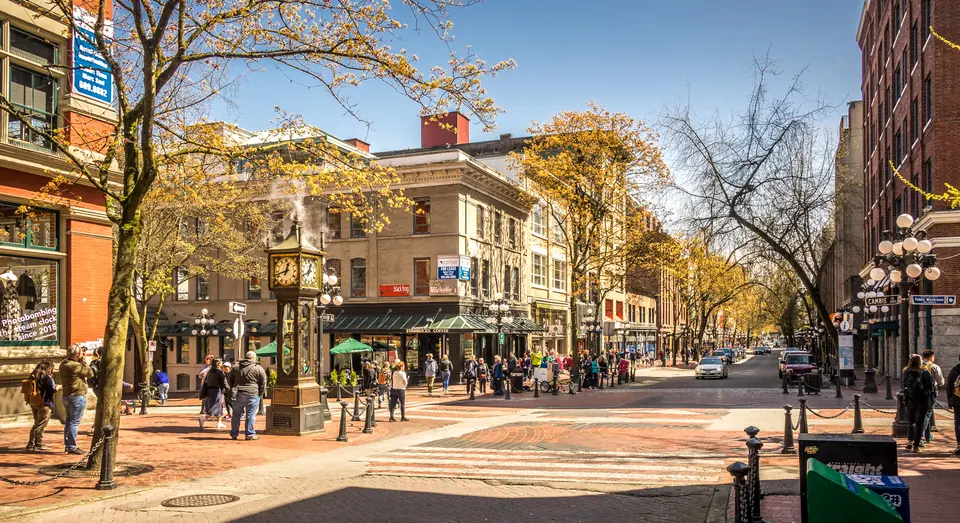
© Lee Coursey from Decatur, GA · CC BY 2.0 Gastown Steam Clock
Built in 1977, not 1877 — a charming fake, and everyone knows it. The world's first steam-powered clock whistles Westminster chimes every fifteen minutes from a lamppost base. It marks the corner where Gassy Jack's saloon started the city, which is history enough.
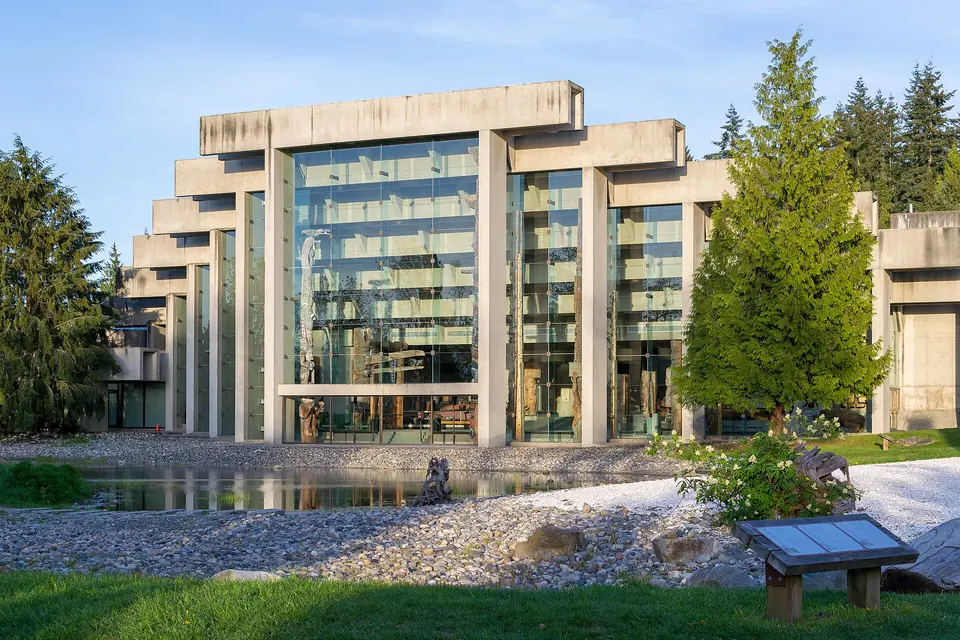
© Xicotencatl · CC BY-SA 4.0 Museum of Anthropology
Arthur Erickson's 1976 concrete-and-glass longhouse at the University of British Columbia holds one of the world's great Indigenous collections. Bill Reid's 'The Raven and the First Men' — a yellow-cedar carving of the trickster prying humans from a clamshell — stops visitors mid-stride.
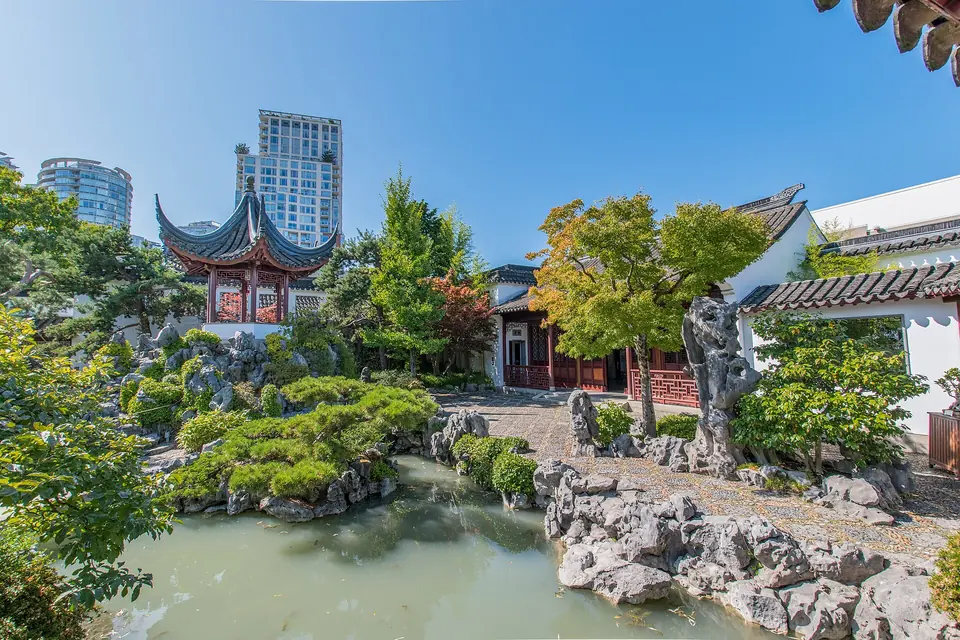
© Ɱ · CC BY-SA 4.0 Dr. Sun Yat-Sen Classical Chinese Garden
Built in 1986 by fifty-two artisans from Suzhou using no nails or screws, this is the first Ming-dynasty-style garden outside China. Every rock was chosen for its character; the asymmetrical courtyards are designed for scholars' contemplation — and for excellent tea.
Official visitor resources
Official tourism boards and visitor bureaus.