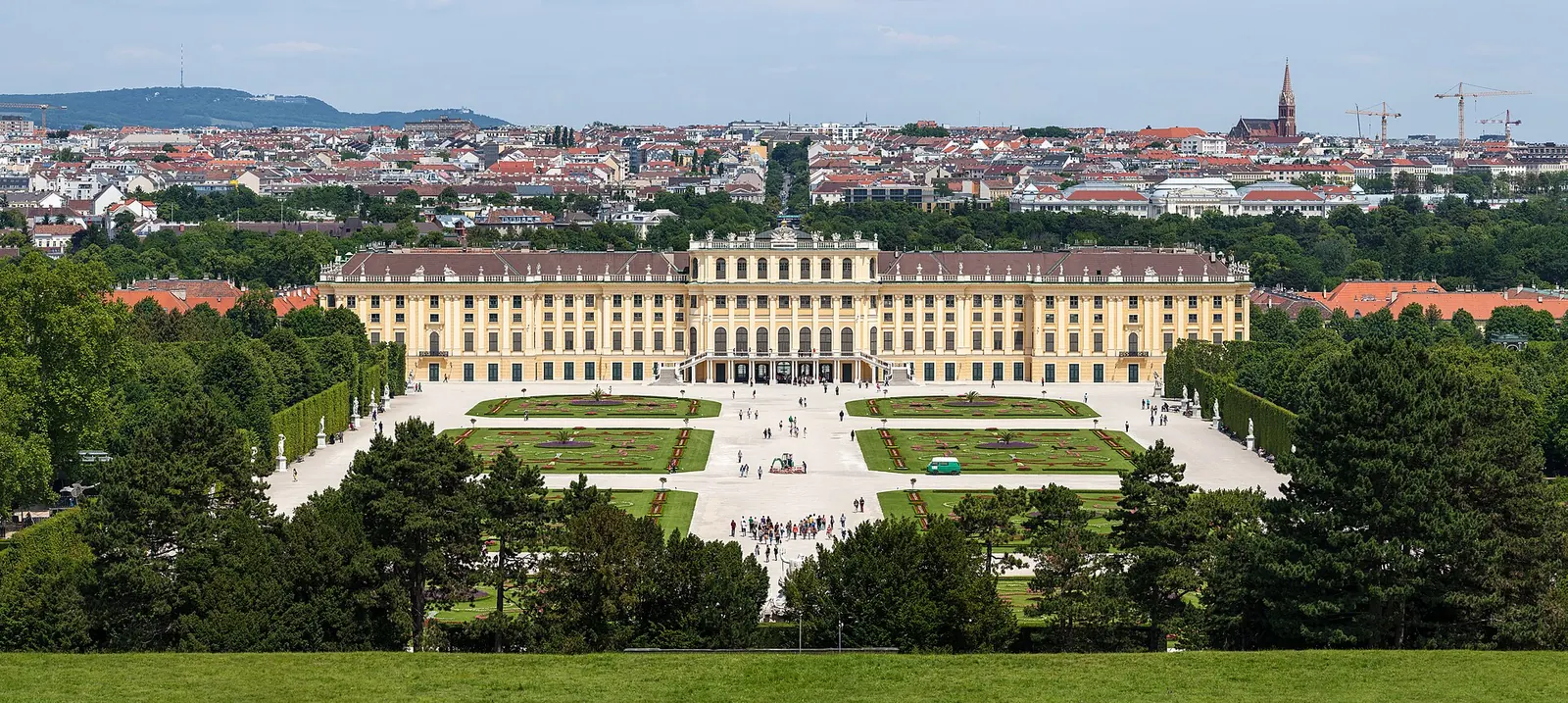
Vienna was the capital of the Habsburg empire and it still looks the part. Tour Schönbrunn Palace, linger for hours in a grand coffee house, catch an opera for a few euros with a standing ticket, and visit a wine tavern in the vineyards at the city's edge.
Good to know
- Best time to go
- April, May, June, September, October and December
- Flight from New York
- about 8h 40m nonstop
- Local time
- —
- Currency
- Euro (EUR)
- Languages
- German
Flight time is an estimate based on distance; actual schedules vary by airline and route.
Highlights
- Schönbrunn and the Hofburg
- Classic Viennese coffee houses
- Opera and concerts
History
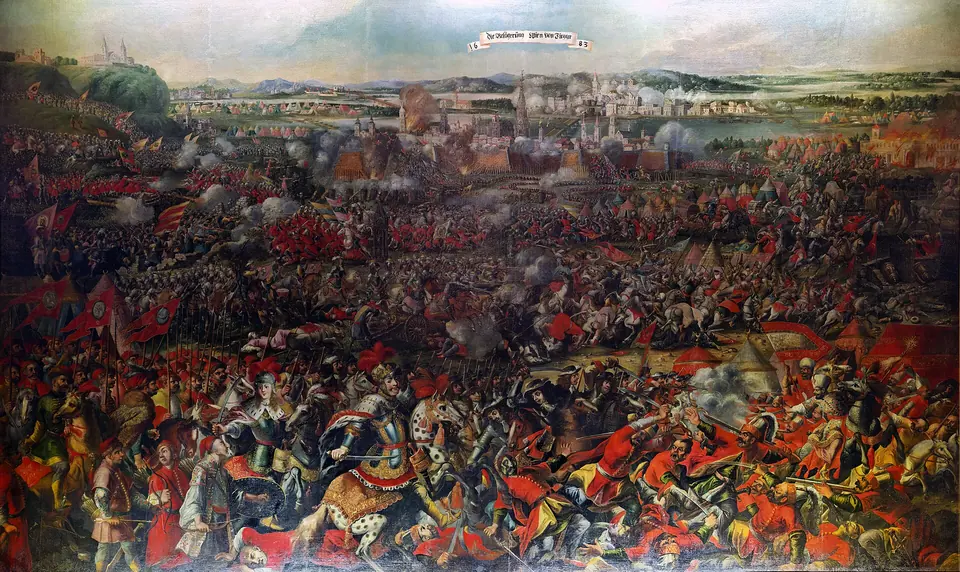
The Romans built a frontier fort called Vindobona here on the Danube. In 1278 the Habsburg family took control, and Vienna became the seat of a dynasty that ruled much of Europe for more than six centuries. The city withstood two Ottoman sieges, in 1529 and 1683; legend says coffee arrived in Vienna with sacks left behind by the retreating army in 1683. In the eighteenth and nineteenth centuries Vienna was the music capital of the world, home to Haydn, Mozart, Beethoven, Schubert and Strauss. Around 1900 it was a hotbed of new ideas, from Freud's psychoanalysis to Klimt's art. After the empire collapsed in 1918, Vienna became the capital of the Republic of Austria, and today it hosts offices of the United Nations.
Culture
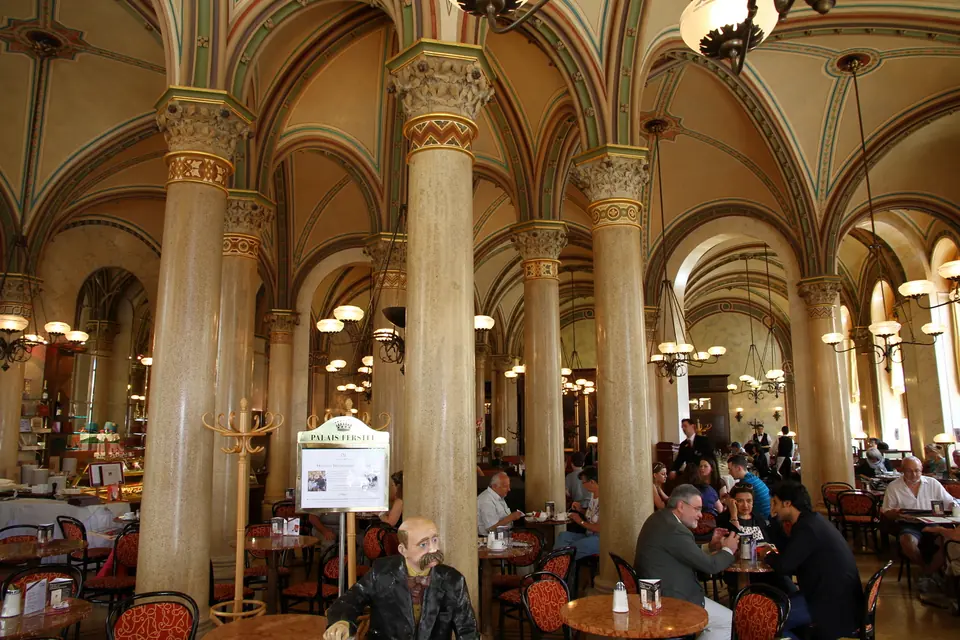
The Viennese coffee house is so important that UNESCO lists it as intangible cultural heritage. Order a melange, and you may sit for hours with newspapers on wooden holders. Food is rich and comforting: wiener schnitzel, tafelspitz (boiled beef), apple strudel and Sachertorte. In the hills, family-run heurigen serve young local wine with cold cuts. Winter brings Christmas markets and ball season, with hundreds of formal balls between New Year's Eve and Lent.
Landmarks
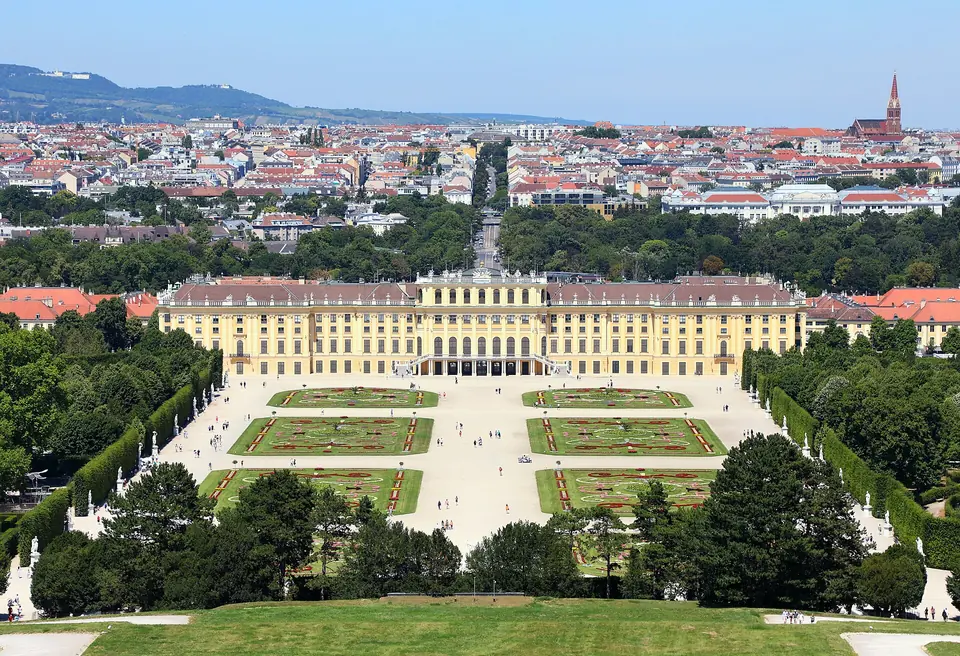
© C.Stadler/Bwag · CC BY-SA 4.0 Schönbrunn Palace
The Habsburgs' summer residence has more than a thousand rooms and vast Baroque gardens with fountains, a maze and the world's oldest zoo, founded in 1752. Climb to the Gloriette for a view over the palace and the city.
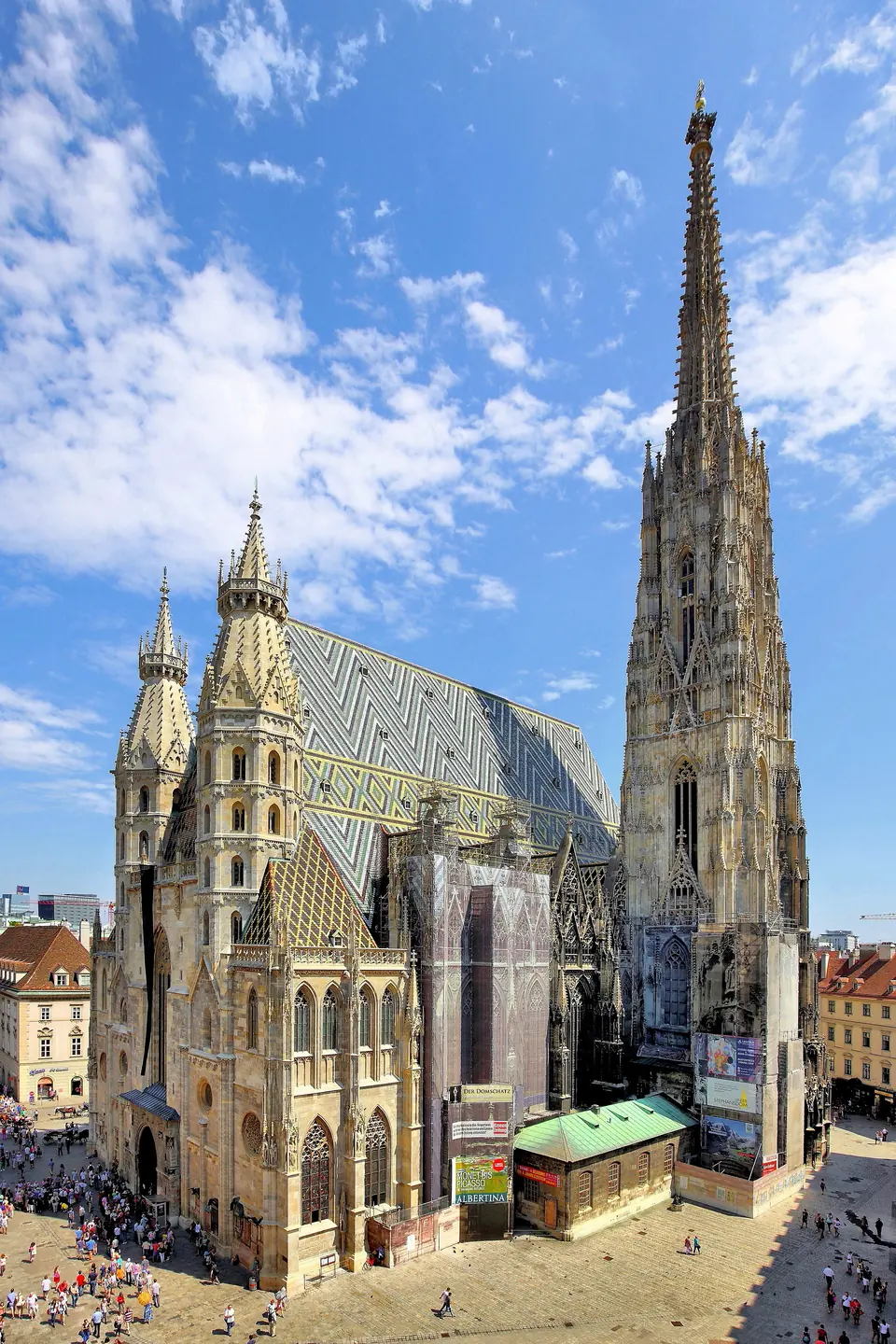
© C.Stadler/Bwag · CC BY-SA 4.0 St Stephen's Cathedral
With its tall Gothic spire and colourful tiled roof, this cathedral is Vienna's symbol. Mozart was married here, and you can climb the south tower or explore the catacombs below.
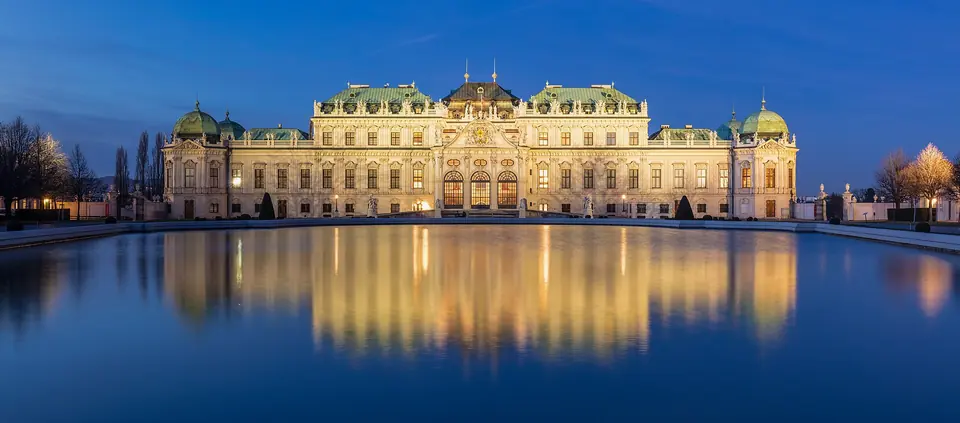
© Diego Delso · CC BY-SA 4.0 Belvedere
Two Baroque palaces facing each other across formal gardens house a major art collection, including Gustav Klimt's The Kiss, the most famous painting of Vienna's golden age.